Divorce Modification Without A Lawyer In Hennepin
Description

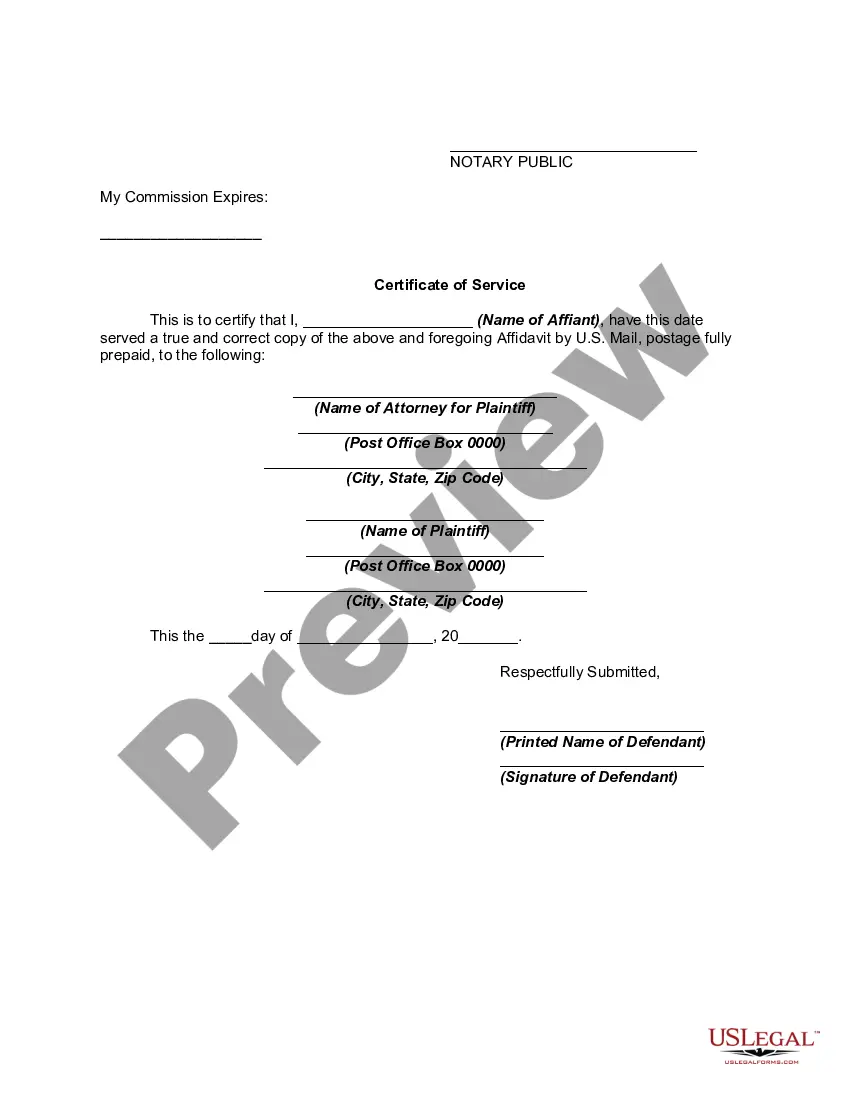




Get your form ready online
Our built-in tools help you complete, sign, share, and store your documents in one place.
Make edits, fill in missing information, and update formatting in US Legal Forms—just like you would in MS Word.
Download a copy, print it, send it by email, or mail it via USPS—whatever works best for your next step.
Sign and collect signatures with our SignNow integration. Send to multiple recipients, set reminders, and more. Go Premium to unlock E-Sign.
If this form requires notarization, complete it online through a secure video call—no need to meet a notary in person or wait for an appointment.
We protect your documents and personal data by following strict security and privacy standards.

Make edits, fill in missing information, and update formatting in US Legal Forms—just like you would in MS Word.

Download a copy, print it, send it by email, or mail it via USPS—whatever works best for your next step.

Sign and collect signatures with our SignNow integration. Send to multiple recipients, set reminders, and more. Go Premium to unlock E-Sign.

If this form requires notarization, complete it online through a secure video call—no need to meet a notary in person or wait for an appointment.

We protect your documents and personal data by following strict security and privacy standards.
Looking for another form?
Form popularity
FAQ
In Minnesota, you may be able to modify your divorce decree if there has been a substantial change in circumstances, such as: A significant increase or decrease in either party's income. A change in the needs of the children. A change in the custodial arrangement.
Minnesota is an equitable distribution state. This does not necessarily mean a 50-50 settlement of everything. But the law presumes that all assets and debts acquired during the marriage will be divided equitably, including: Your house and other real estate.
The court does not require you to have an attorney to get divorced in Minnesota. You are allowed to represent yourself, and if you do, you will be called a “self-represented litigant.” However, every person who appears in court without an attorney is expected to know and follow the law.
Yes, you can amend a marital settlement, with both parties agreeing.
Parenting time and child support, which are also part of a final decree, may also be modifiable. At the time a divorce is finalized by court order, so are visitation and custody agreements.
A divorce decree could be invalid if a judge's decisions were based on incorrect information or if the judge made errors affecting the outcome. If one party concealed assets or debts from the other, that could be grounds for appeal or modification.
To modify a part of a divorce decree, you must show that there has been a change of circumstances that renders the current judgment and decree unjust. In the event of a child custody or parenting time modification, you would need to show that such a modification would be in the best interests of the child.
The court does not require you to have an attorney to get divorced in Minnesota. You are allowed to represent yourself, and if you do, you will be called a “self-represented litigant.” However, every person who appears in court without an attorney is expected to know and follow the law.
