Alimony And Child Support In Ny In Ohio
Description

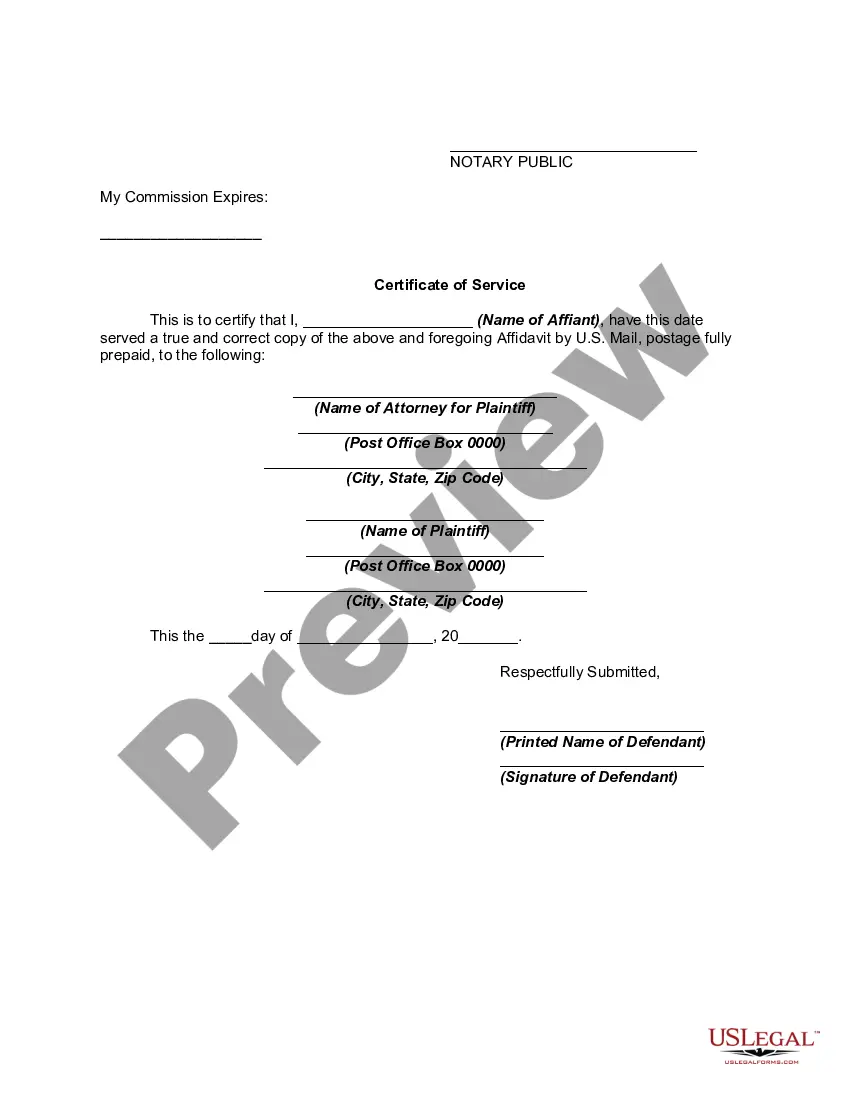




Get your form ready online
Our built-in tools help you complete, sign, share, and store your documents in one place.
Make edits, fill in missing information, and update formatting in US Legal Forms—just like you would in MS Word.
Download a copy, print it, send it by email, or mail it via USPS—whatever works best for your next step.
Sign and collect signatures with our SignNow integration. Send to multiple recipients, set reminders, and more. Go Premium to unlock E-Sign.
If this form requires notarization, complete it online through a secure video call—no need to meet a notary in person or wait for an appointment.
We protect your documents and personal data by following strict security and privacy standards.
Make edits, fill in missing information, and update formatting in US Legal Forms—just like you would in MS Word.
Download a copy, print it, send it by email, or mail it via USPS—whatever works best for your next step.
Sign and collect signatures with our SignNow integration. Send to multiple recipients, set reminders, and more. Go Premium to unlock E-Sign.

If this form requires notarization, complete it online through a secure video call—no need to meet a notary in person or wait for an appointment.
We protect your documents and personal data by following strict security and privacy standards.
Looking for another form?
Form popularity
FAQ
In most cases, if a spouse can work and their former spouse cannot afford to provide spousal support, the court can deny alimony. It is pertinent to note that New York is a no-fault divorce state, meaning both parties could cite fault grounds, however, it will not affect whether a spouse is granted spousal maintenance.
The standard of living each spouse enjoyed during the marriage. The level of education each spouse earned. Any debts or assets each spouse owns. Whether or not either spouse helped the other earn an increased income, receive a professional degree, education or training during the marriage.
A fairly common amount of spousal support is two thirds of equalization. As an example, say spouse #1 has an income of $50,000 per year and that spouse #2 has an income of $14,000 per year. The difference in their incomes is $36,000. One-half of that amount is $18,000 or $1,500 per month to equalize their incomes.
Under equitable distribution, the court will consider several factors when dividing marital property: If you have been married for at least ten years. Both party's assets and liabilities. Both party's incomes and taxes.
The person asking for alimony must show the court that he or she needs financial support, and that the other spouse has the ability to provide financial support.
Ohio state statutes instruct the courts to consider the following factors when determining alimony/spousal support: The duration of the marriage; The current age and health statute of each party; The current and future earning potential of each party; The current and future financial resources of the parties;
Not all divorces qualify for alimony. Courts consider factors like the length of marriage, income disparity between spouses, and ability to be self-sufficient. Generally, the higher-earning spouse supports the lower-earning spouse to maintain their pre-divorce standard of living.
The best way to avoid paying alimony in the event of a divorce is to sign a prenuptial or postnuptial agreement. These agreements, once seen as unromantic, now serve as a strategic way to protect individual assets in case of separation or the need to dissolve the marriage.
In New York, if a marriage lasts a long time and a spouse is old, ill or unable to support themselves, permanent alimony may be awarded.
