Divorce Modification Lawyers Near Me In Palm Beach
Description

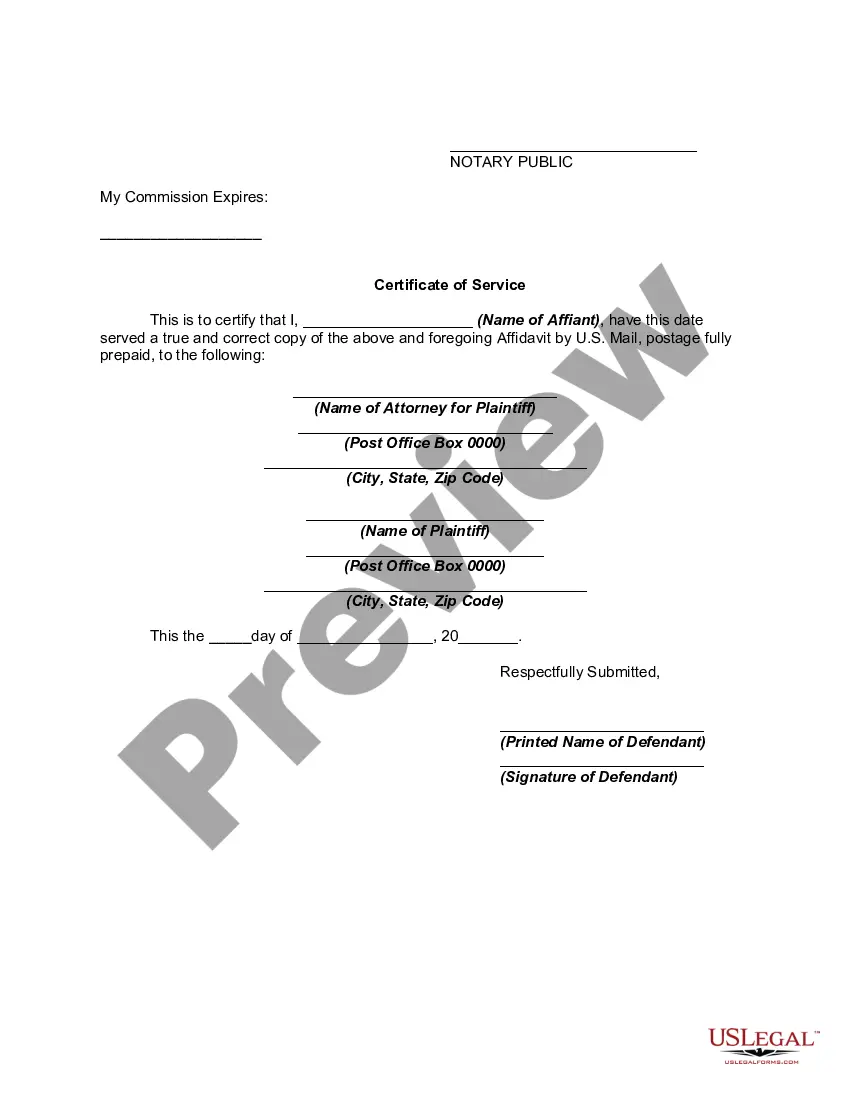




Get your form ready online
Our built-in tools help you complete, sign, share, and store your documents in one place.
Make edits, fill in missing information, and update formatting in US Legal Forms—just like you would in MS Word.
Download a copy, print it, send it by email, or mail it via USPS—whatever works best for your next step.
Sign and collect signatures with our SignNow integration. Send to multiple recipients, set reminders, and more. Go Premium to unlock E-Sign.
If this form requires notarization, complete it online through a secure video call—no need to meet a notary in person or wait for an appointment.
We protect your documents and personal data by following strict security and privacy standards.

Make edits, fill in missing information, and update formatting in US Legal Forms—just like you would in MS Word.

Download a copy, print it, send it by email, or mail it via USPS—whatever works best for your next step.

Sign and collect signatures with our SignNow integration. Send to multiple recipients, set reminders, and more. Go Premium to unlock E-Sign.

If this form requires notarization, complete it online through a secure video call—no need to meet a notary in person or wait for an appointment.

We protect your documents and personal data by following strict security and privacy standards.
Looking for another form?

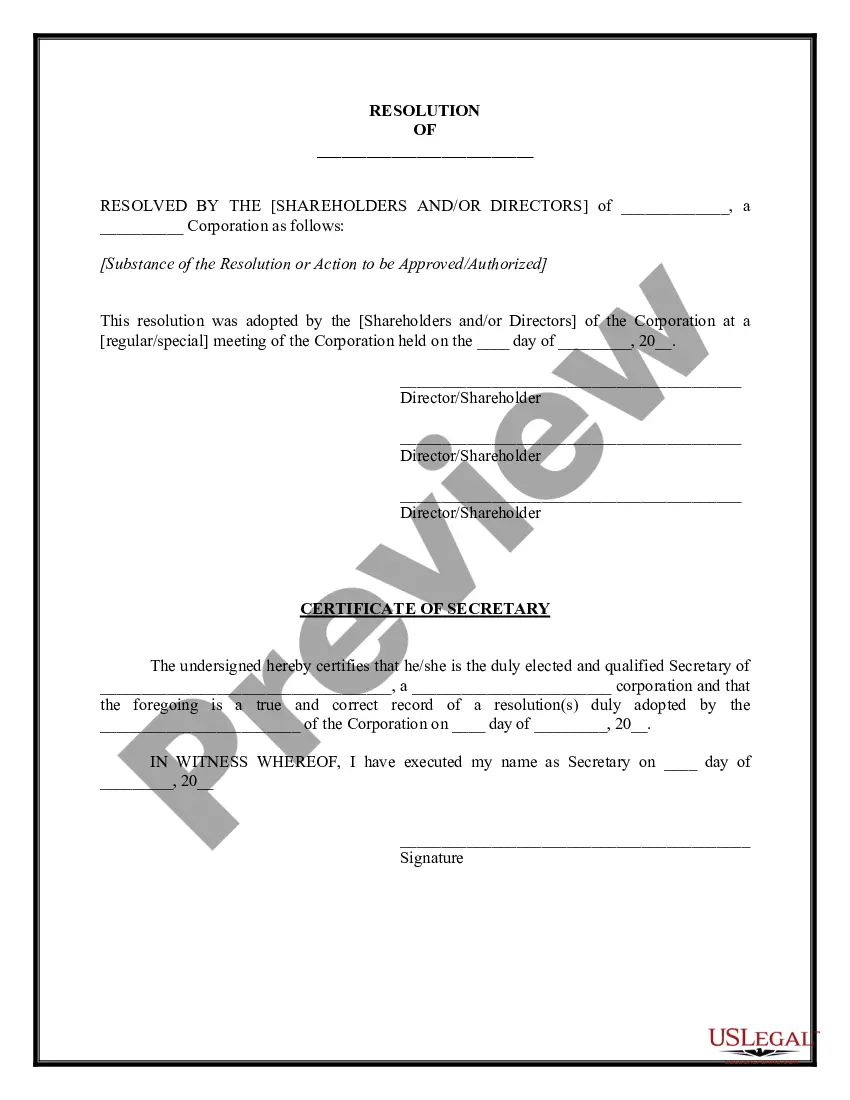
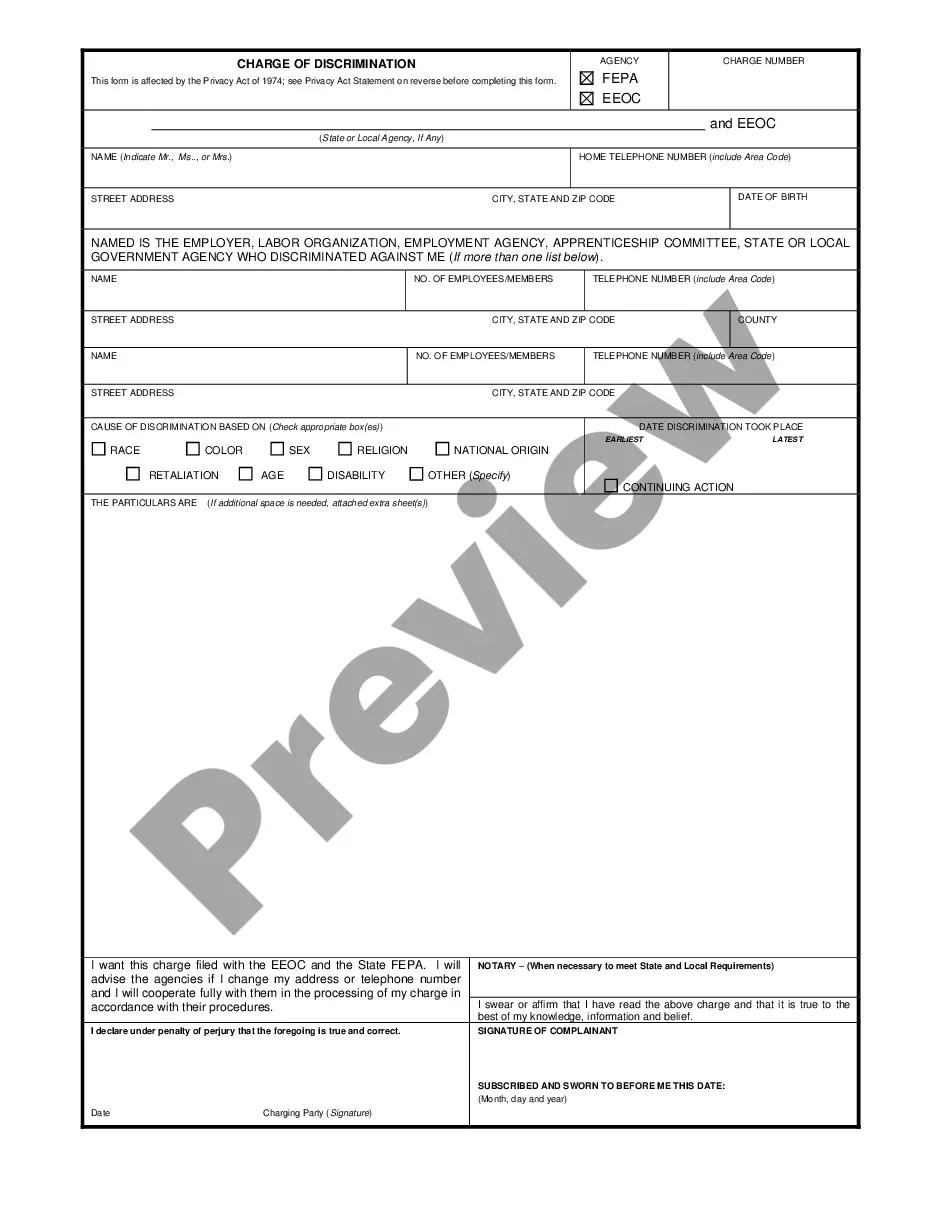

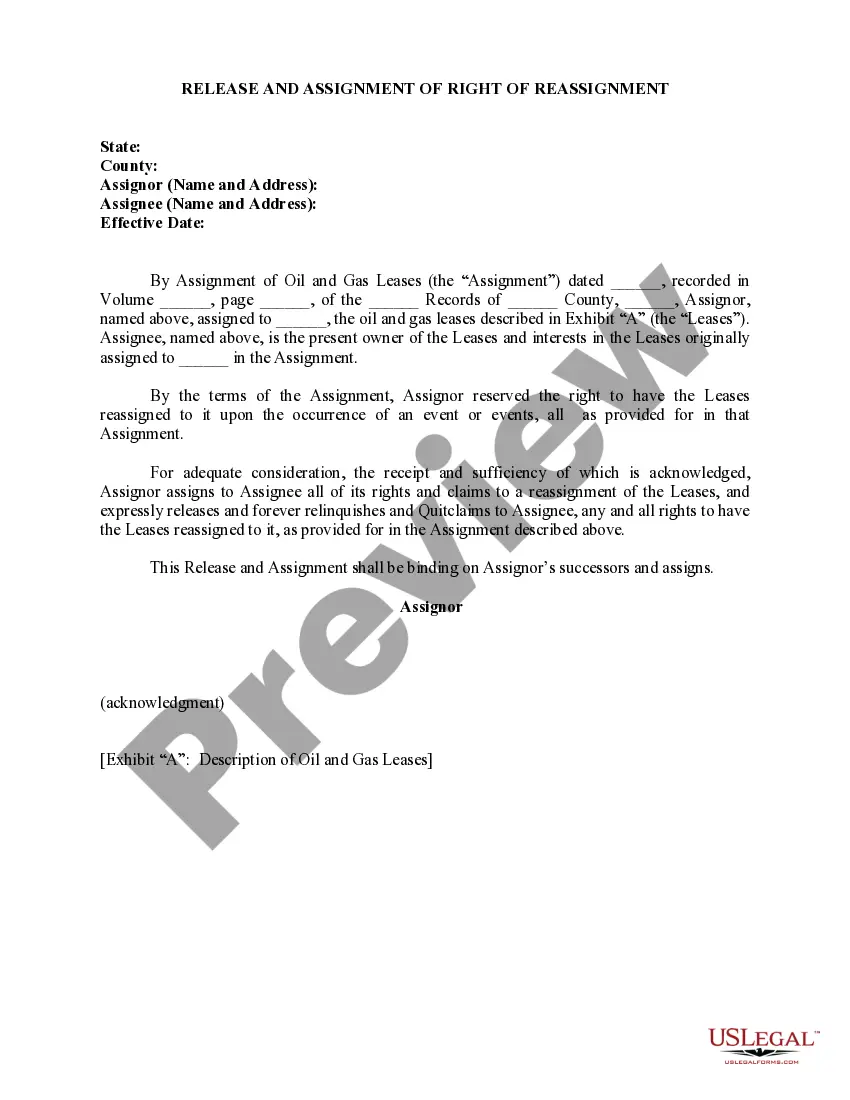
Form popularity
FAQ
Divorce lawyers can be broadly classified into two main categories: 1) Litigating attorneys specialize in high-conflict cases, often involving custody battles and complex disputes. 2) Attorneys who may adopt Collaborative Divorce or Mediation models that promote a more amicable resolution.
If significant circumstances have changed since your divorce, you can file a petition for modifying its terms.
In Florida, there are two ways to modify a divorce decree: reach a mutual agreement with the other party before filing a request, or file the request for modification directly. If the parties can't agree, the process can be lengthy and involve serving the other party, discovery, mediation, and a court hearing.
Lawyers withdraw from cases all the time, and it usually does not impact the judge's perception of the client unless the client has had multiple changes in legal counsel with attorneys that have a good reputation with the court.
Personal Reasons: The attorney may have personal issues, health problems, or changes in their practice that necessitate withdrawal. Inability to Provide Adequate Representation: If the attorney feels they can no longer adequately represent the client due to changes in the case or other circumstances, they may withdraw.
Florida law follows the equitable property division standard for marital property and marital liabilities. During the division of marital assets and marital debts, Florida courts consider the length of the marriage, each spouse's contributions, and economic circumstances, along with other factors.
Nonpayment. Breakdown in communication. Inappropriate behavior; I fired one client who kept propositioning my staff. Asking the attorney to engage in illegal or unethical activity. Client insistence on pursuing a course of action that the attorney cannot support.
Personal Reasons: The attorney may have personal issues, health problems, or changes in their practice that necessitate withdrawal. Inability to Provide Adequate Representation: If the attorney feels they can no longer adequately represent the client due to changes in the case or other circumstances, they may withdraw.
In certain Florida divorces, a wife can pursue over 50% of the marital property. The court evaluates economic circumstances, contributions to the marriage (including non-financial ones), and child welfare, justifying an unequal distribution of assets in favor of one spouse.
In Florida, there are two ways to modify a divorce decree: reach a mutual agreement with the other party before filing a request, or file the request for modification directly. If the parties can't agree, the process can be lengthy and involve serving the other party, discovery, mediation, and a court hearing.
