I Debt To You In Arizona
Description
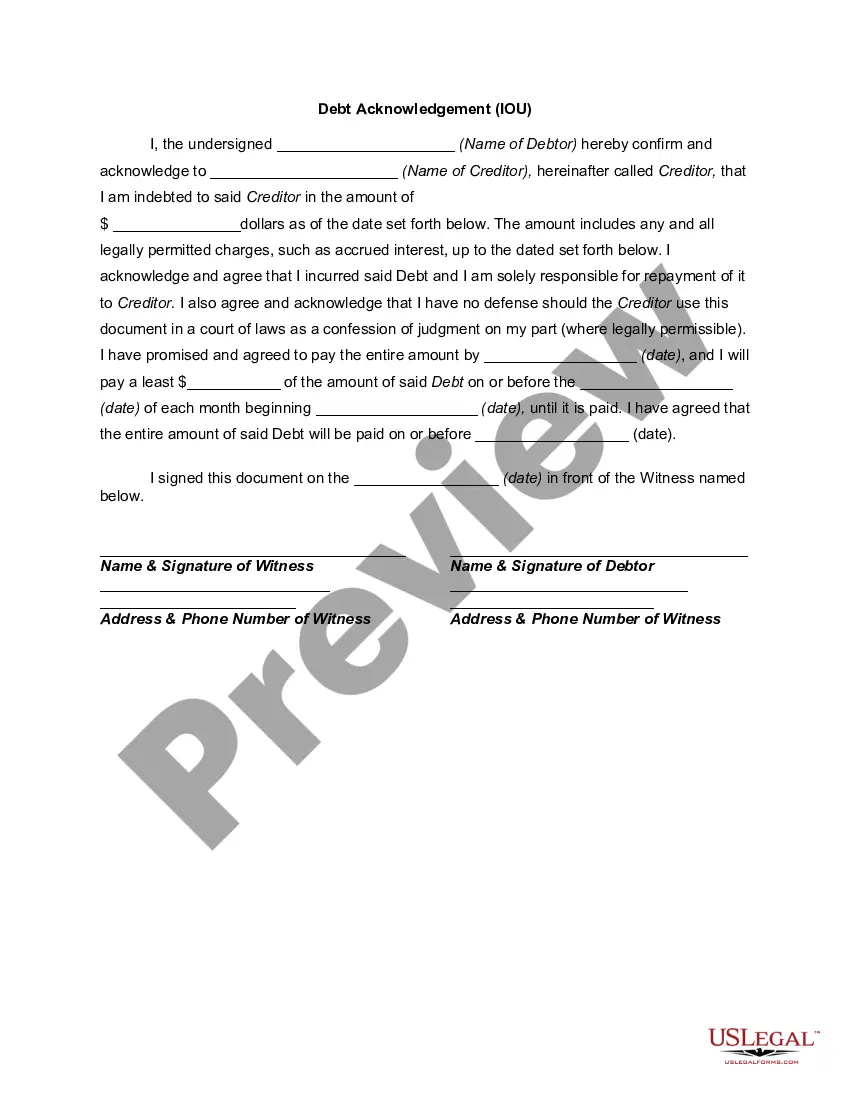
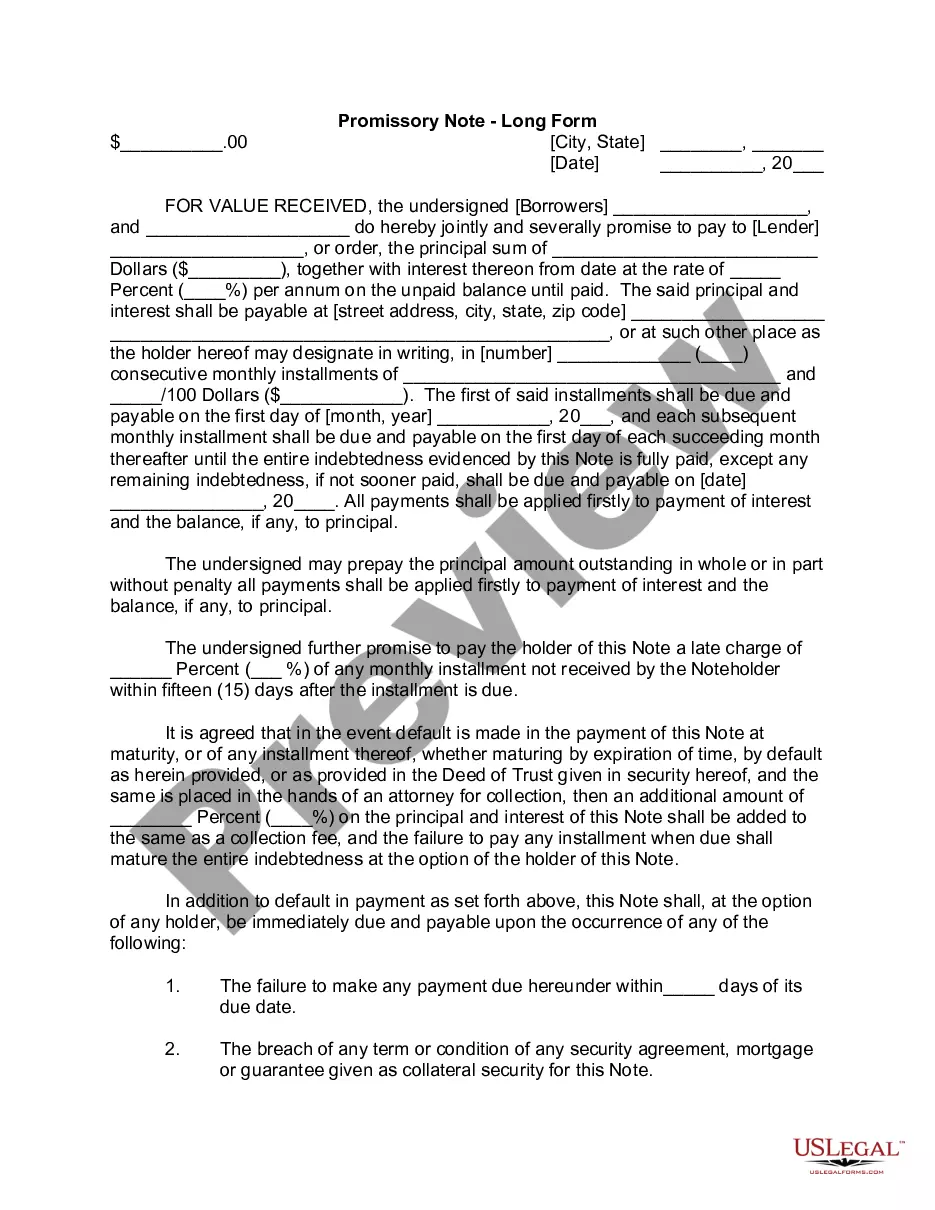
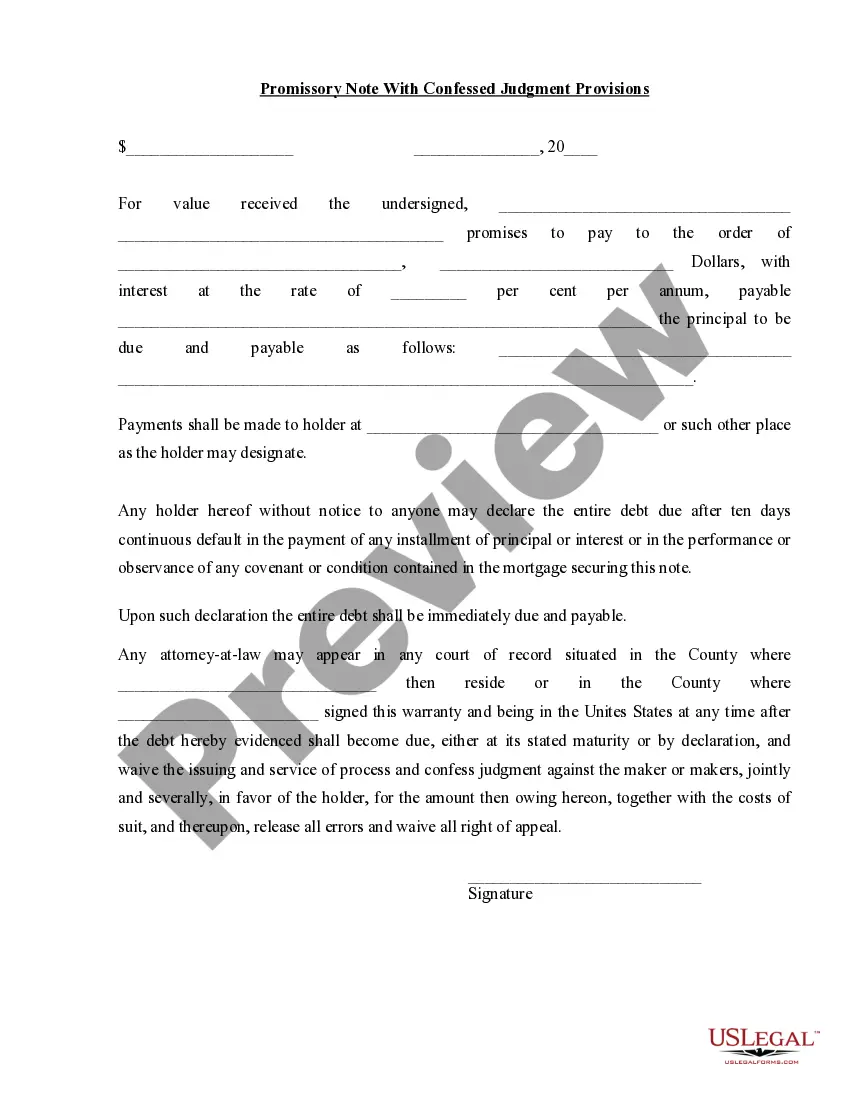
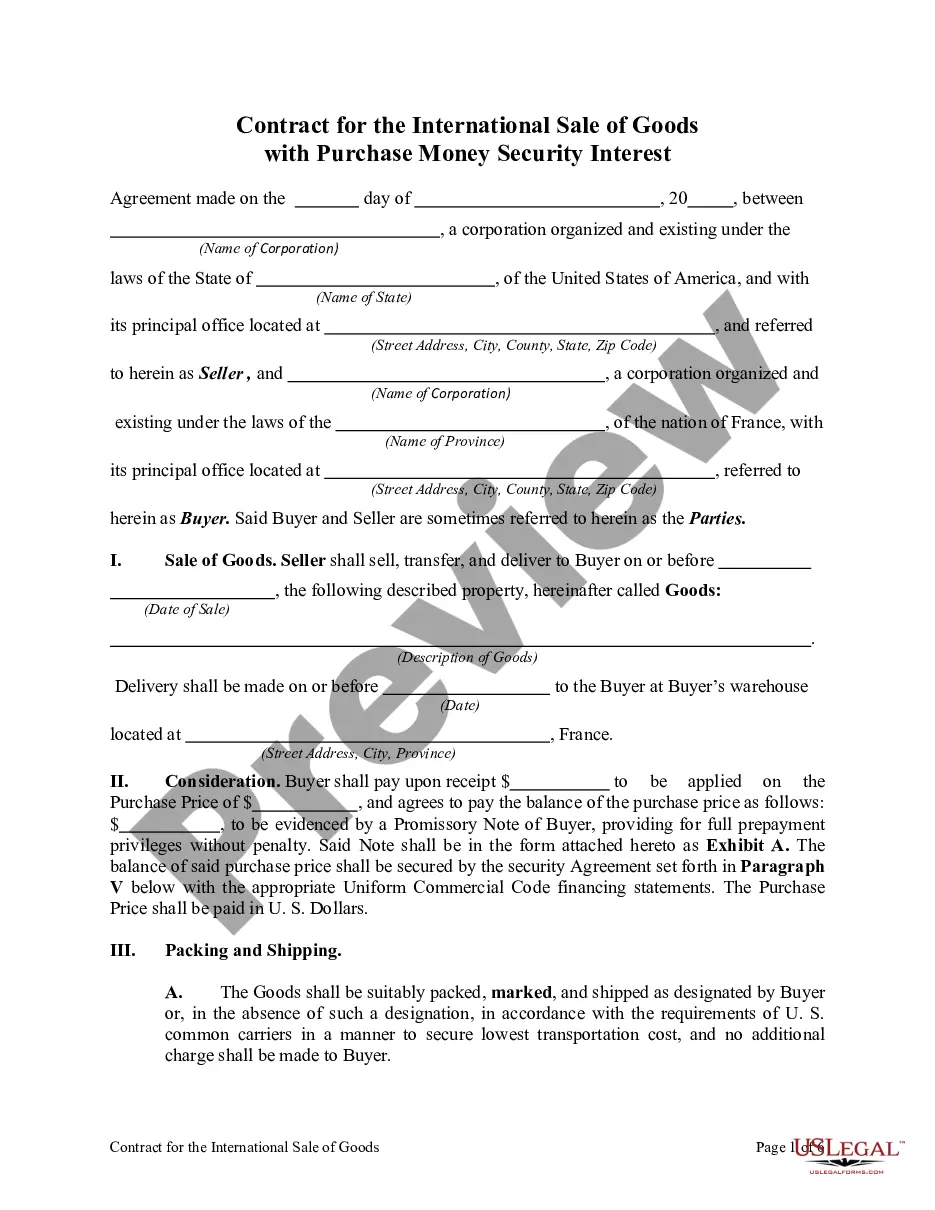
Get your form ready online
Our built-in tools help you complete, sign, share, and store your documents in one place.
Make edits, fill in missing information, and update formatting in US Legal Forms—just like you would in MS Word.
Download a copy, print it, send it by email, or mail it via USPS—whatever works best for your next step.
Sign and collect signatures with our SignNow integration. Send to multiple recipients, set reminders, and more. Go Premium to unlock E-Sign.
If this form requires notarization, complete it online through a secure video call—no need to meet a notary in person or wait for an appointment.
We protect your documents and personal data by following strict security and privacy standards.

Make edits, fill in missing information, and update formatting in US Legal Forms—just like you would in MS Word.

Download a copy, print it, send it by email, or mail it via USPS—whatever works best for your next step.

Sign and collect signatures with our SignNow integration. Send to multiple recipients, set reminders, and more. Go Premium to unlock E-Sign.

If this form requires notarization, complete it online through a secure video call—no need to meet a notary in person or wait for an appointment.

We protect your documents and personal data by following strict security and privacy standards.
Looking for another form?





Form popularity
FAQ
What to Include in a Debt Verification Letter Details about the original creditor. The original loan agreement that proves your obligation to repay. Documentation showing the age of the debt and the original delinquency date. A comprehensive itemization including dates for added fees and interest.
This legal time limit, which varies by state, sets a deadline for creditors to sue you for unpaid debts. In most states, the statute of limitations for collecting on credit card debt is between three and 10 years, but a few states allow for longer periods, extending up to 15 years.
Arizona is a community property state. This means that all property and debts acquired during the marriage will be split evenly if the couple divorces. Property acquired before the marriage, or through gift or inheritance during the marriage, will be considered separate property.
Statute of Limitations in Arizona The statute of limitations for credit card debt is three years. For car loans, mortgages and medical debts it's six years, and for unpaid taxes it's 10 years. The timeframe indicates the amount of time a debt collector has to collect a debt.
To respond you need to: Download or ask the court for a blank answer form. Respond to each of the numbered claims in the complaint. Briefly explain your responses and raise any defenses you have. File your answer with the court and deliver a copy to the person suing you (or their lawyer, if they have one).
Even if a collector violates federal or state law, the debt doesn't disappear. The creditor might still take legal action against you, like filing a lawsuit to collect the debt.
No, you aren't legally responsible for your partner's debt unless you guarantee it or if it is a joint credit card account. Debt entirely in the name of your spouse, you are not responsible for.
Provide Justification: Explain why you believe you qualify for forgiveness. Include any relevant personal circumstances, employment history, or financial hardships. Supporting Documentation: Mention any documents you are including to support your request (eg, proof of employment, income statements).
Separate your debt. Apply for credit in your name only. Establish your own credit record. Open an individual savings and checking account. Contribute to your 401K at work. Open an IRA and have deposits made automatically.

