Reconocimiento De Deuda Formato In Fairfax
Description
Get your form ready online
Our built-in tools help you complete, sign, share, and store your documents in one place.
Make edits, fill in missing information, and update formatting in US Legal Forms—just like you would in MS Word.
Download a copy, print it, send it by email, or mail it via USPS—whatever works best for your next step.
Sign and collect signatures with our SignNow integration. Send to multiple recipients, set reminders, and more. Go Premium to unlock E-Sign.
If this form requires notarization, complete it online through a secure video call—no need to meet a notary in person or wait for an appointment.
We protect your documents and personal data by following strict security and privacy standards.
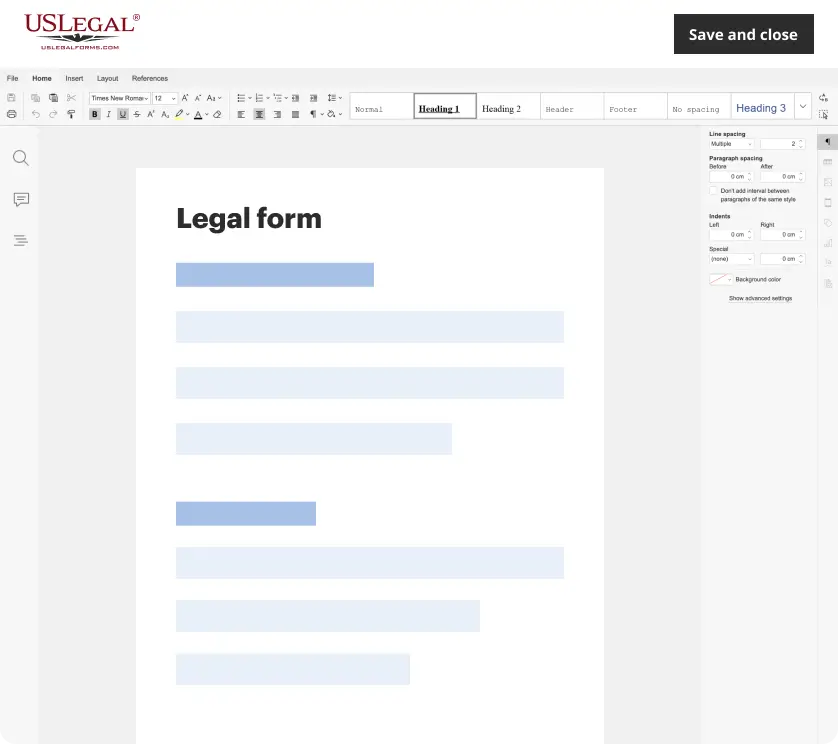
Make edits, fill in missing information, and update formatting in US Legal Forms—just like you would in MS Word.
Download a copy, print it, send it by email, or mail it via USPS—whatever works best for your next step.
Sign and collect signatures with our SignNow integration. Send to multiple recipients, set reminders, and more. Go Premium to unlock E-Sign.

If this form requires notarization, complete it online through a secure video call—no need to meet a notary in person or wait for an appointment.
We protect your documents and personal data by following strict security and privacy standards.
Looking for another form?
Form popularity
FAQ
Visitors may use portable electronic devices for audio phone calls inside the Courthouse common areas. However, these devices may not be used in courtrooms for any purpose unless expressly authorized by the presiding judge.
Portable electronic devices are allowed inside the Fairfax Courthouse, subject to regulations, and may be used only in common areas. Even approved devices may not be used in courtrooms for any purpose, unless expressly authorized by the presiding judge.
Portable Electronic Devices are not allowed in the courthouse. If the court visitor has obtained prior authorization from a judge to bring his or her Portable Electronic Device into the courtroom, such authorization must be presented before going through security.
The reason behind this is an attempt to preserve the defendant's right to a fair trial. Recording devices can cause parties and witnesses to ``play to the cameras'' and distract from the proceedings.
PD Form 23 is used to request an individual's Fairfax County Police criminal history. If you wish, you may print out the request form from this link and complete the portion titled REQUESTOR USE prior to requesting your record in person at the Central Records Office.
The address of the Land Records Division is: Fairfax Circuit Court, 4110 Chain Bridge Road, Suite 317, Fairfax, VA 22030. The telephone number is 703/691-7320 (press 3, then 3). The office is open from a.m. – p.m. Monday through Friday.
Dress Code You should wear comfortable but appropriate attire. For your comfort, be prepared for heating and air conditioning fluctuations in the court rooms and jury rooms.
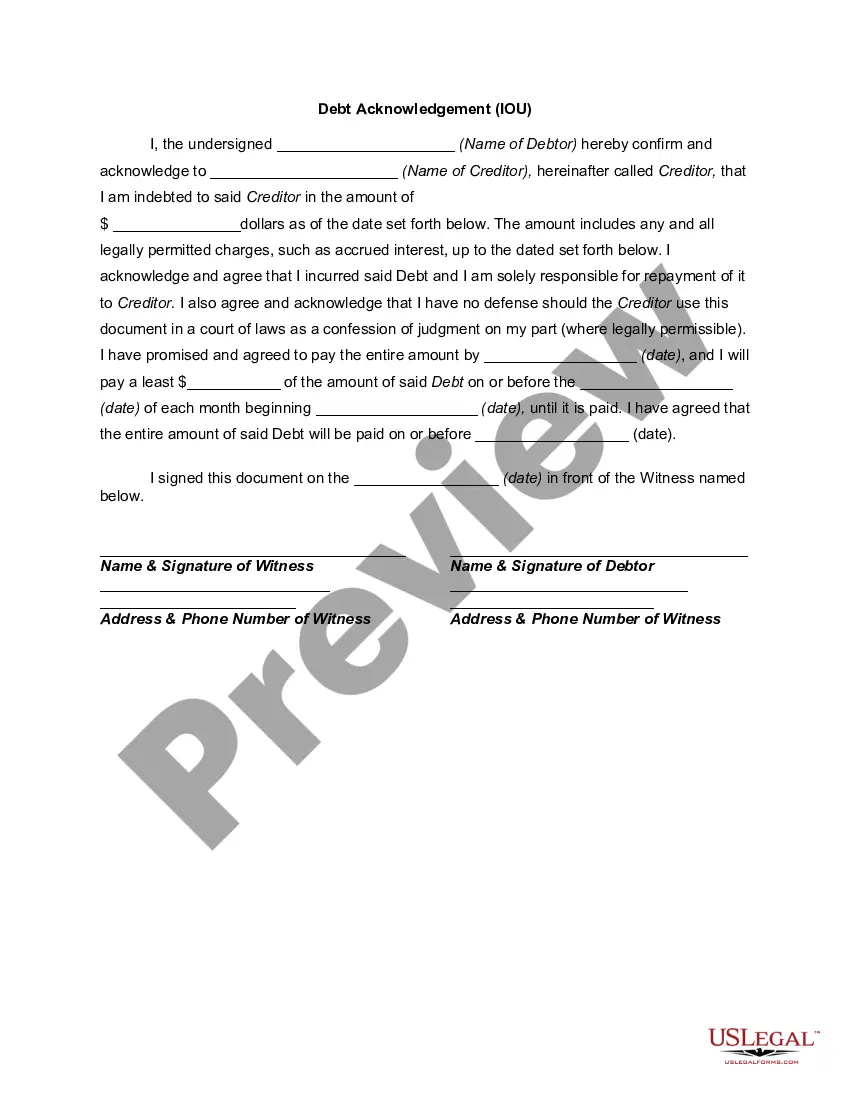
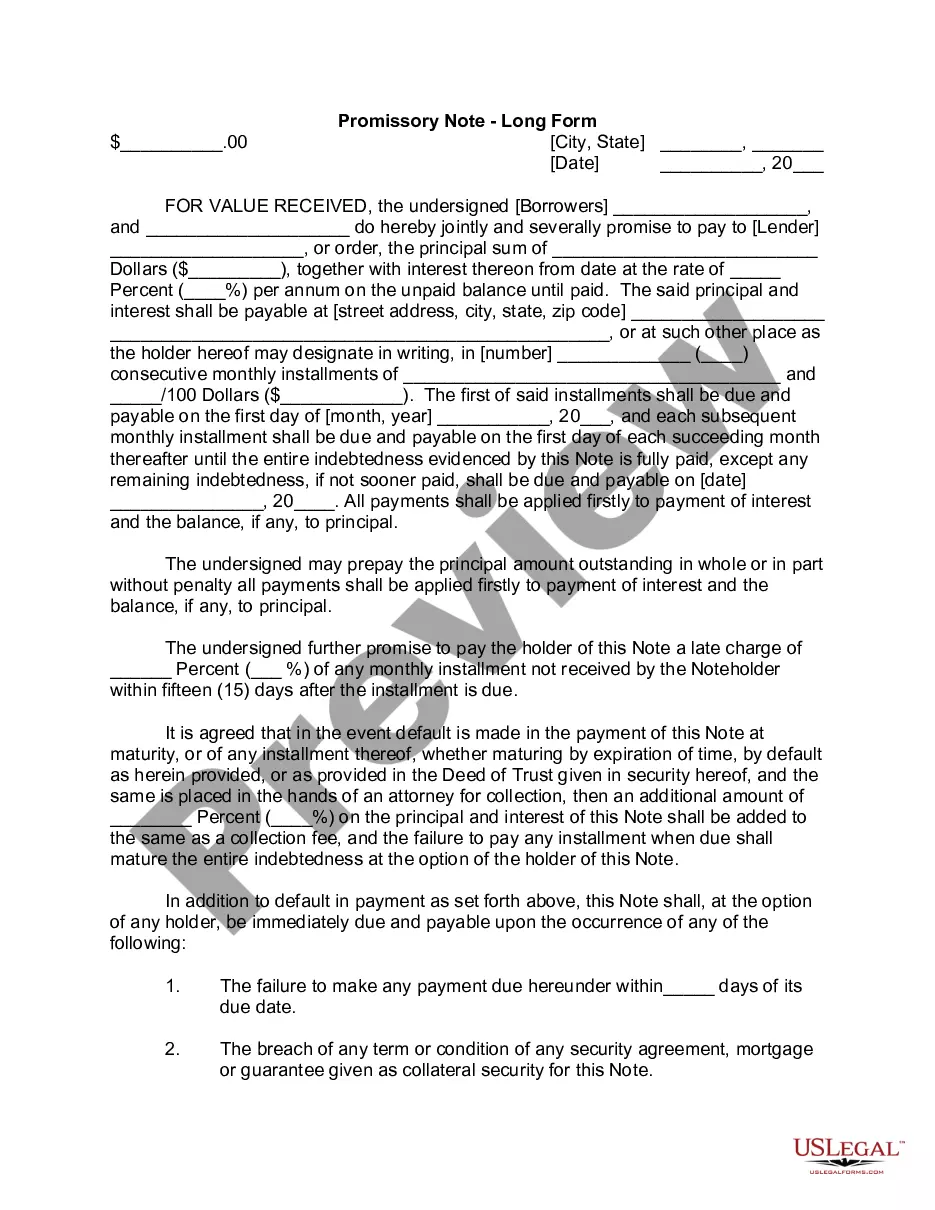
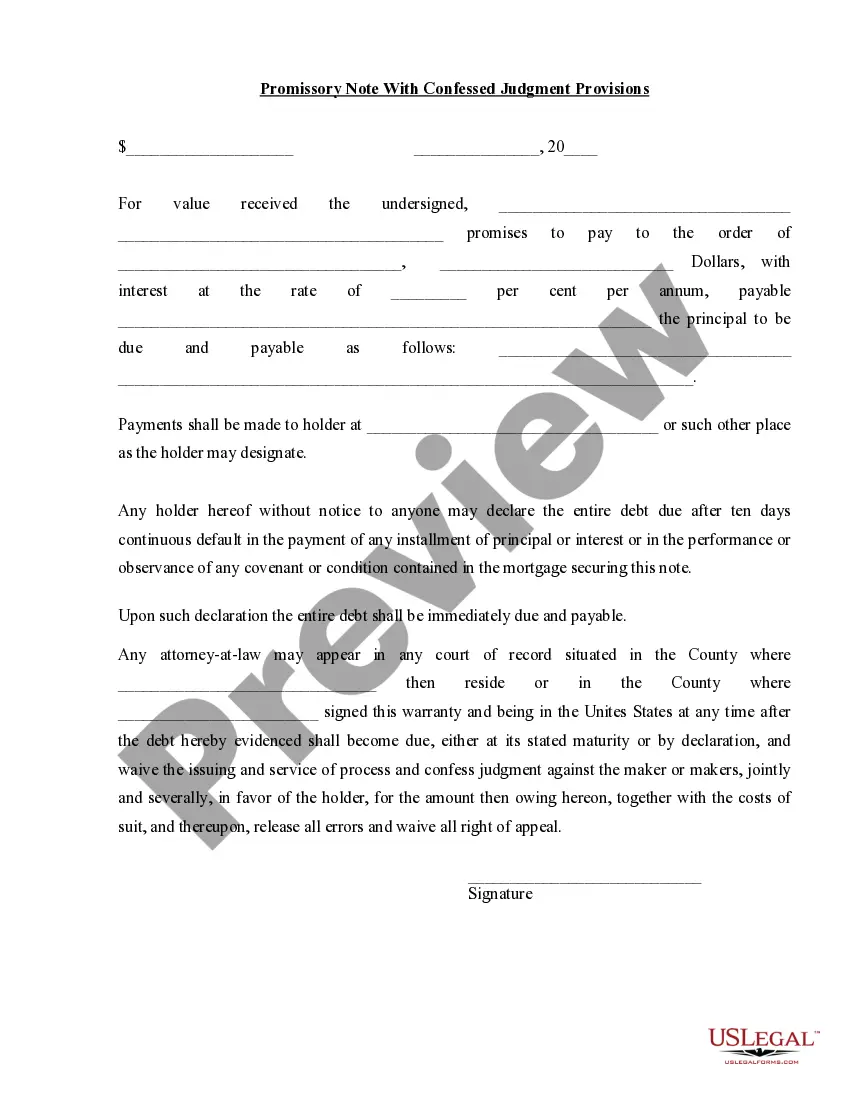
Una definición rápida de deuda contractual simple: Es un acuerdo entre dos partes en el que una le debe a la otra una cantidad específica de dinero . Este tipo de deuda es diferente de otros tipos de deuda, como la deuda garantizada, que está respaldada por una garantía, o la deuda registrada, que se evidencia mediante un registro judicial.
El reconocimiento de deuda es un acto jurídico mediante el cual una persona (el deudor) admite formalmente que debe una cantidad determinada de dinero a otra persona (el acreedor). Este reconocimiento puede realizarse de forma escrita en un documento privado o mediante escritura pública ante notario.
¿Puede oponerse el deudor al reconocimiento de deuda? La persona deudora puede oponerse al abono del crédito al acreedor si aporta las suficientes pruebas que demuestren lo siguiente: El pago de la deuda ya se ha realizado previamente. La obligación original del contrato no existe o tiene posibilidad de anulación.

