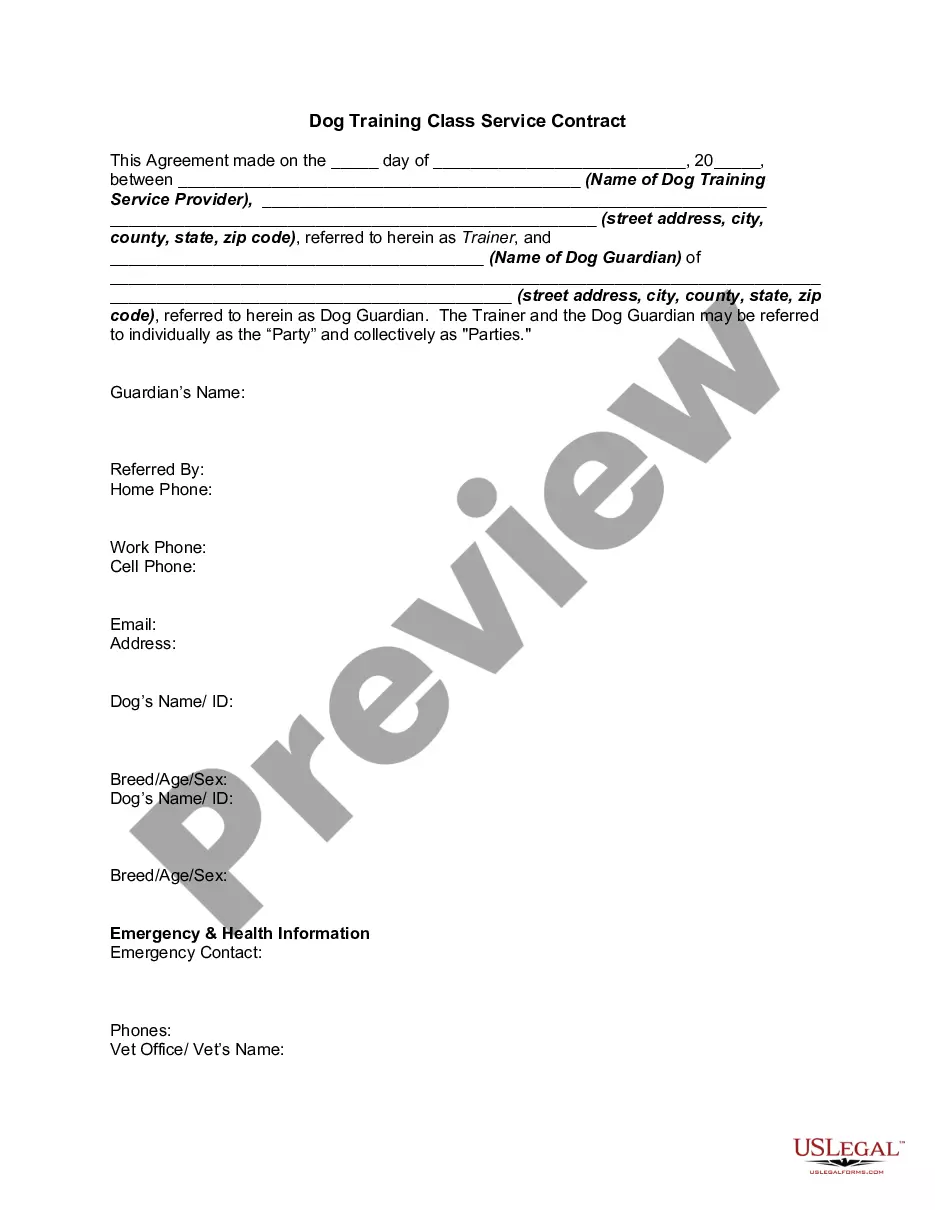
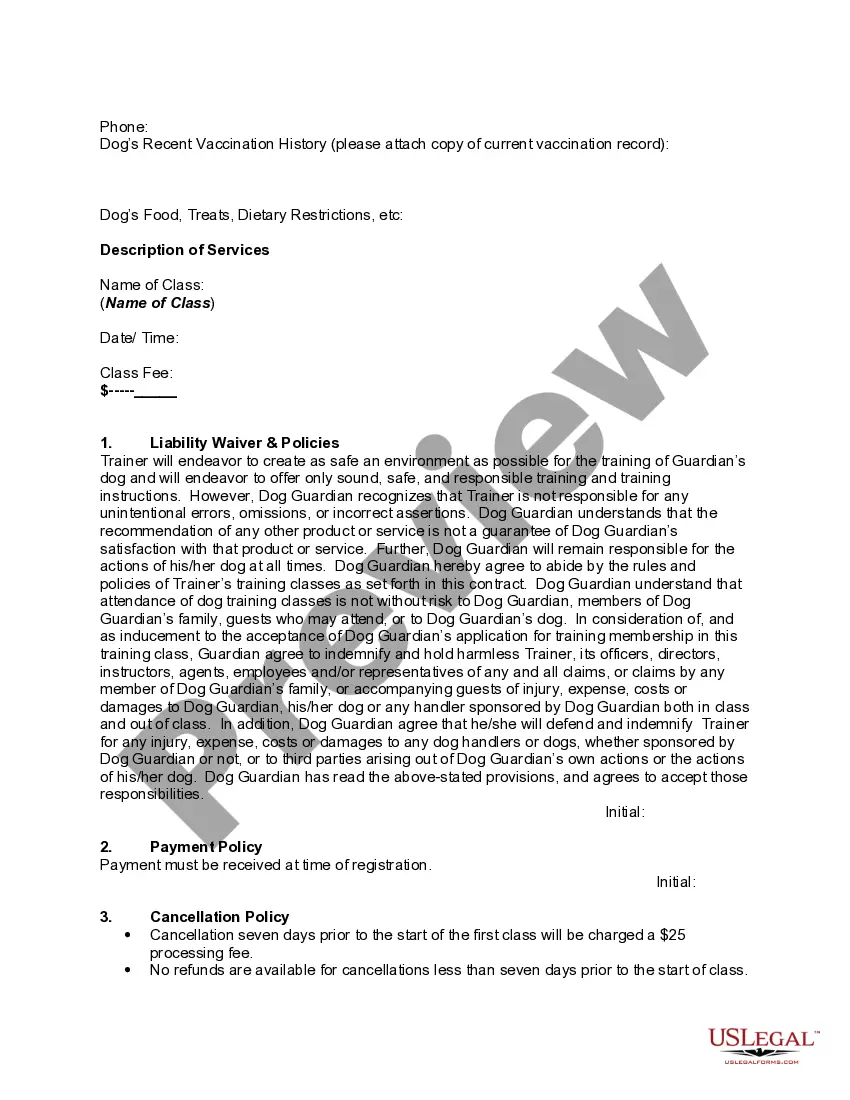
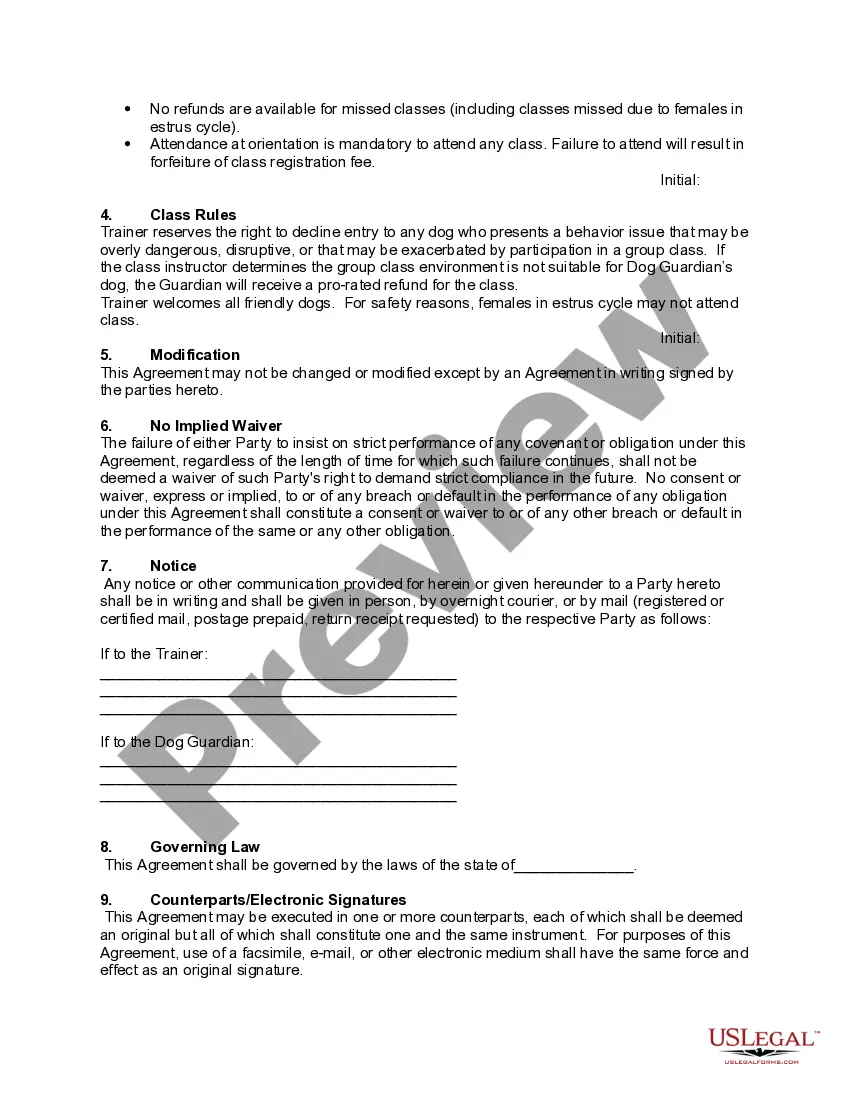
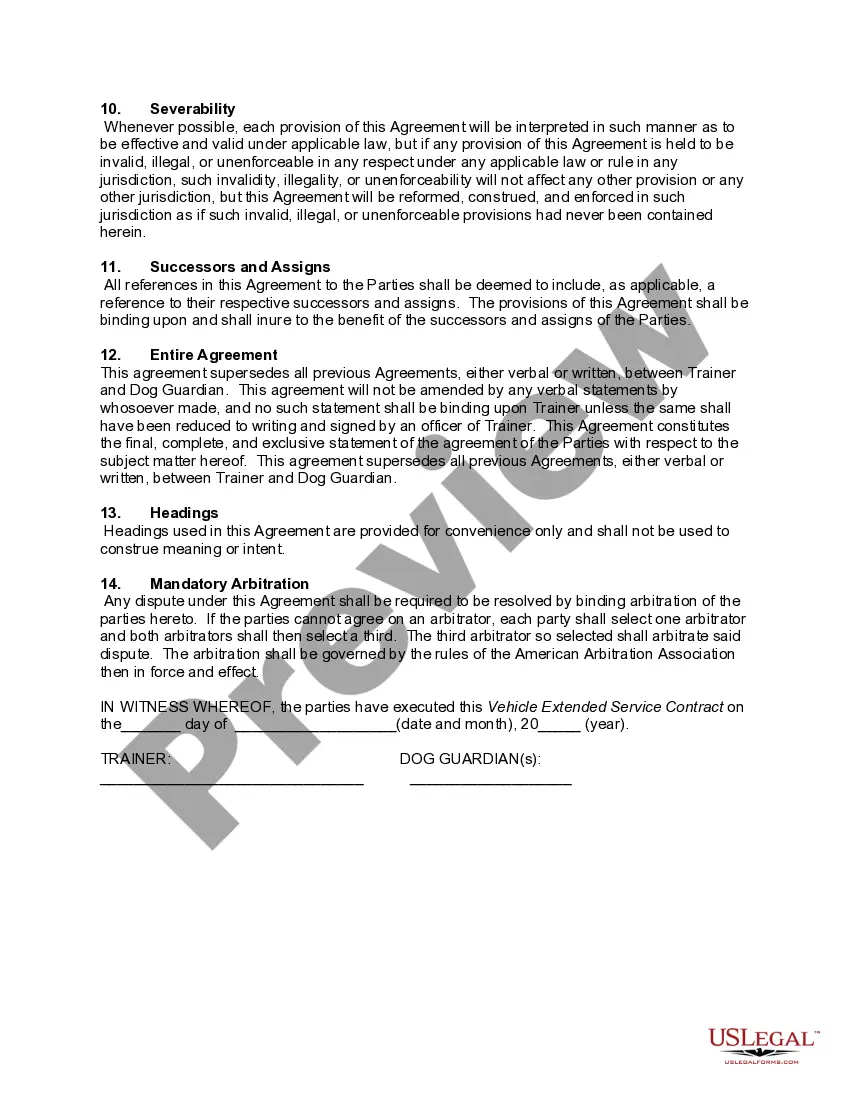
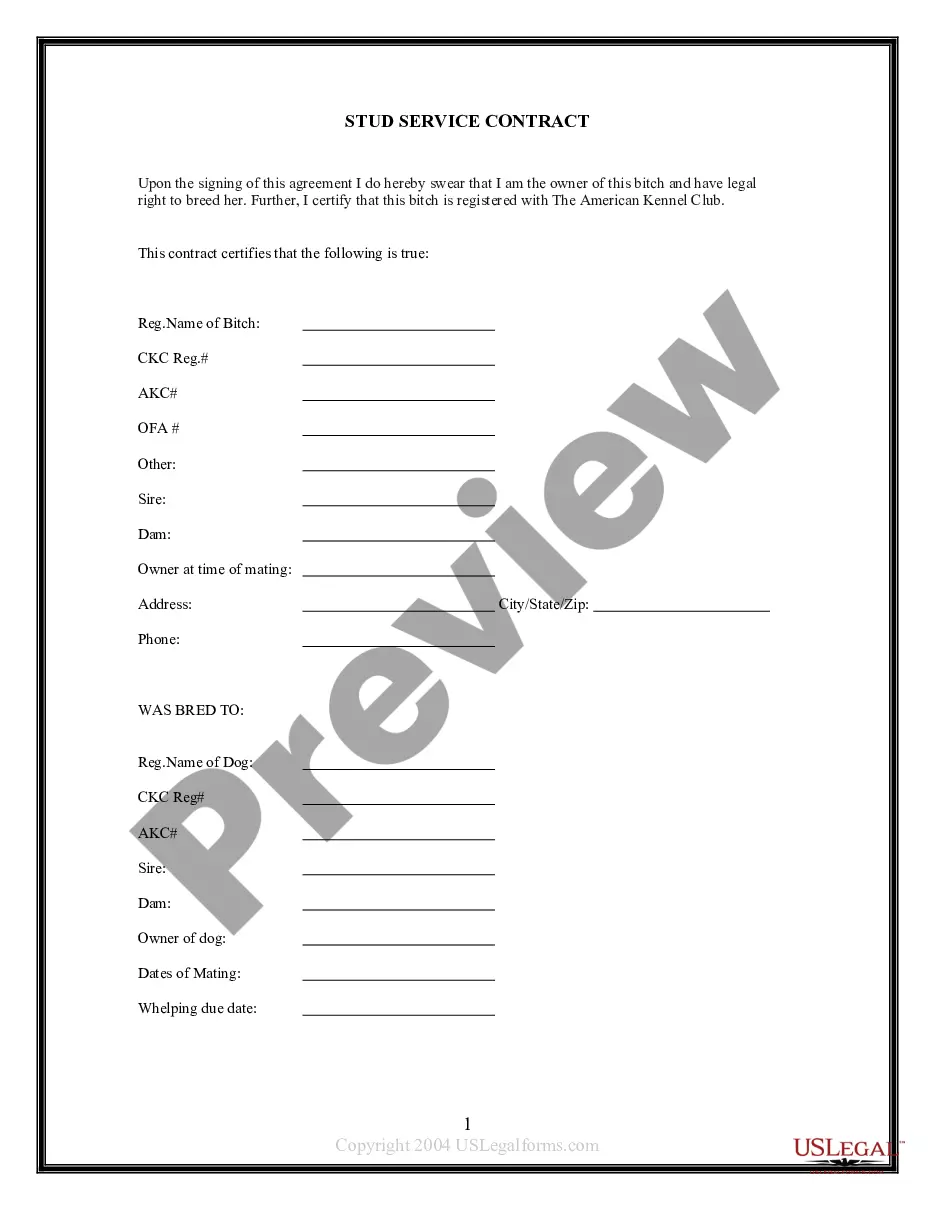
Dog Contract Agreement For Sale In Bronx
Description
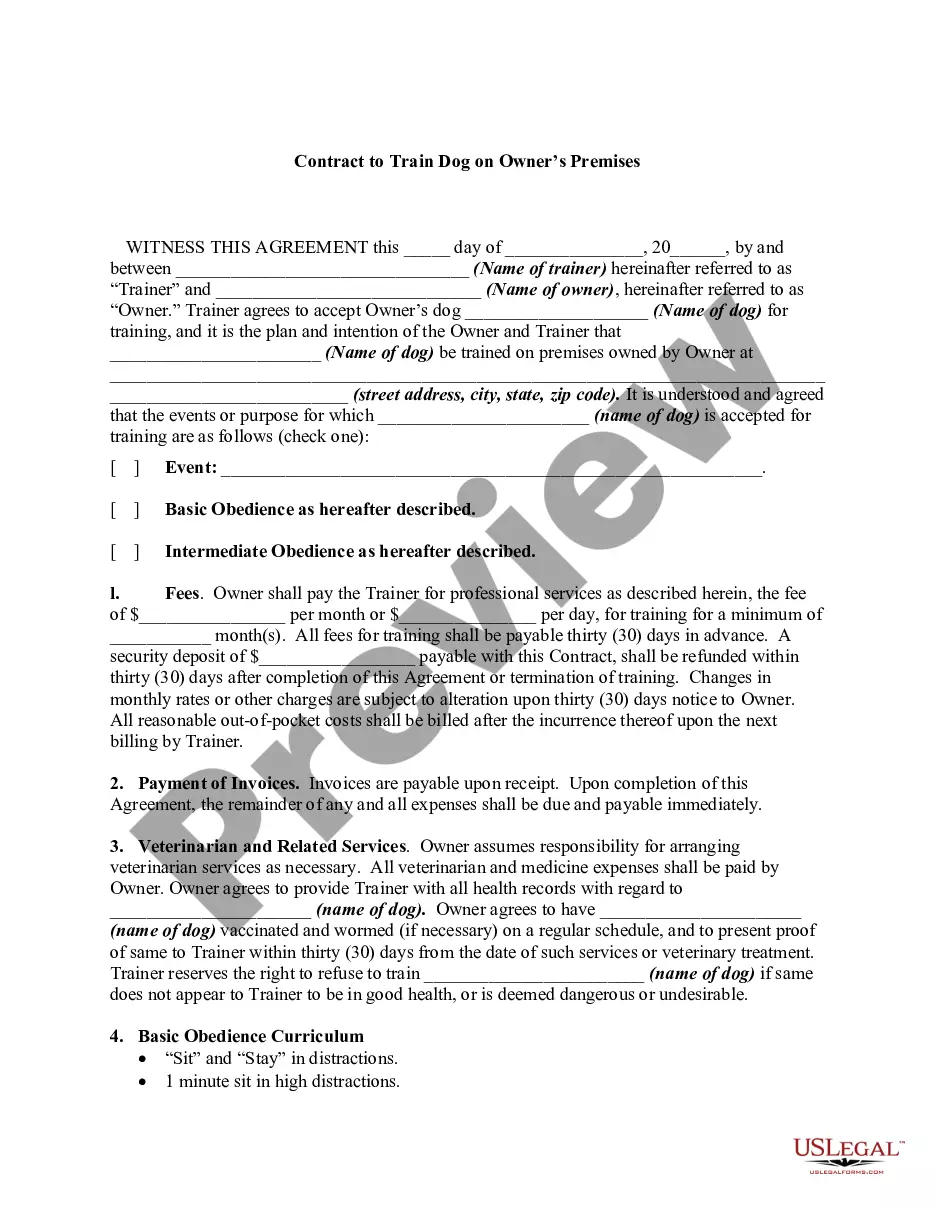
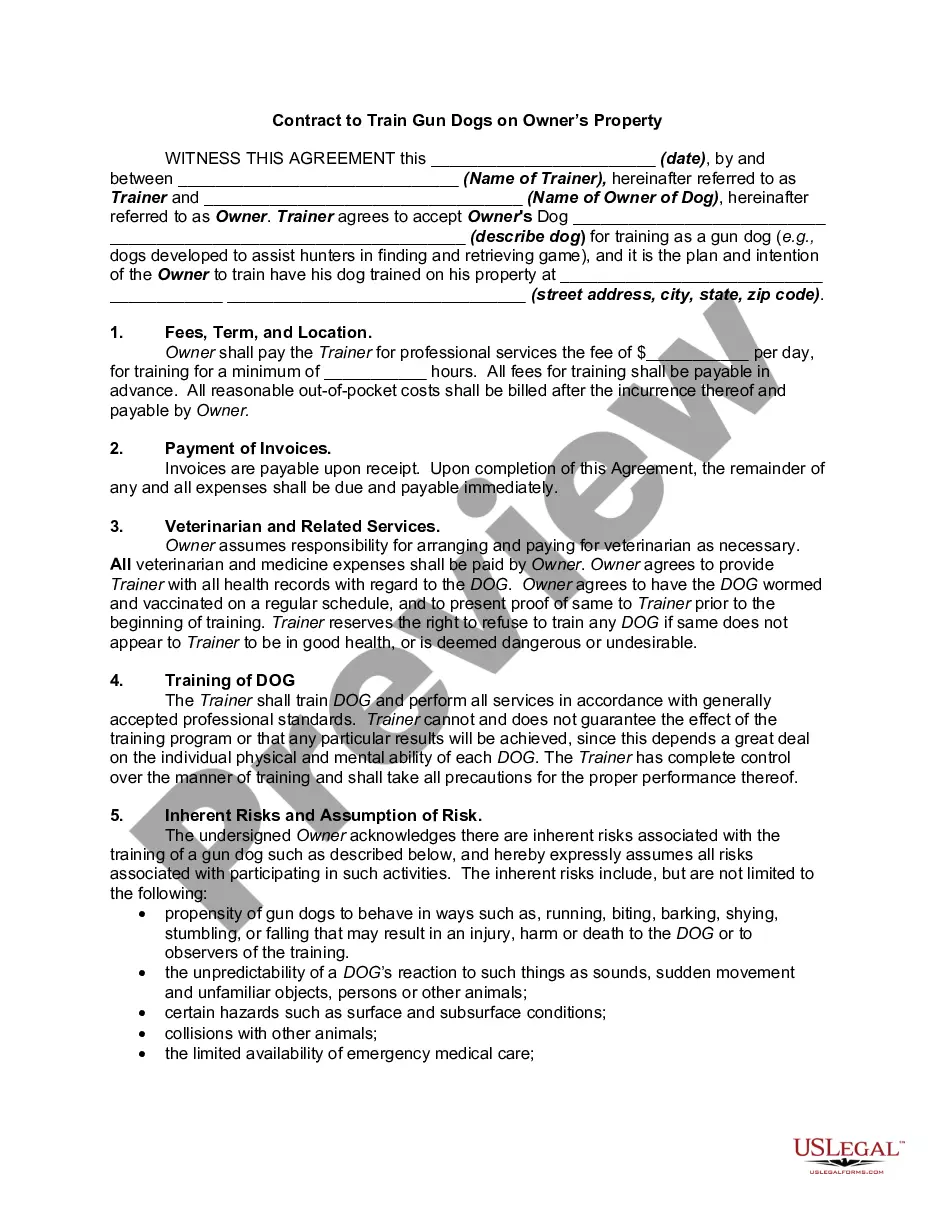
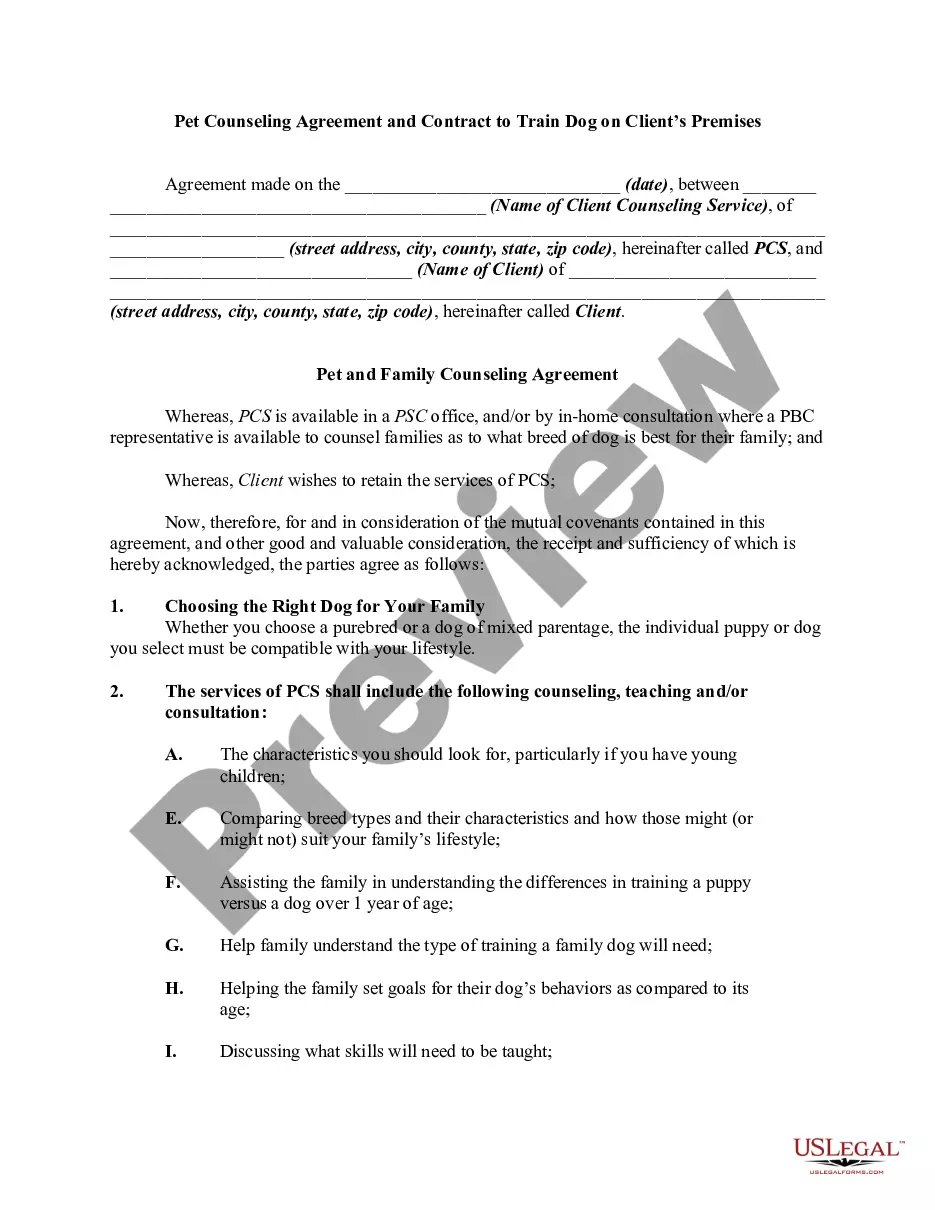
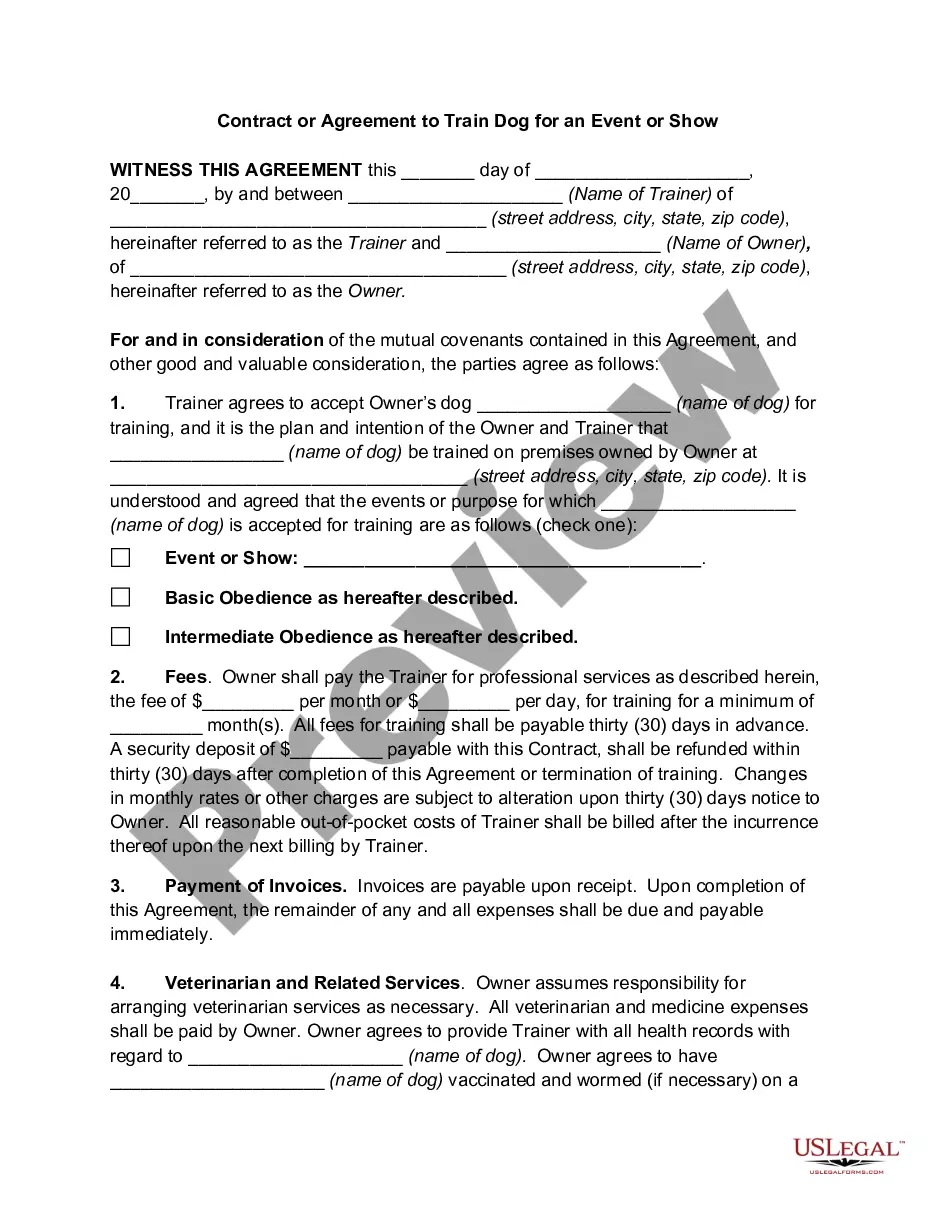
Get your form ready online
Our built-in tools help you complete, sign, share, and store your documents in one place.
Make edits, fill in missing information, and update formatting in US Legal Forms—just like you would in MS Word.
Download a copy, print it, send it by email, or mail it via USPS—whatever works best for your next step.
Sign and collect signatures with our SignNow integration. Send to multiple recipients, set reminders, and more. Go Premium to unlock E-Sign.
If this form requires notarization, complete it online through a secure video call—no need to meet a notary in person or wait for an appointment.
We protect your documents and personal data by following strict security and privacy standards.
Make edits, fill in missing information, and update formatting in US Legal Forms—just like you would in MS Word.
Download a copy, print it, send it by email, or mail it via USPS—whatever works best for your next step.
Sign and collect signatures with our SignNow integration. Send to multiple recipients, set reminders, and more. Go Premium to unlock E-Sign.

If this form requires notarization, complete it online through a secure video call—no need to meet a notary in person or wait for an appointment.
We protect your documents and personal data by following strict security and privacy standards.
Looking for another form?
Form popularity
FAQ
A dog bill of sale is similar to a receipt, but it includes more details, so that it is legally enforceable proof you bought your specific dog or puppy and are the owner, whereas a receipt would not identify the animal as clearly. A dog bill of sale should include: Names and addresses of the buyer and seller.
Puppies can typically be sold once they are at least 8 weeks old, as this allows them to socialize with their littermates and begin their weaning process. However, some breeders prefer to wait until the puppies are a bit older for additional socialization and health considerations.
Yes. Any reputable breeder will absolutely have a contract. It will state things like the dog must be returned to them rather than being rehomed, health guarantees, when puppies can go home, spay/neuter requirements, etc.
The contract should include information on the dog's health, vaccination history, and any microchip information. It should also specify what is included in the sale (such as food, toys, and veterinary care). Most importantly, it should state what will happen if the dog is ever returned to the breeder.
The exact time that is best for a puppy to go to its new home can vary by situation, but most breeders and veterinarians agree that 8 weeks of age is a good minimum. Some states have laws in place preventing puppies from being sold any earlier.
Most breeders that are even somewhat reputable will require you to sign some sort of contract/document up front along with the deposit. If they insist that they won't have you sign a contract, that's a big red flag.
Include pertinent details about the pet and any health conditions. Write a few sentences that tell the animal's breed (purebred or mixed), gender, age, coat or coloring, temperament, and if the pet has had its shots yet.
I suggest to my clients that forming an LLC both protects other assets from legal disputes arising from your sale of dogs and is an indication that they intend to be a business. A single-member LLC is still ignored for tax reporting, as you use the same Schedule C on your 1040 as before for tax reporting.
