State Disability For California In Illinois
Description




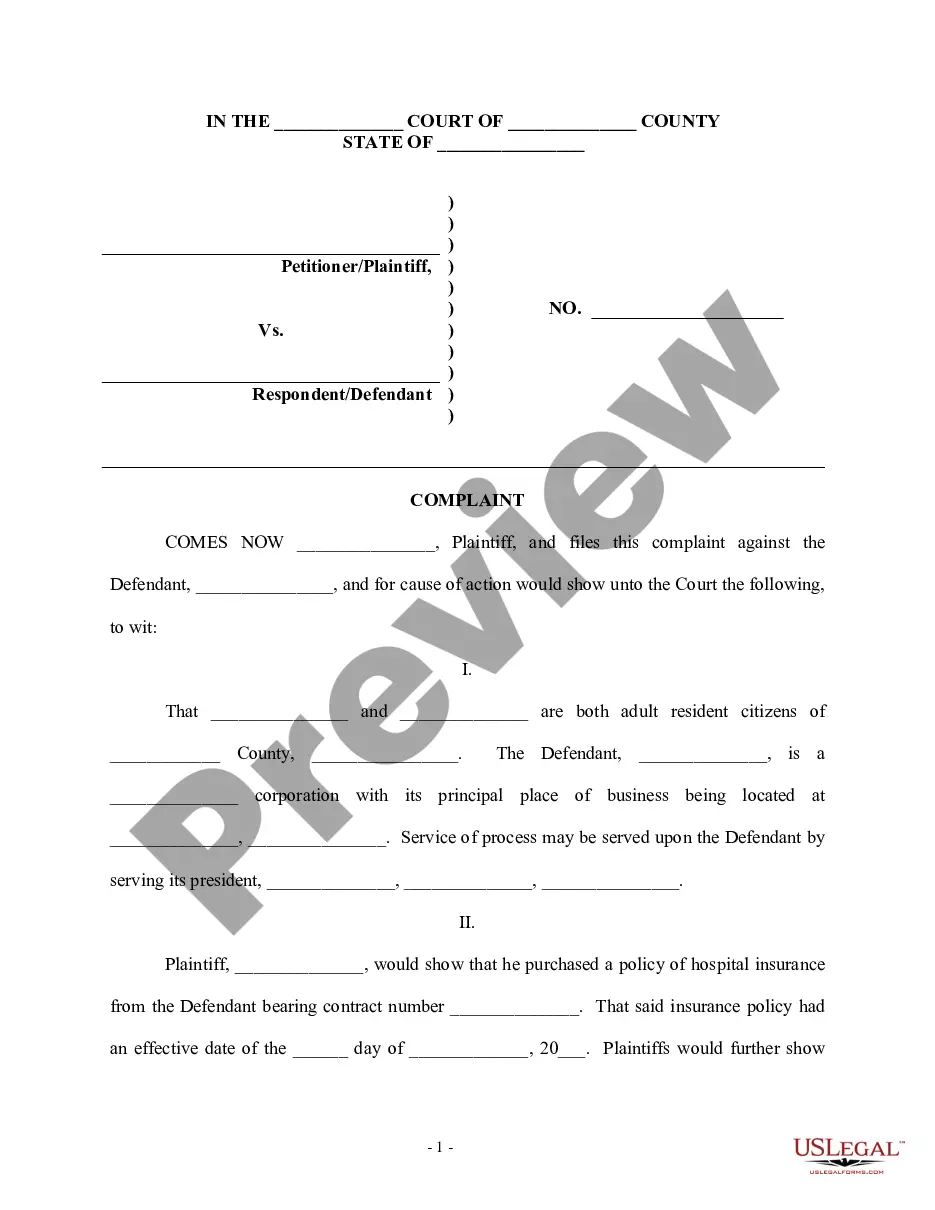
Get your form ready online
Our built-in tools help you complete, sign, share, and store your documents in one place.
Make edits, fill in missing information, and update formatting in US Legal Forms—just like you would in MS Word.
Download a copy, print it, send it by email, or mail it via USPS—whatever works best for your next step.
Sign and collect signatures with our SignNow integration. Send to multiple recipients, set reminders, and more. Go Premium to unlock E-Sign.
If this form requires notarization, complete it online through a secure video call—no need to meet a notary in person or wait for an appointment.
We protect your documents and personal data by following strict security and privacy standards.
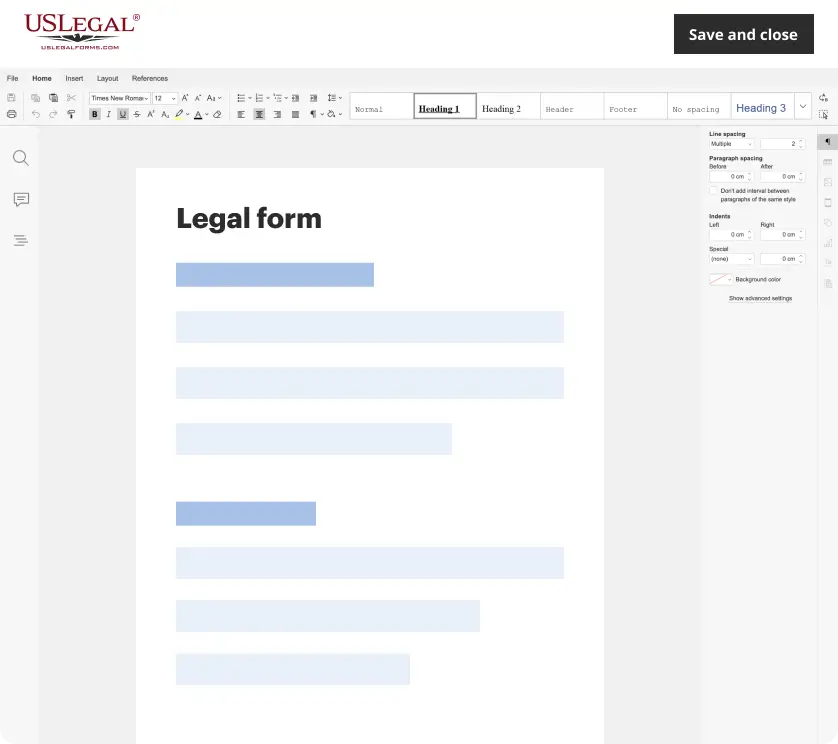
Make edits, fill in missing information, and update formatting in US Legal Forms—just like you would in MS Word.
Download a copy, print it, send it by email, or mail it via USPS—whatever works best for your next step.
Sign and collect signatures with our SignNow integration. Send to multiple recipients, set reminders, and more. Go Premium to unlock E-Sign.
If this form requires notarization, complete it online through a secure video call—no need to meet a notary in person or wait for an appointment.
We protect your documents and personal data by following strict security and privacy standards.
Looking for another form?

Form popularity
FAQ
Mental Disorders. Intellectual Disabilities. Affective Disorders. Schizophrenia and Other Psychotic Disorders. Physical Disorders. Immune System Disorders. Cancer Diagnosis. Neurological Disorders. Congenital Disorders. Cardiovascular Disabilities and Disorders. Respiratory Disorders. Musculoskeletal Disorders.
What conditions qualify for disability in Illinois? Any condition that will prevent you from working for a year or more can qualify for disability benefits. Some of the most common conditions include musculoskeletal disorders, mental disorders, nervous system diseases, and circulatory system diseases.
Requirements to File a Claim Can't do your regular work for at least eight days. Have lost wages because of your disability. Are working or looking for work at the time your disability begins. Earned at least $300 with State Disability Insurance (SDI) deducted from your paycheck.
Can I receive Disability Insurance and Social Security Disability at the same time? Yes, however, Social Security may reduce the amount you receive for Disability Insurance benefits.
Answer: Yes, someone receiving retirement can apply for SSDI benefits if they elected to take early retirement and are receiving a reduced amount.
Key Takeaways If you have a disability, your work history may qualify you for monthly Social Security Disability Insurance (SSDI) payments. SSDI is an earned benefit, just like Social Security retirement. But you cannot collect two benefits at one time.
While Social Security Disability benefits require that a person be totally disabled, private disability companies, like state-sponsored plans, will allow coverage for partial disability. As well, Social Security disability doesn't have limitations on how long it will make payments.
Yes, however, Social Security may reduce the amount you receive for Disability Insurance benefits.
