Complaint Repossession With Credit Card In Ohio
Description








Get your form ready online
Our built-in tools help you complete, sign, share, and store your documents in one place.
Make edits, fill in missing information, and update formatting in US Legal Forms—just like you would in MS Word.
Download a copy, print it, send it by email, or mail it via USPS—whatever works best for your next step.
Sign and collect signatures with our SignNow integration. Send to multiple recipients, set reminders, and more. Go Premium to unlock E-Sign.
If this form requires notarization, complete it online through a secure video call—no need to meet a notary in person or wait for an appointment.
We protect your documents and personal data by following strict security and privacy standards.
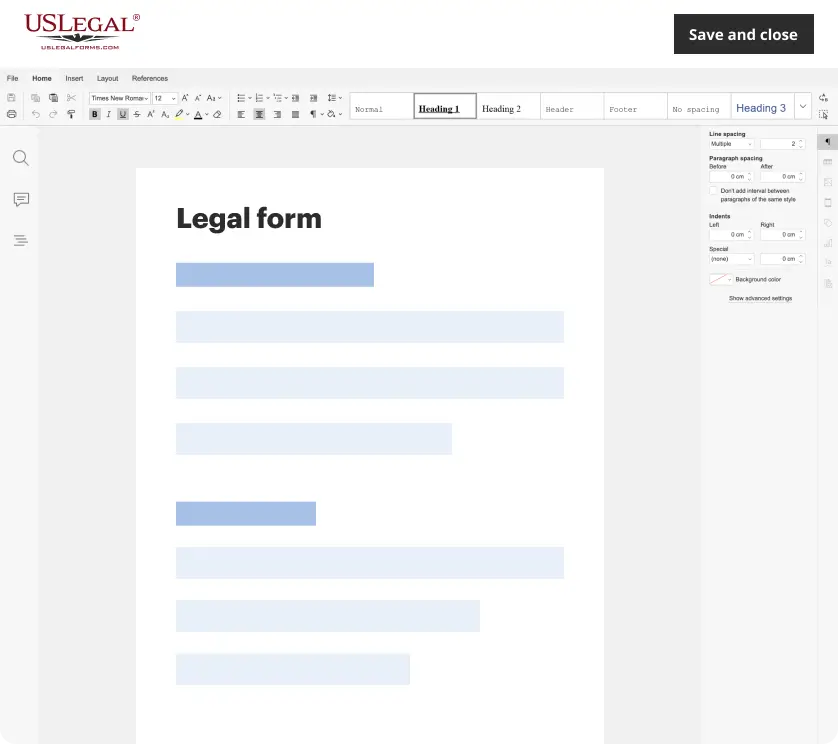
Make edits, fill in missing information, and update formatting in US Legal Forms—just like you would in MS Word.
Download a copy, print it, send it by email, or mail it via USPS—whatever works best for your next step.
Sign and collect signatures with our SignNow integration. Send to multiple recipients, set reminders, and more. Go Premium to unlock E-Sign.

If this form requires notarization, complete it online through a secure video call—no need to meet a notary in person or wait for an appointment.
We protect your documents and personal data by following strict security and privacy standards.
Looking for another form?





Form popularity
FAQ
One of these rules is that repossession agents cannot enter your home. They also cannot use any sort of violence to repossess your vehicle. It's illegal for repossession agents to deceive you by asking you to bring your vehicle to the shop for repairs or maintenance.
The statute of limitations for collection of debt in Ohio is six years. This time frame applies to the majority of situations and to most types of debt.
You should dispute a debt if you believe you don't owe it or the information and amount is incorrect. While you can submit your dispute at any time, sending it in writing within 30 days of receiving a validation notice, which can be your initial communication with the debt collector.
Specifically, the rule states that a debt collector cannot: Make more than seven calls within a seven-day period to a consumer regarding a specific debt. Call a consumer within seven days after having a telephone conversation about that debt.
You have two tools you can use to dispute a debt: first, a debt validation letter the debt collector is required to send you, outlining the debt and your rights around disputing it; then, a debt verification letter. You can submit a written request to get more information and temporarily halt collection efforts.
RIGHT TO DISPUTE THE DEBT: Within 30 DAYS of receiving notice of the debt from the debt collector, you can send a letter to the debt collector disputing the debt and requesting the name and contact information of the original creditor.
There's no hard and fast rule on how much time you have to get a car back before the lender sells it. Generally speaking, the lender must give you notice that allows a "reasonable time" prior to the sale for you to react and exercise your options. At least ten days' notice is usually considered reasonable.
You need to respond to the summons with what is called an Answer. You can go to the clerk of courts and ask to see a case file involving a credit card debt where an Answer was filed and copy the form, but changing the details (eg name and case number) to copy what was in your summons.
Article I, Section 15 | No imprisonment for debt No person shall be imprisoned for debt in any civil action, on mesne or final process, unless in cases of fraud.
