Employment Discrimination For Ada In Clark
Description




Get your form ready online
Our built-in tools help you complete, sign, share, and store your documents in one place.
Make edits, fill in missing information, and update formatting in US Legal Forms—just like you would in MS Word.
Download a copy, print it, send it by email, or mail it via USPS—whatever works best for your next step.
Sign and collect signatures with our SignNow integration. Send to multiple recipients, set reminders, and more. Go Premium to unlock E-Sign.
If this form requires notarization, complete it online through a secure video call—no need to meet a notary in person or wait for an appointment.
We protect your documents and personal data by following strict security and privacy standards.
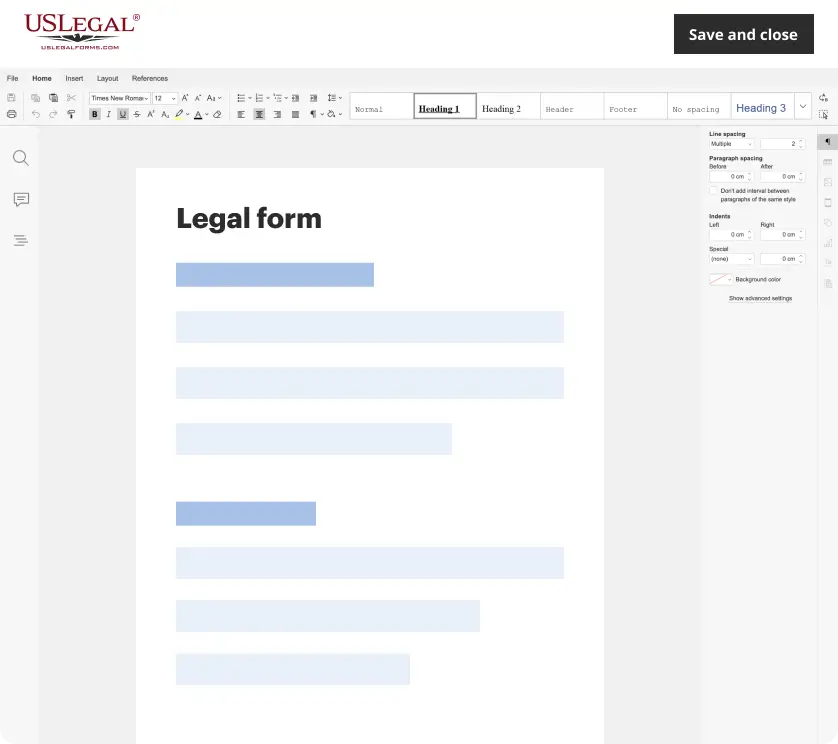
Make edits, fill in missing information, and update formatting in US Legal Forms—just like you would in MS Word.
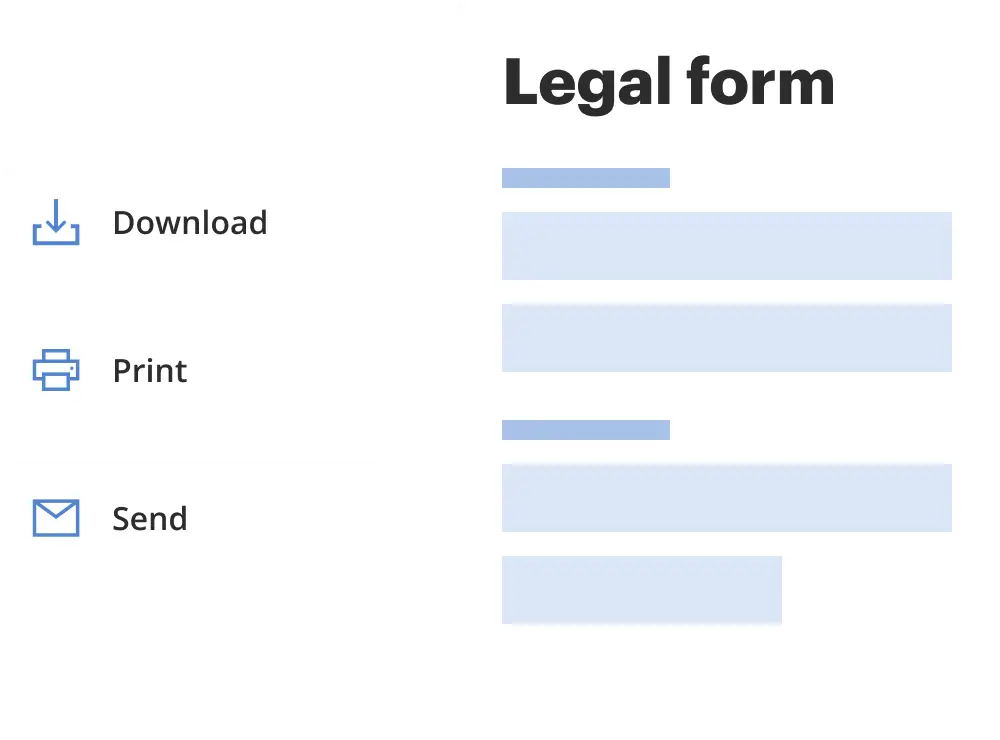
Download a copy, print it, send it by email, or mail it via USPS—whatever works best for your next step.
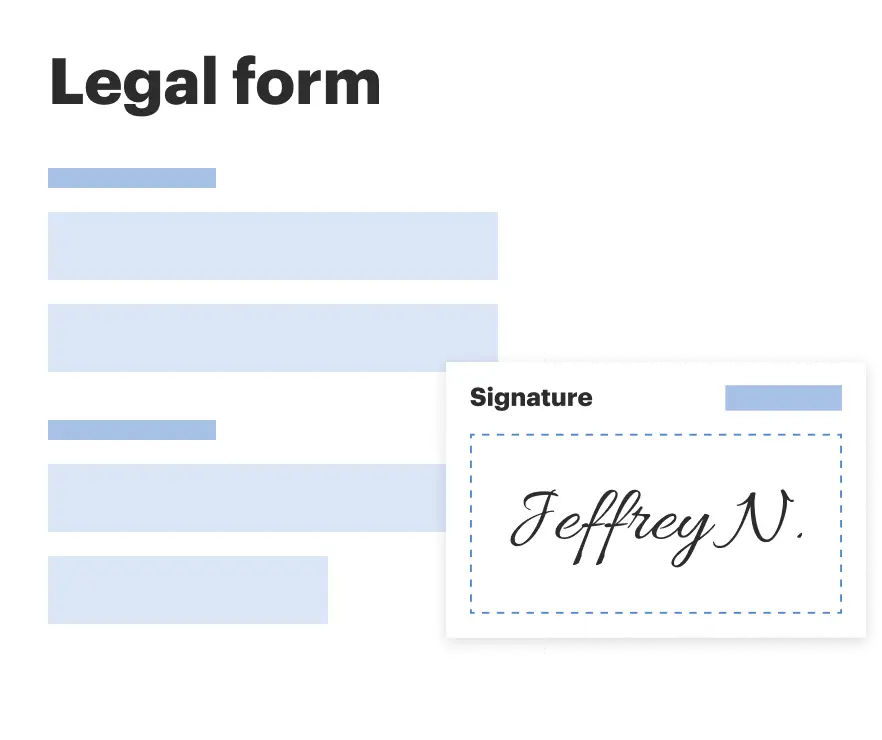
Sign and collect signatures with our SignNow integration. Send to multiple recipients, set reminders, and more. Go Premium to unlock E-Sign.
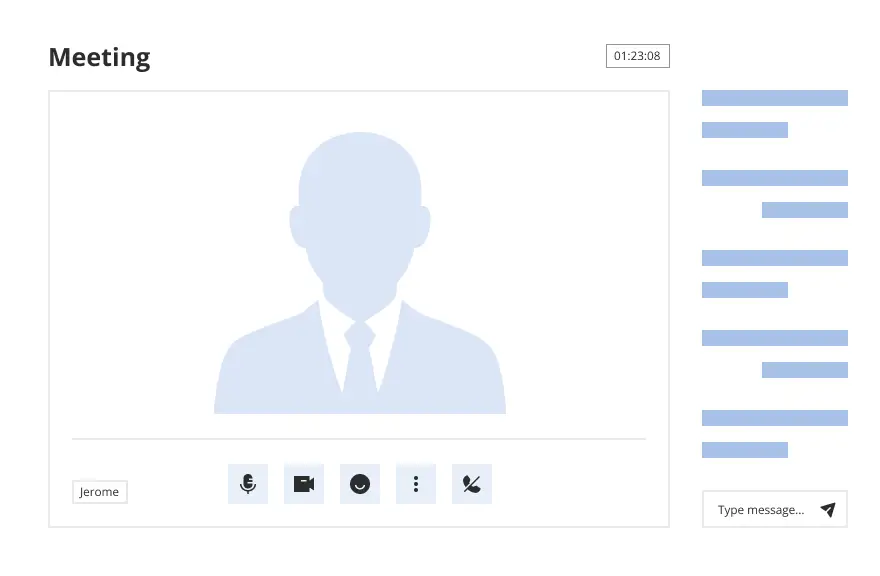
If this form requires notarization, complete it online through a secure video call—no need to meet a notary in person or wait for an appointment.
We protect your documents and personal data by following strict security and privacy standards.
Looking for another form?


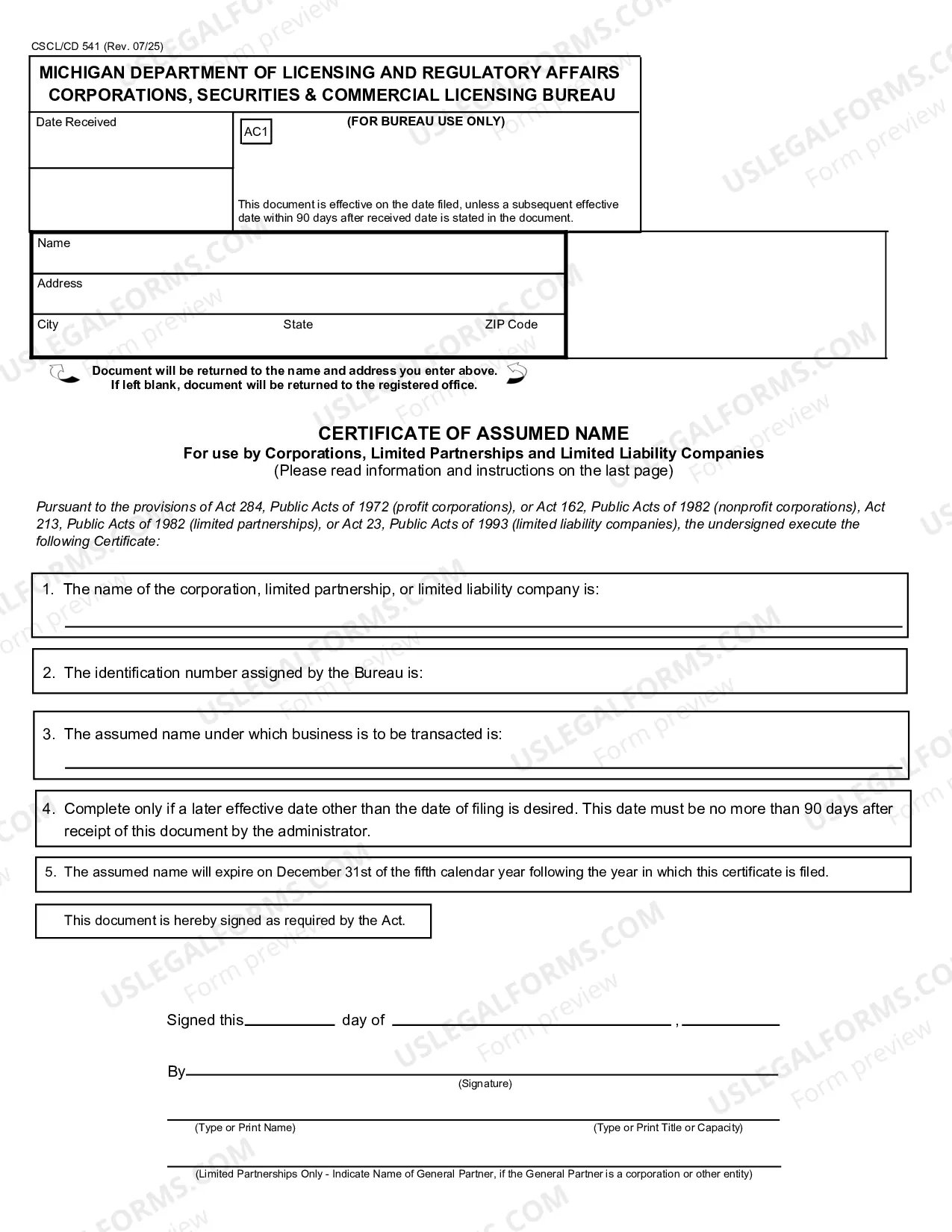
Form popularity
FAQ
Under the Act, a plaintiff is required to present evidence that he or she (1) suffers from a disability, (2) is a qualified individual, and (3) was subjected to an adverse employment action because of the disability.
Content to consider in body of letter: Identify yourself as a person with a disability. State that you are requesting accommodations under the ADA (or the Rehabilitation Act of 1973 if you are a federal employee) Identify your specific problematic job tasks. Identify your accommodation ideas.
The provider does not have to be a medical doctor (MD). Examples may include doctors (including psychiatrists), psychologists, nurses, physical therapists, occupational therapists, speech therapists, vocational rehabilitation specialists, and licensed mental health professionals, among others.
To establish a prima facie case of disability discrimination against an employer under the ADA requires an employee to show four elements: the employer is subject to the ADA; the employee is disabled as defined by the ADA, has a record of impairment, or is perceived to be so by the employer; the employee is able to ...
In your reasonable accommodation letter, you should provide all the information your employer will need to begin the accommodation process, including what your disability is, how it affects you, which aspects of your job might require modification, and proposed accommodations.
Reasonable accommodation can include, but is not limited to, the following: Changing job duties. Providing leave for medical care. Changing work schedules. Relocating the work area. Providing mechanical or electrical aids.
Explain as clearly as possible what happened, why you believe it happened, and how you were discriminated against. Please include how other persons were treated differently from you, if applicable. If you were denied a benefit or service, please provide a copy of the denial letter.
Content to consider in body of letter: Identify yourself as a person with a disability. State that you are requesting accommodations under the ADA (or the Rehabilitation Act of 1973 if you are a federal employee) Identify your specific problematic job tasks. Identify your accommodation ideas.
Average Disability Discrimination Settlements in California The average settlement for a disability discrimination case can range from around $25,000 to $500,000. Less complex cases often settle for about $100,000 or less, while more involved cases can exceed $1,000,000. But these are just ballpark figures.
