Discrimination Of Rights In Massachusetts
Description






Form popularity
FAQ
When you make a discrimination claim, you need to provide the court with evidence from which it could decide that the discrimination took place. The obligation on you to provide this evidence is called the burden of proof.
Evidence in a discrimination case in California typically includes: emails, text messages, recordings, disciplinary forms, termination documents, or a copy of your employment contract if one exists. If you're like most Californians, you spend an inordinate amount of time at work.
The easiest way to prove unlawful discrimination is through the use of direct evidence. Direct evidence is the kind that, if believed, requires a conclusion that unlawful discrimination motivated the employer's decision. Direct evidence requires no inference or presumption.
A written complaint to OSPI must include the following information: A description the conduct or incident—use facts (what, who and when) An explanation of why you believe unlawful discrimination has taken place. Your name and contact information, including a mailing address.
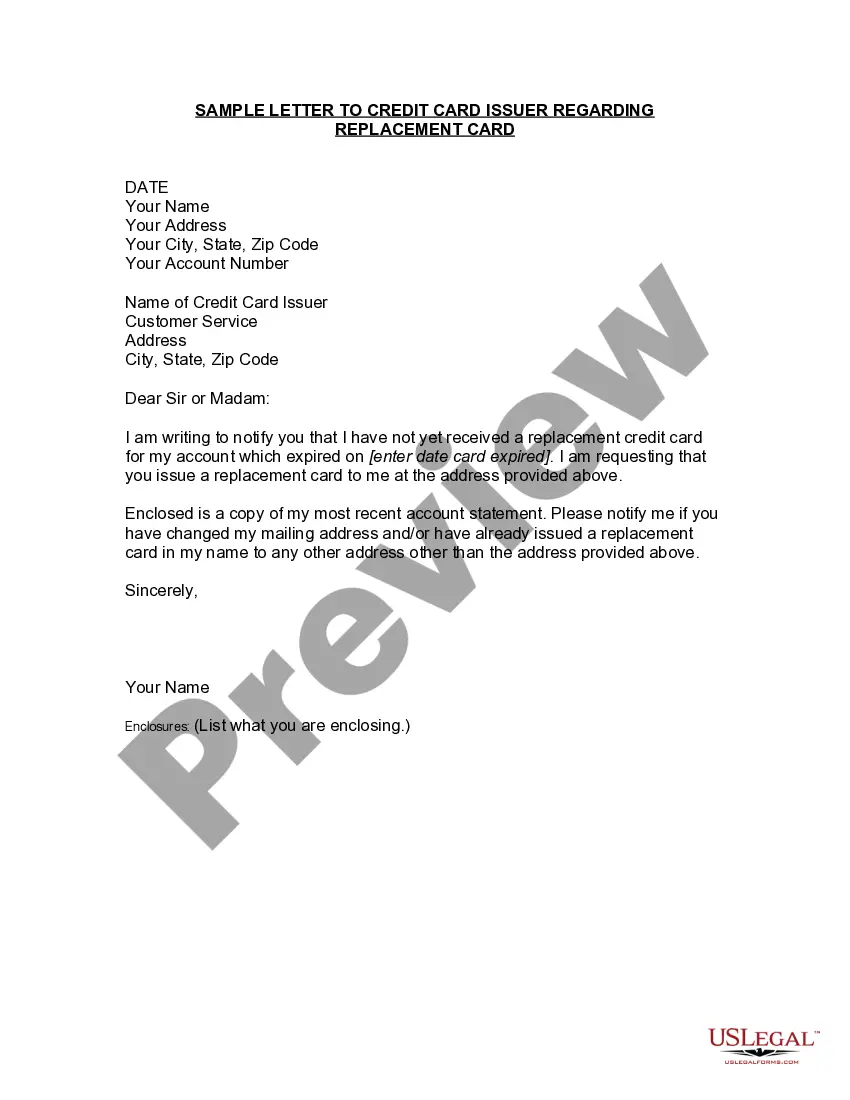
Include the following in your complaint letter: Your name, address and telephone number. The name, address, and telephone number of your attorney or authorized representative, if you are represented. The basis of your complaint. The date(s) that the incident(s) you are reporting as discrimination occurred.
There are certain benefits when you decide to file a discrimination lawsuit. It will not only benefit you, but your co-workers as well because it will likely make your workplace safer by creating a better environment for all. When you sue, you can also obtain a legal remedy for the discrimination you have faced.
Age. Age discrimination involves treating someone (an applicant or employee) less favorably because of age. Disability. Genetic Information. Unlawful Workplace Harassment (Harassment) ... National Origin. Pregnancy. Race/Color. Religion.
