National Labor Relations Board Complaint Form In Wayne
Description

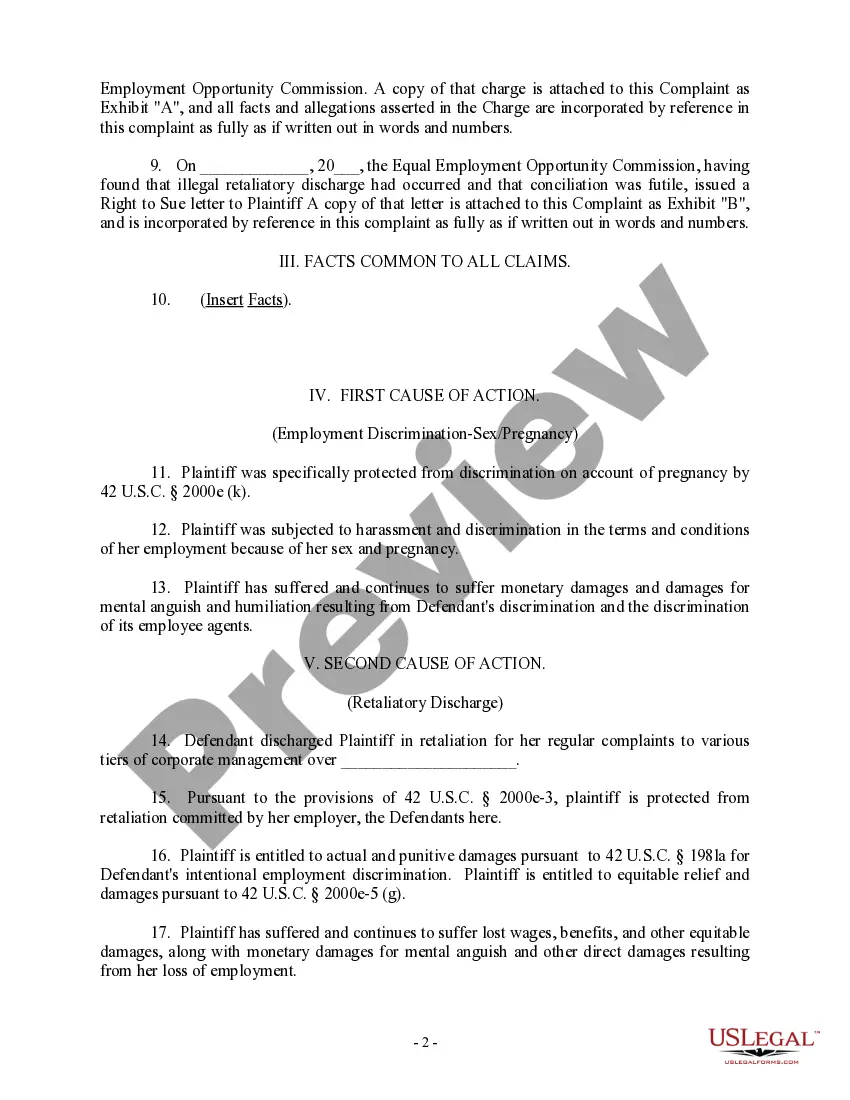
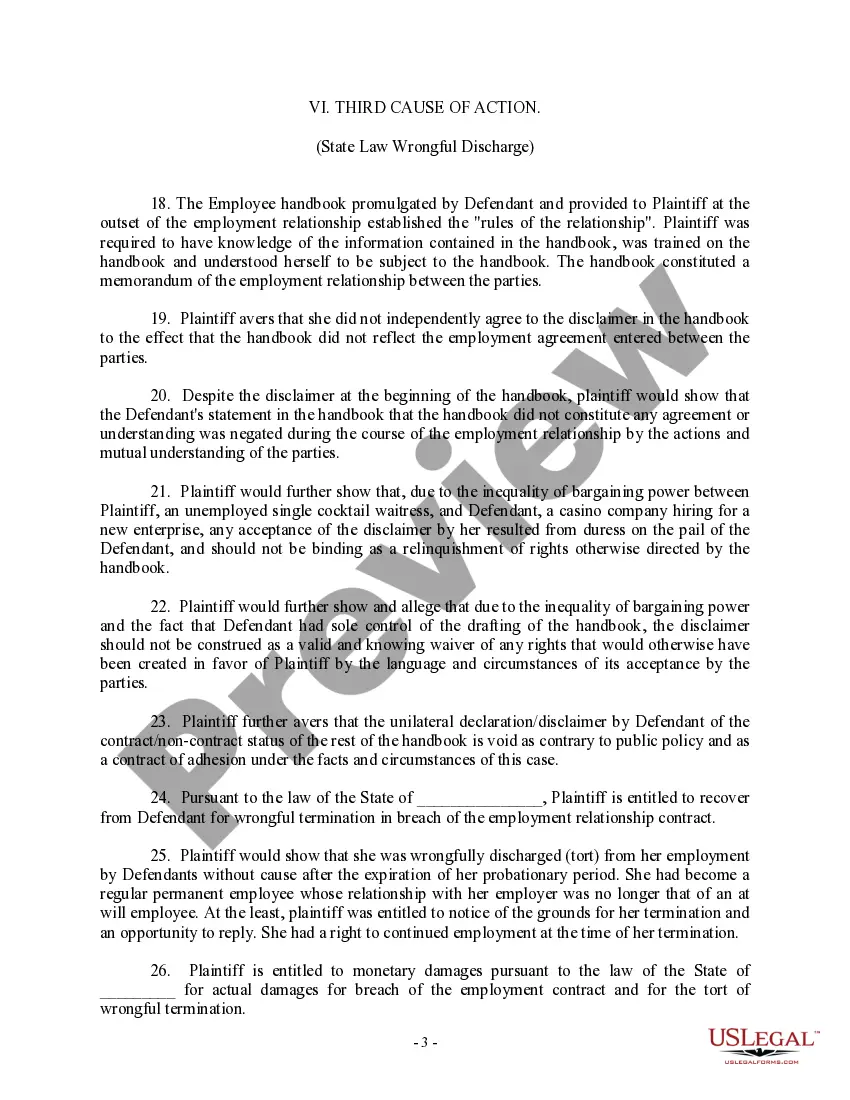
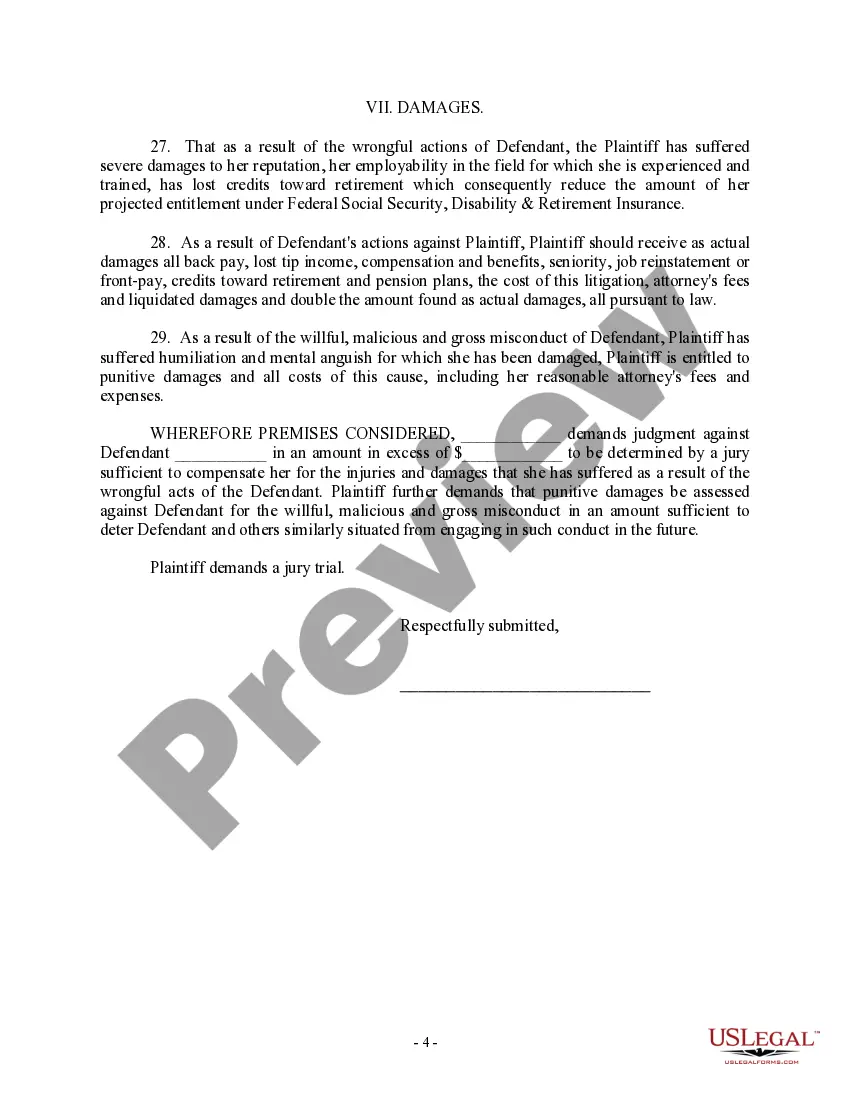


Get your form ready online
Our built-in tools help you complete, sign, share, and store your documents in one place.
Make edits, fill in missing information, and update formatting in US Legal Forms—just like you would in MS Word.
Download a copy, print it, send it by email, or mail it via USPS—whatever works best for your next step.
Sign and collect signatures with our SignNow integration. Send to multiple recipients, set reminders, and more. Go Premium to unlock E-Sign.
If this form requires notarization, complete it online through a secure video call—no need to meet a notary in person or wait for an appointment.
We protect your documents and personal data by following strict security and privacy standards.

Make edits, fill in missing information, and update formatting in US Legal Forms—just like you would in MS Word.

Download a copy, print it, send it by email, or mail it via USPS—whatever works best for your next step.

Sign and collect signatures with our SignNow integration. Send to multiple recipients, set reminders, and more. Go Premium to unlock E-Sign.

If this form requires notarization, complete it online through a secure video call—no need to meet a notary in person or wait for an appointment.

We protect your documents and personal data by following strict security and privacy standards.
Looking for another form?

Form popularity
FAQ
Under the first method, if at least 30% of the workforce signs a union card for representation, those workers may file a petition with the NLRB for a union election. If the union wins the election with 50% + 1 vote, the employer must bargain in good faith with the union.
Examples of Employer Conduct Which Violate the NLRA Are: Promising benefits to employees to discourage their union support. Transferring, laying off, terminating, assigning employees more difficult work tasks, or otherwise punishing employees because they engaged in union or protected concerted activity.
The union, and the National Labor Relations Board, strictly scrutinize an employer's conduct during the so-called “critical” period, which is the period of time between the date a representation petition is filed with the NLRB and the ensuing campaign period leading up to an election.
There are five categories of unfair labor practices for employers that are prohibited under the NLRA: Interference, restraint, or coercion. Employer domination or support of a labor organization. Discrimination on the basis of labor activity. Discrimination in retaliation for going to the NLRB. Refusal to bargain.
Learn how labor relations software can help employers manage this process. Labor board investigations typically last at least a few months, but there's no set timeline and each case is unique. In more complex cases, the process could potentially play out across several years.
Examples of Employer Conduct Which Violate the NLRA Are: Questioning employees about their union sympathies or activities in circumstances that tend to interfere with, restrain or coerce employees in the exercise of their rights under the Act. Promising benefits to employees to discourage their union support.
Other Proactive Disclosed NLRB Records The Agency makes many reports available to the public, containing various types of information related to casehandling, the Agency's performance, the FOIA, and Office of the Inspector General.
NLRB management also may provide information to the OIG. Individuals may choose to remain anonymous or request that their identities be confidential. OIG maintains confidentiality in ance with Section 7(b) of the Inspector General Act of 1978.
