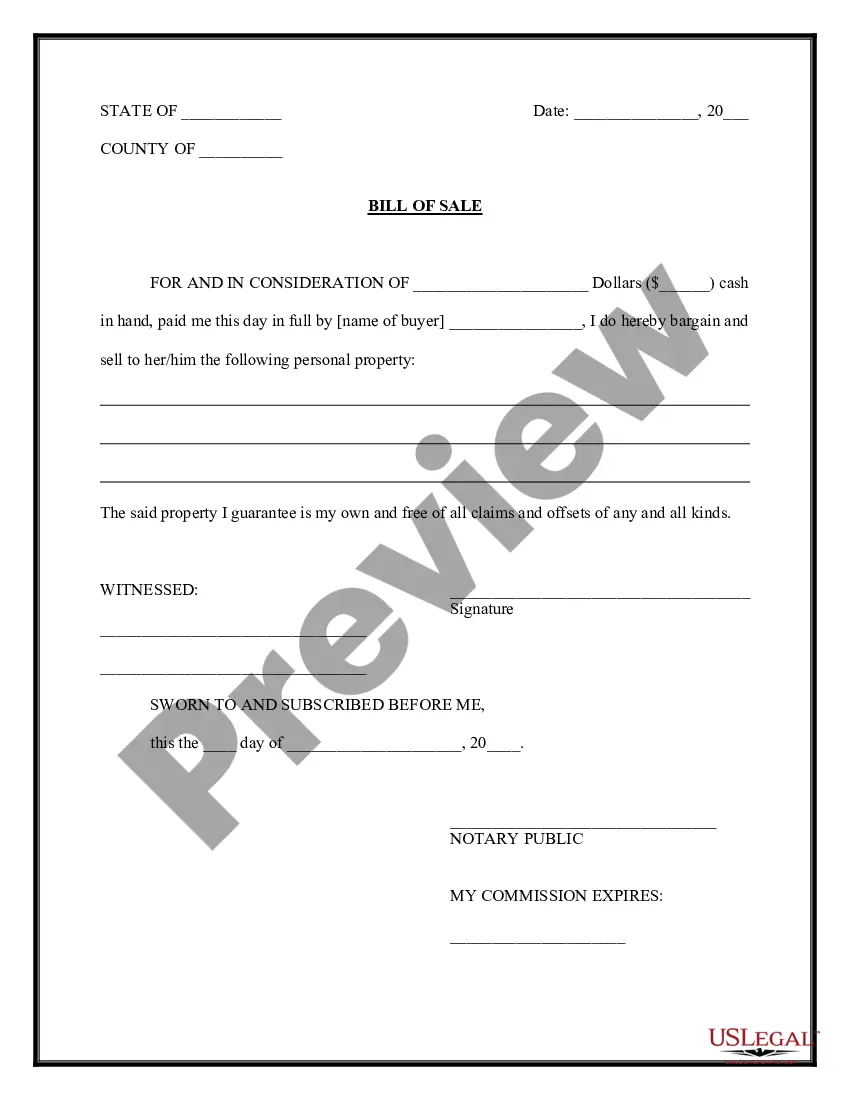
Petition Writ Habeas Corpus With High Court In Franklin
Description






Get your form ready online
Our built-in tools help you complete, sign, share, and store your documents in one place.
Make edits, fill in missing information, and update formatting in US Legal Forms—just like you would in MS Word.
Download a copy, print it, send it by email, or mail it via USPS—whatever works best for your next step.
Sign and collect signatures with our SignNow integration. Send to multiple recipients, set reminders, and more. Go Premium to unlock E-Sign.
If this form requires notarization, complete it online through a secure video call—no need to meet a notary in person or wait for an appointment.
We protect your documents and personal data by following strict security and privacy standards.

Make edits, fill in missing information, and update formatting in US Legal Forms—just like you would in MS Word.

Download a copy, print it, send it by email, or mail it via USPS—whatever works best for your next step.

Sign and collect signatures with our SignNow integration. Send to multiple recipients, set reminders, and more. Go Premium to unlock E-Sign.

If this form requires notarization, complete it online through a secure video call—no need to meet a notary in person or wait for an appointment.

We protect your documents and personal data by following strict security and privacy standards.
Looking for another form?



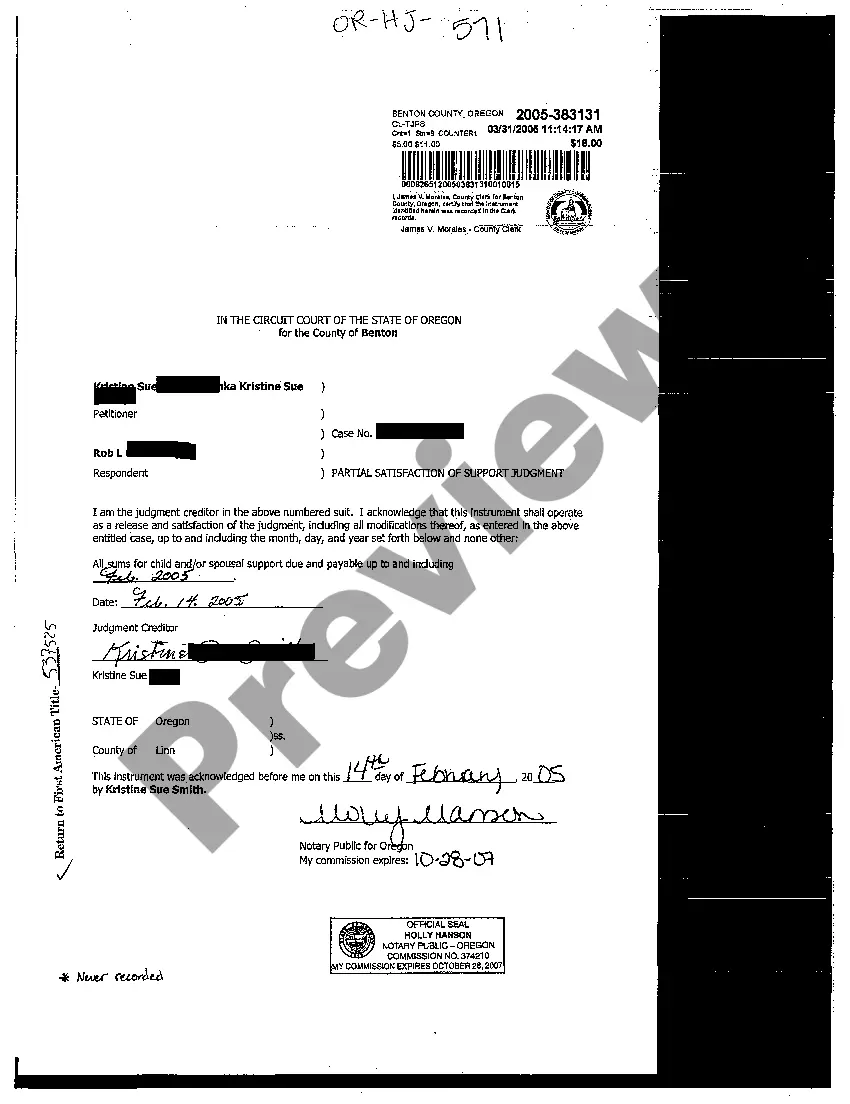
Form popularity
FAQ
State prisoners can petition Federal courts to review the validity of their convictions and sentences; these petitions, commonly called habeas corpus petitions, allege that criminal proceedings and resulting convictions and/or sentences violated the constitutional rights of prisoners.
A Writ of Habeas Corpus literally translates to bring a body before the court. A writ is an order from a higher court to a lower court or government agency or official. When you file a petition for a Writ of Habeas Corpus, you are asking the court to order the government agency to appear and bring you before the court.
A writ of habeas corpus is used to bring a prisoner or other detainee (e.g. institutionalized mental patient) before the court to determine if the person's imprisonment or detention is lawful. A habeas petition proceeds as a civil action against the State agent (usually a warden) who holds the defendant in custody.
A writ of habeas corpus in California is where an inmate challenges their conviction or sentencing. A writ of habeas corpus is a legal petition presented to judges in criminal cases by inmates in custody where they are challenging their conviction or sentencing conditions.
TWO TYPES OF WRITS: WRIT OF HABEAS CORPUS AD PROSEQUENDUM - An order commanding the presence of a defendant to appear in court to answer charges on pending case. WRIT OF HABEAS CORPUS AD TESTIFICANDUM – An order commanding the presence of a witness to appear in court to testify in court proceedings.
—The writ of habeas data is a remedy available to any person whose right to privacy in life, liberty or security is violated or threatened by an unlawful act or omission of a public official or employee, or of a private individual or entity engaged in the gathering, collecting or storing of data or information ...
A successful Writ of Habeas Corpus in California can achieve one of the following: Release the defendant. Reduce the defendant's sentencing. Make changes to the defendant's sentencing conditions.
A number of people arrested and detained throughout the country sought writs of habeas corpus before the courts. He wanted them released through writs of habeas corpus, a right hitherto granted only to human prisoners.
The writ of habeas corpus is the great remedy of the citizen or subject against arbitrary or illegal imprisonment; it is the mode by which the judicial power speedily and effectually protects the personal liberty of every individual, and repels the injustice of unconstitutional laws and despotic governments.