Complaint Responsibility Filed With The Court In Franklin
Description

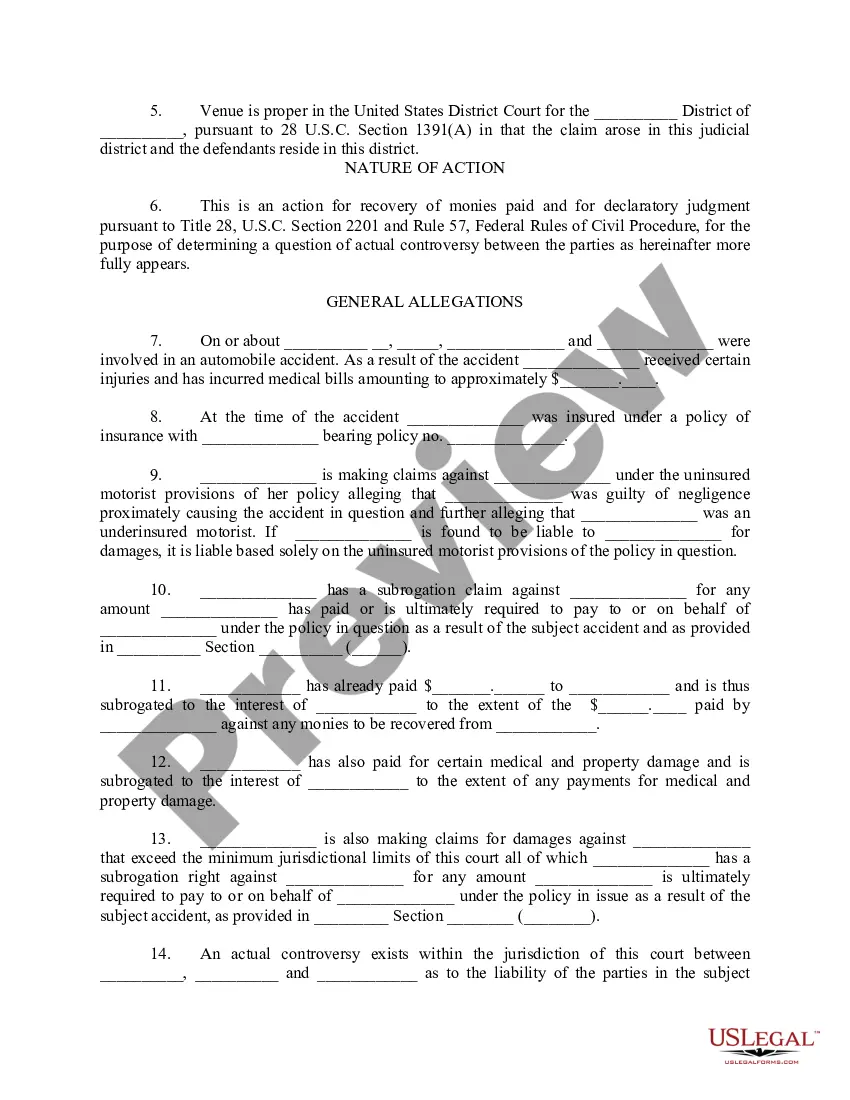
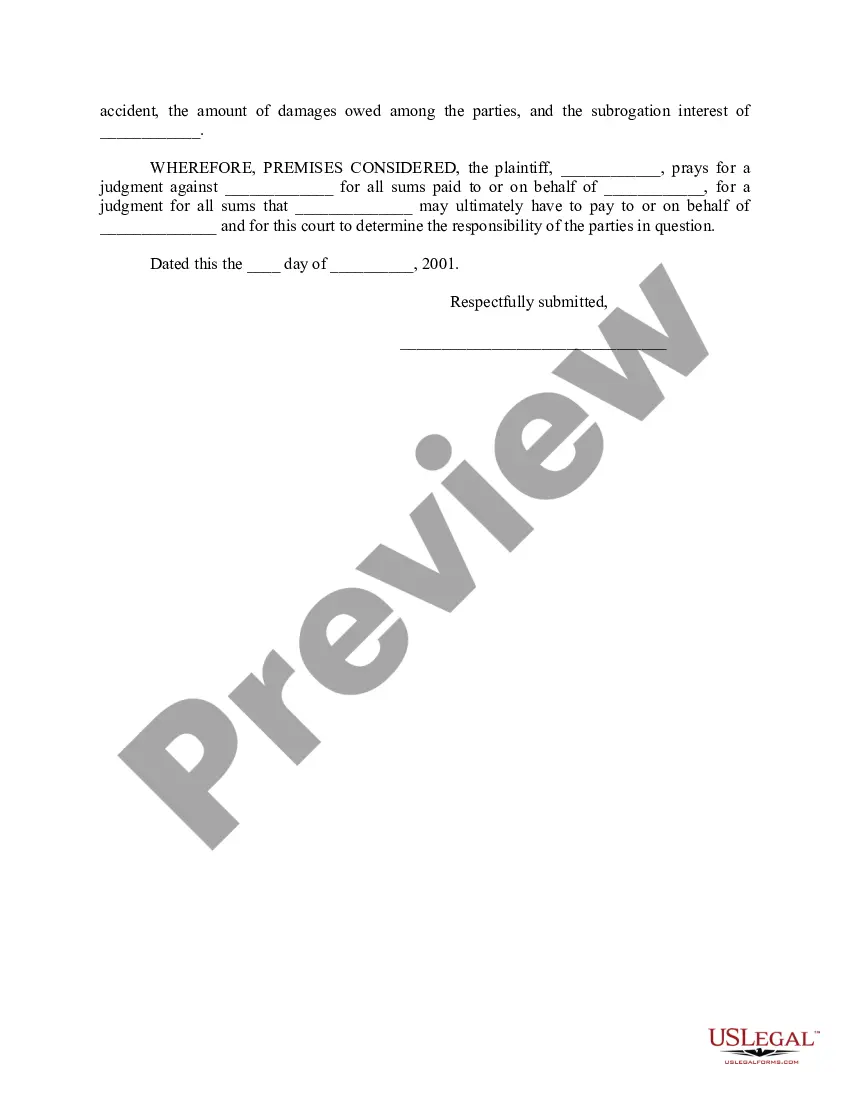



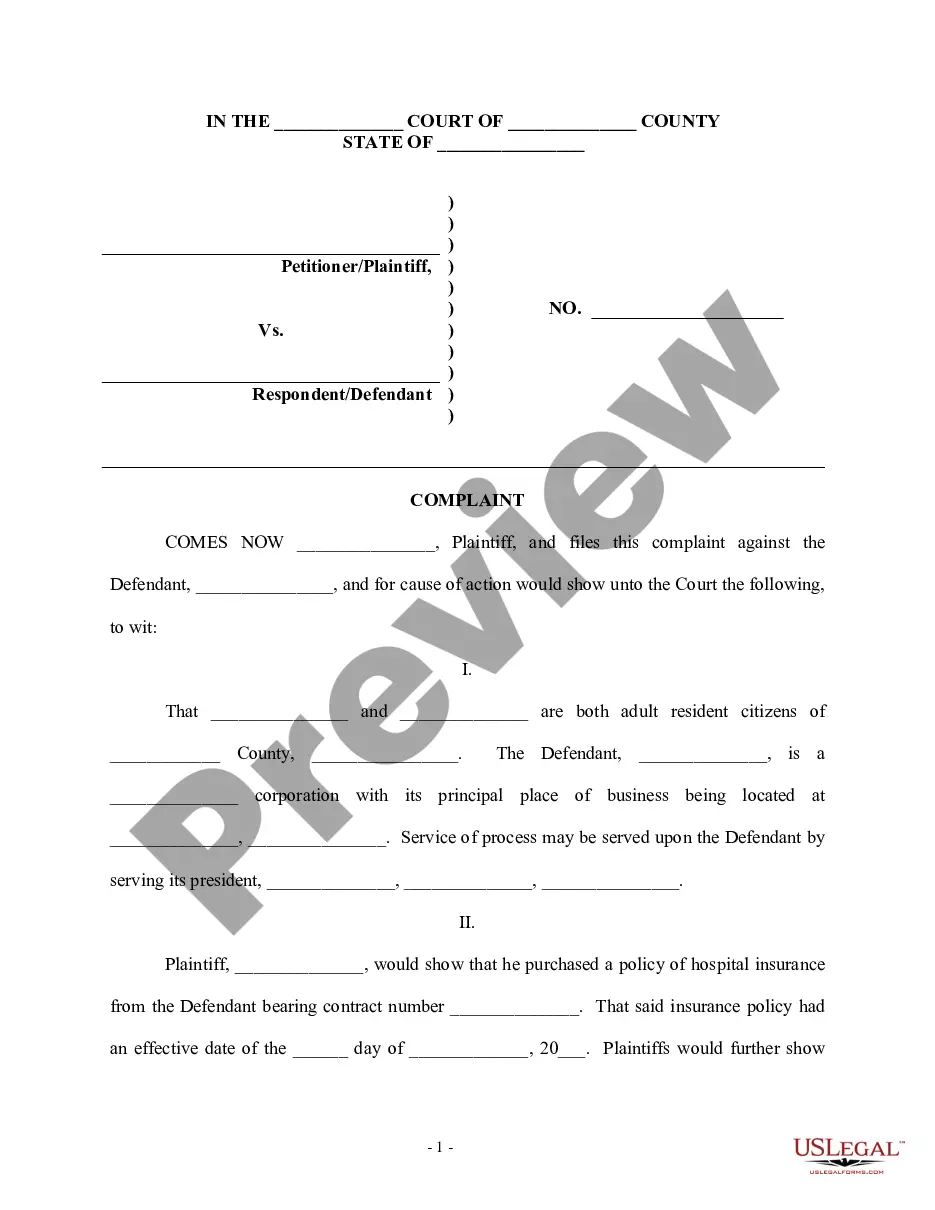
Get your form ready online
Our built-in tools help you complete, sign, share, and store your documents in one place.
Make edits, fill in missing information, and update formatting in US Legal Forms—just like you would in MS Word.
Download a copy, print it, send it by email, or mail it via USPS—whatever works best for your next step.
Sign and collect signatures with our SignNow integration. Send to multiple recipients, set reminders, and more. Go Premium to unlock E-Sign.
If this form requires notarization, complete it online through a secure video call—no need to meet a notary in person or wait for an appointment.
We protect your documents and personal data by following strict security and privacy standards.

Make edits, fill in missing information, and update formatting in US Legal Forms—just like you would in MS Word.

Download a copy, print it, send it by email, or mail it via USPS—whatever works best for your next step.

Sign and collect signatures with our SignNow integration. Send to multiple recipients, set reminders, and more. Go Premium to unlock E-Sign.

If this form requires notarization, complete it online through a secure video call—no need to meet a notary in person or wait for an appointment.

We protect your documents and personal data by following strict security and privacy standards.
Looking for another form?




Form popularity
FAQ
Make a complaint about a City tribunal judge. Call 311 or 212-NEW-YORK (212-639-9675) for help. Download and mail a completed complaint form or mail a written letter that includes: Your name.
Most of the time, however, judges have absolute immunity from civil cases, which protects them from personal lawsuits. The principle of absolute immunity shields government officials from being sued while they serve in an official capacity and it extends to judicial officers, including court judges.
Obvious examples are violations of criminal law, sexual misconduct with staff/attorneys/parties, joining discriminatory organizations and using the judicial position to enhance a private interest.
The Process To begin a civil lawsuit in federal court, the plaintiff files a complaint with the court and “serves” a copy of the complaint on the defendant.
Complaint: The complaint is the legal action in which one party (the plaintiff) sues another party (the defendant). Federal civil cases begin with the filing of a complaint.
Plaintiff - The person who files the complaint in a civil lawsuit.
A plaintiff starts a civil action by filing a pleading called a complaint. A complaint must state all of the plaintiff's claims against the defendant, and must also specify what remedy the plaintiff is seeking. After receiving the complaint, the defendant must respond with an answer.
Judge: The legal officer who presides over the courtroom and directs and controls the trial. Plaintiff: The person who accuses another and brings the lawsuit to court. Prosecutor: A public official who brings the government's case against a person accused of a crime and asks the court to convict that person.
