Motorist Uninsured Accident Form California In Houston
Description

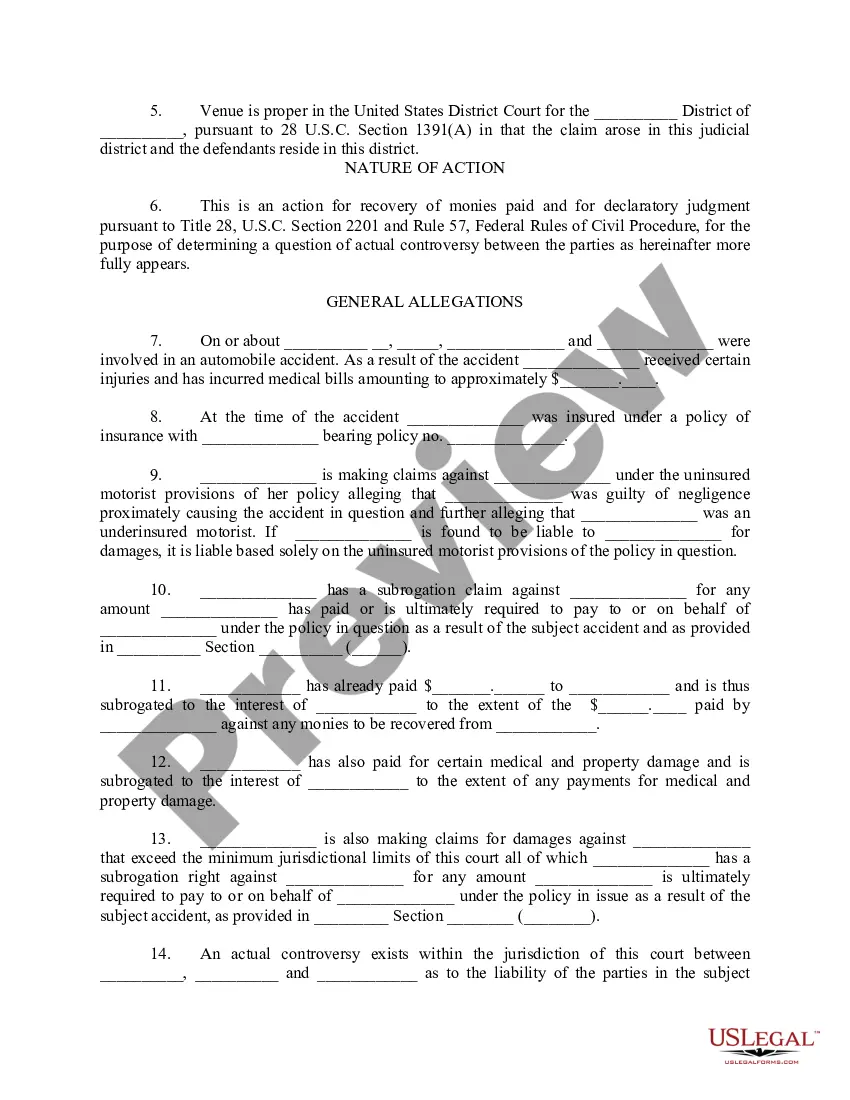
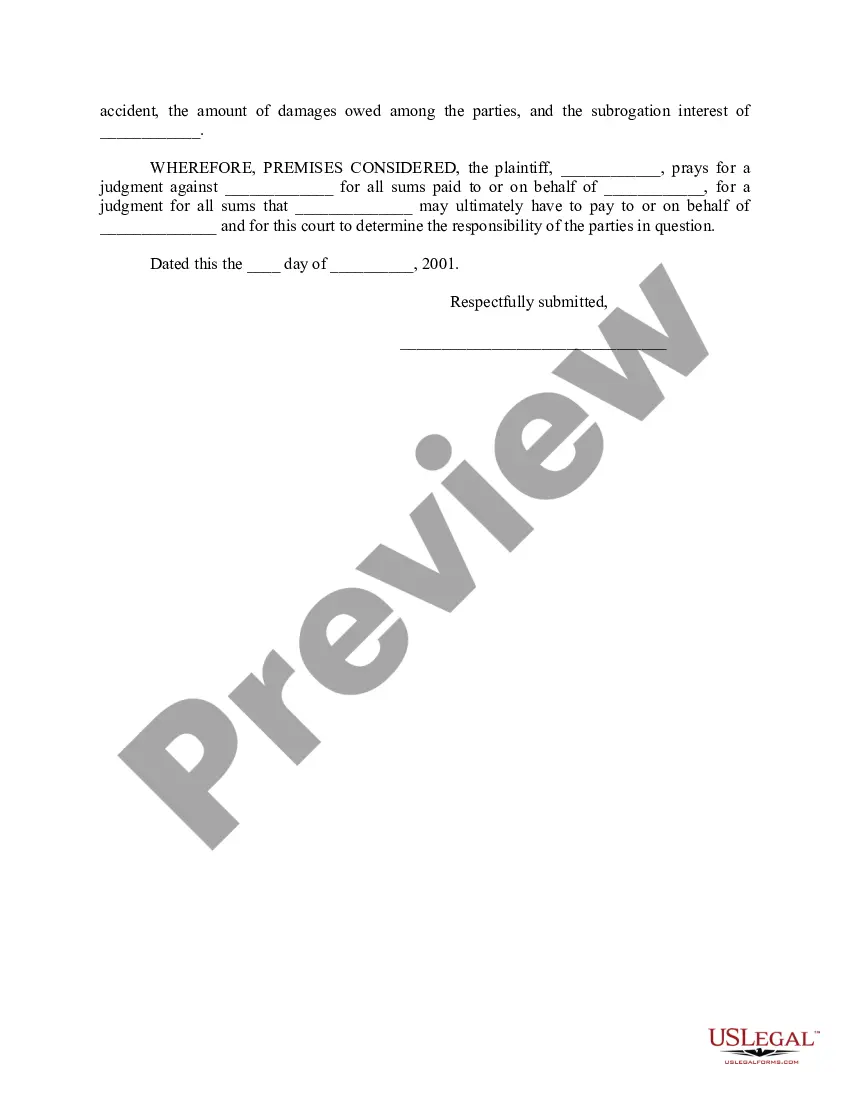




Get your form ready online
Our built-in tools help you complete, sign, share, and store your documents in one place.
Make edits, fill in missing information, and update formatting in US Legal Forms—just like you would in MS Word.
Download a copy, print it, send it by email, or mail it via USPS—whatever works best for your next step.
Sign and collect signatures with our SignNow integration. Send to multiple recipients, set reminders, and more. Go Premium to unlock E-Sign.
If this form requires notarization, complete it online through a secure video call—no need to meet a notary in person or wait for an appointment.
We protect your documents and personal data by following strict security and privacy standards.

Make edits, fill in missing information, and update formatting in US Legal Forms—just like you would in MS Word.

Download a copy, print it, send it by email, or mail it via USPS—whatever works best for your next step.

Sign and collect signatures with our SignNow integration. Send to multiple recipients, set reminders, and more. Go Premium to unlock E-Sign.

If this form requires notarization, complete it online through a secure video call—no need to meet a notary in person or wait for an appointment.

We protect your documents and personal data by following strict security and privacy standards.
Looking for another form?



Form popularity
FAQ
When you have a collision, report it to DMV using an SR-1 report. You or your insurance agent, broker, or legal representative must complete an SR-1 report and send it to DMV within 10 days if someone is injured (no matter how minor the injury) or killed, or property damage is over $1000.
Answer: Prop 213 prevents drivers injured in a car accident from obtaining damages for their pain and suffering even when the accident was not their fault if they lack car insurance or the car they were driving was not covered by insurance.
The law requires the driver to file this SR-1 form with DMV regardless of fault. This report must be made in addition to any other report filed with a law enforcement agency, insurance company, or the California Highway Patrol (CHP) as their reports do not satisfy the filing requirement.
Form SR-1 requires drivers to submit details about all property damage, personal injuries, and deaths that are related the accident. This includes all drivers, passengers, bicyclists, and pedestrians who are affected by the crash.
Notify Your Insurance Company: Since the other driver doesn't have insurance, your uninsured motorist coverage (if you have it) could be your best route for recovering damages. Inform your insurance company about the accident, and they will guide you on filing a claim under this coverage.
When you have a collision, report it to DMV using an SR-1 report. You or your insurance agent, broker, or legal representative must complete an SR-1 report and send it to DMV within 10 days if someone is injured (no matter how minor the injury) or killed, or property damage is over $1000.
Reporting Someone Who Is Driving Without Car Insurance in California. You can report unsafe drivers, including those who are driving without proper insurance coverage, to the DMV. Simply contact the driver safety branch office for the location nearest you or the uninsured driver.
The driver must sign and date the completed form, and file it with the Department of Motor Vehicle in California. You can file the DMV SR 1 form online at the DMV official website.
California law requires that insurance companies offer uninsured motorist coverage. If you are in an accident with an uninsured driver, you can file a claim under your own policy's uninsured motorist coverage if you have it. You can also sue the uninsured driver for your damages.
State Laws. In some states, there are conditions to get uninsured motorist coverage. California, for example, has a strict maximum of $3500 for uninsured motorist property damage coverage.
