Complaint Responsibility File Formal In Pima
Description

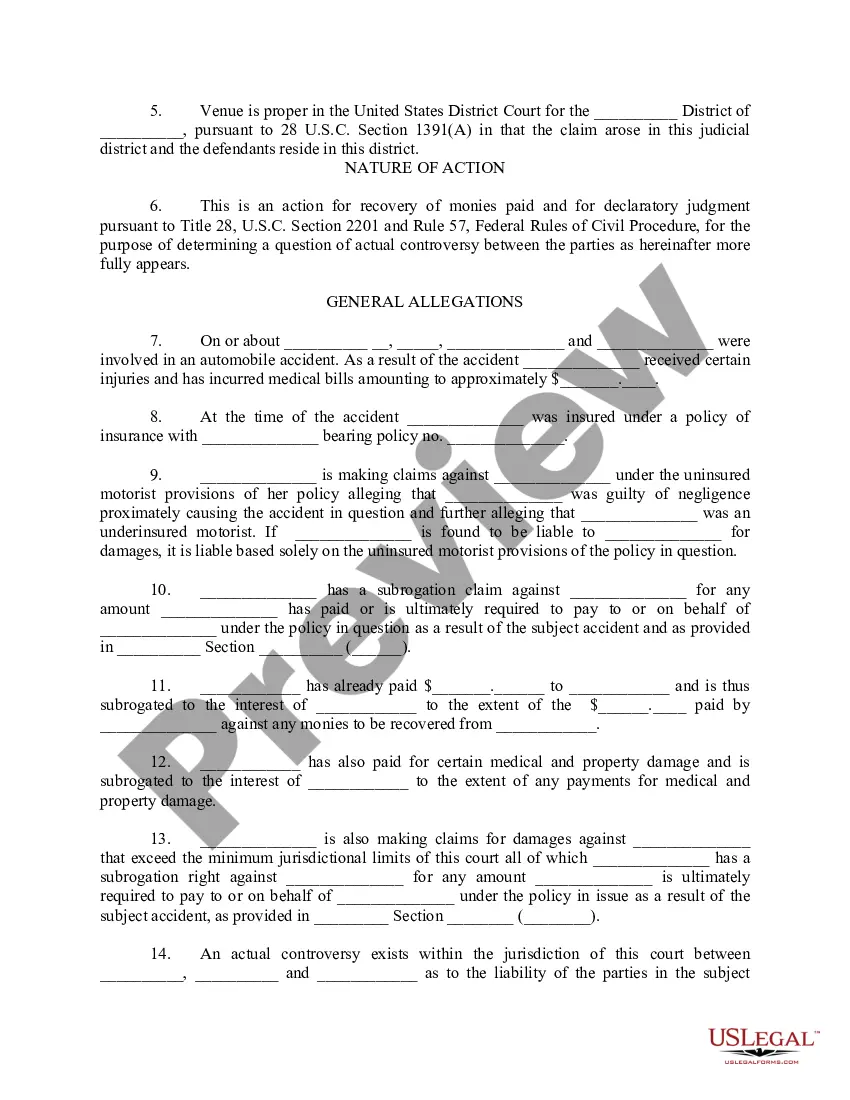
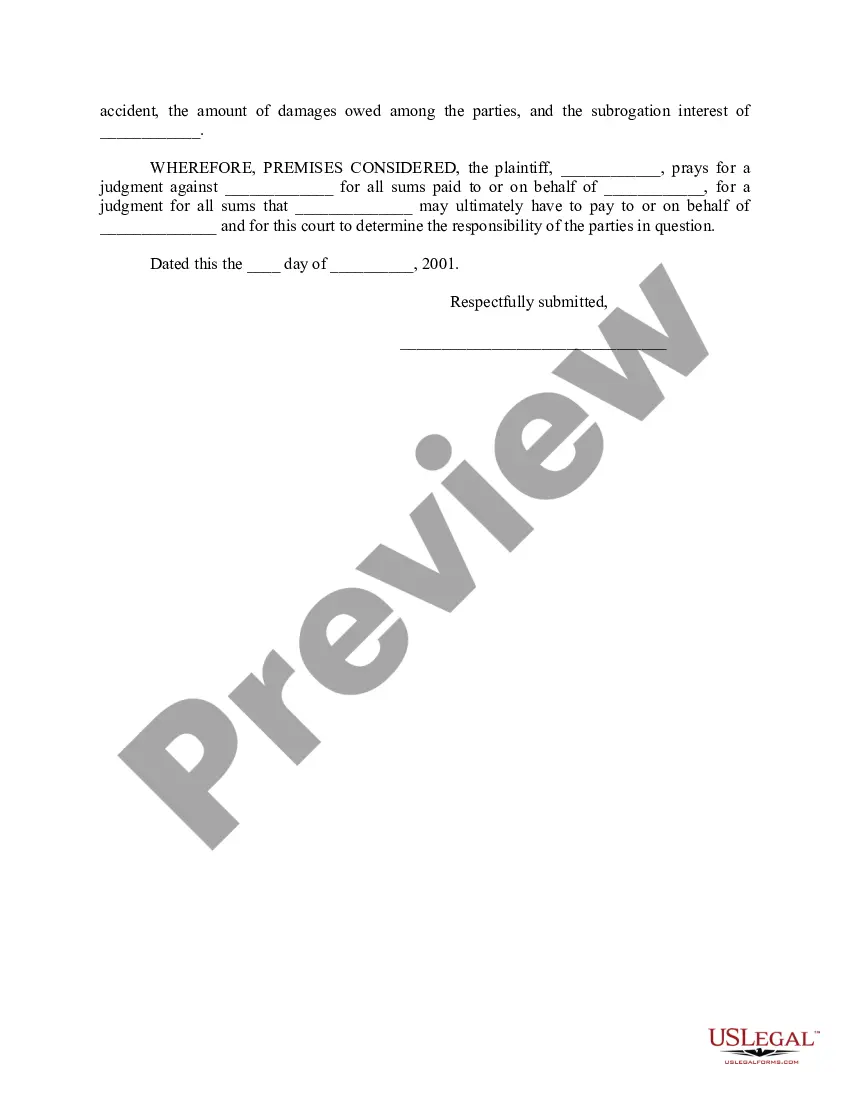



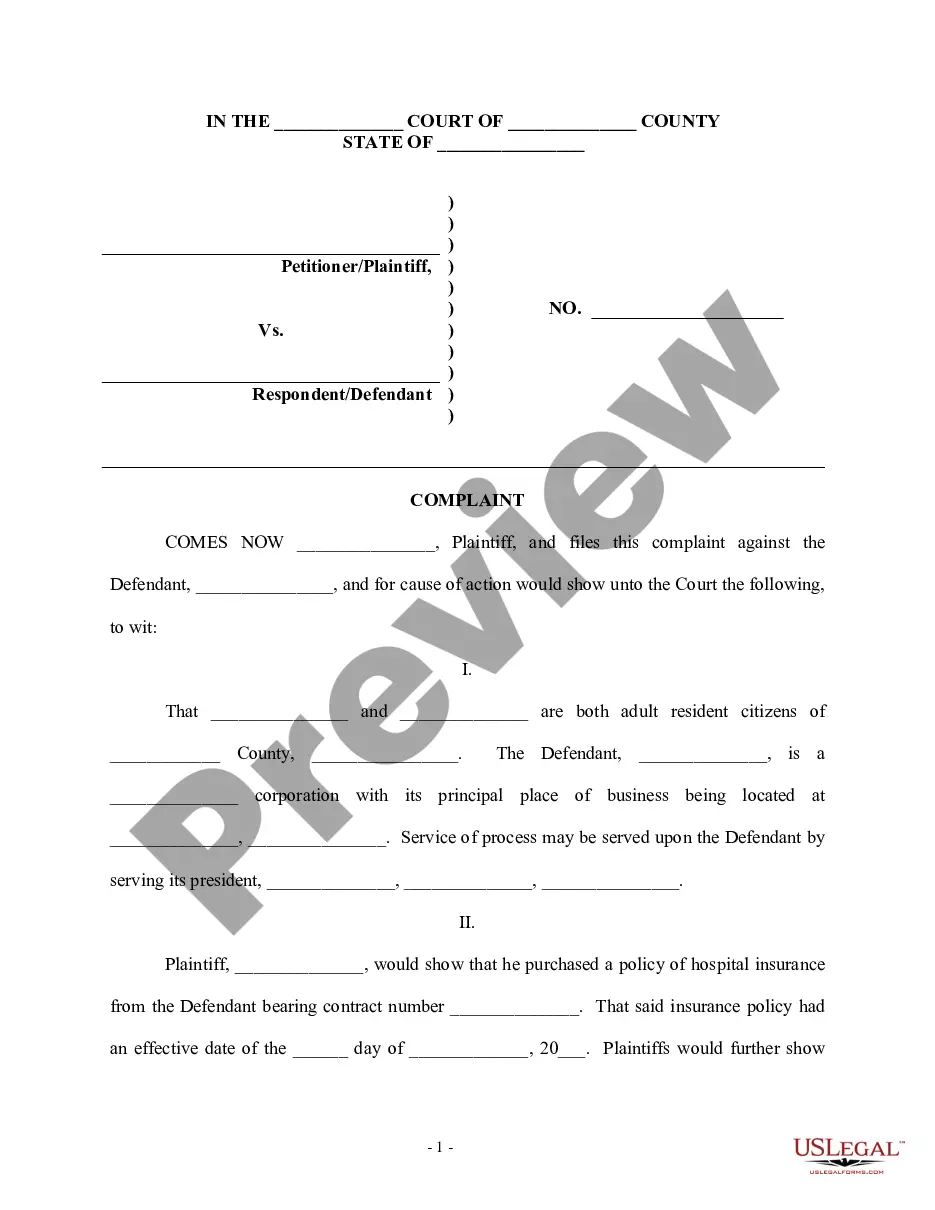
Get your form ready online
Our built-in tools help you complete, sign, share, and store your documents in one place.
Make edits, fill in missing information, and update formatting in US Legal Forms—just like you would in MS Word.
Download a copy, print it, send it by email, or mail it via USPS—whatever works best for your next step.
Sign and collect signatures with our SignNow integration. Send to multiple recipients, set reminders, and more. Go Premium to unlock E-Sign.
If this form requires notarization, complete it online through a secure video call—no need to meet a notary in person or wait for an appointment.
We protect your documents and personal data by following strict security and privacy standards.

Make edits, fill in missing information, and update formatting in US Legal Forms—just like you would in MS Word.

Download a copy, print it, send it by email, or mail it via USPS—whatever works best for your next step.

Sign and collect signatures with our SignNow integration. Send to multiple recipients, set reminders, and more. Go Premium to unlock E-Sign.

If this form requires notarization, complete it online through a secure video call—no need to meet a notary in person or wait for an appointment.

We protect your documents and personal data by following strict security and privacy standards.
Looking for another form?


Form popularity
FAQ
The ideal structure to use is one that explains: the subject of your complaint. your original expectation about the subject. what went wrong. details of any attempts by the other party to put right the problem, and why they did not work. why the fault or error or action affects you so greatly. what compensation you seek.
A formal complaint is a complaint made by an employee, representative of employees, or relative of an employee who has provided their written signature for the complaint. Formal complaints are assigned to a Compliance Officer for inspection.
Informal procedures emphasise resolution rather than factual proof or substantiation of a complaint. Formal procedures focus on proving whether a complaint is substantiated.
A grievance procedure is a formal way for an employee to raise a problem or complaint to their employer. The employee can raise a grievance if: they feel raising it informally has not worked. they do not want it dealt with informally. it's a very serious issue, for example sexual harassment or whistleblowing.
Purpose: The formal complaints procedure is intended to ensure that all complaints are handled fairly, consistently and wherever possible resolved to the complainant's satisfaction.
Dear name of your employer / HR manager/ line manager, I am writing to raise a formal grievance. I have a problem with / complaint about give details. Optional I have evidence in the form of give details. I would be grateful if you could let me know when I can meet you to talk about my grievance.
A formal complaint is a complaint made by an employee, representative of employees, or relative of an employee who has provided their written signature for the complaint. Formal complaints are assigned to a Compliance Officer for inspection.
If you have a problem with goods or services you have purchased from a company we would urge you to write a letter to them to ask for a resolution.
If after speaking to the company or trader directly, you're still not satisfied with their response you can make an official complaint in writing.
