Arrest Without Warrant Texas In Cuyahoga
Description






Get your form ready online
Our built-in tools help you complete, sign, share, and store your documents in one place.
Make edits, fill in missing information, and update formatting in US Legal Forms—just like you would in MS Word.
Download a copy, print it, send it by email, or mail it via USPS—whatever works best for your next step.
Sign and collect signatures with our SignNow integration. Send to multiple recipients, set reminders, and more. Go Premium to unlock E-Sign.
If this form requires notarization, complete it online through a secure video call—no need to meet a notary in person or wait for an appointment.
We protect your documents and personal data by following strict security and privacy standards.
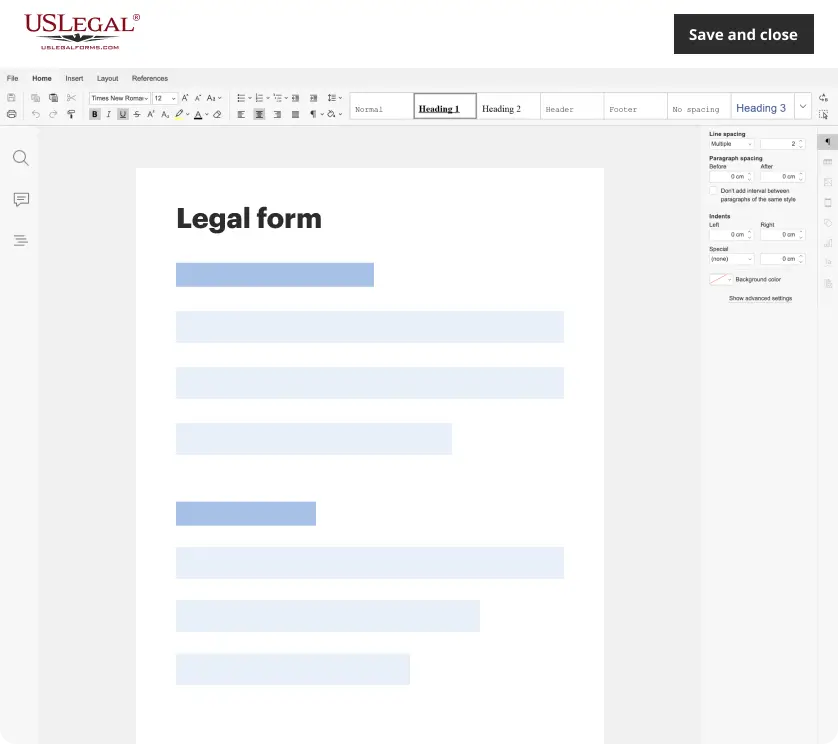
Make edits, fill in missing information, and update formatting in US Legal Forms—just like you would in MS Word.
Download a copy, print it, send it by email, or mail it via USPS—whatever works best for your next step.
Sign and collect signatures with our SignNow integration. Send to multiple recipients, set reminders, and more. Go Premium to unlock E-Sign.

If this form requires notarization, complete it online through a secure video call—no need to meet a notary in person or wait for an appointment.
We protect your documents and personal data by following strict security and privacy standards.
Looking for another form?



Form popularity
FAQ
More than four decades ago, the First District Court of Appeals, based in Houston, defined an extraneous offense as: “… any act or misconduct, whether resulting in prosecution or not, which is not shown in the charging instrument and which was shown to have been committed by the accused.”
A peace officer may arrest, without warrant, when a felony or breach of the peace has been committed in the presence or within the view of a magistrate, and such magistrate verbally orders the arrest of the offender.
Such offenses include minor traffic violations (e.g., speeding, registration issues, seatbelt violations, failure to signal a turn, etc.) and other nonviolent offenses (e.g., noise violations, littering, child support violations, etc.).
Fine-only offenses include: Traffic offenses such as speeding, running a red light, or failure to yield. They also include driving-related violations like a first offense of driving with an invalid license, driving with defective equipment, driving without insurance, or having an expired registration.
Hot pursuit: Officers can arrest and search individuals who are suspected of committing a felony. For the pursuit, officers can enter any property to search and seize evidence without warrants.
Yes, if an officer has probable cause to believe someone has committed a crime, they can arrest them without a search or arrest warrant'. Normally the consequence is that that person can be brought to and booked into a jail.
Ing to the Texas Transportation Code 543.004(a) you can't be arrested for speeding, having an open container of alcohol, or texting while driving .
Texas law states: “A peace officer or any other person, may, without a warrant, arrest an offender when the offense is committed in his presence or within his view, if the offense is one classed as a felony or as an offense against the public peace.” That means a citizen can make an arrest if they see a felony or a ...
An officer is authorized to make a warrantless arrest when: a. Verbally ordered by a magistrate, b. The officer finds a person in a suspicious place and under circumstances that give the officer probable cause to believe that such person: 1) Has committed a felony.
Understanding the Warrant Requirement Exceptions to the Warrant Requirement. Consent to a Search. Search Incident to Arrest. Plain View Doctrine. Exigent Circumstances. Hot Pursuit. Vehicles and Probable Cause. Probable Cause in Vehicle Searches.
