False Jury For Criminal Cases In Georgia
Description






Get your form ready online
Our built-in tools help you complete, sign, share, and store your documents in one place.
Make edits, fill in missing information, and update formatting in US Legal Forms—just like you would in MS Word.
Download a copy, print it, send it by email, or mail it via USPS—whatever works best for your next step.
Sign and collect signatures with our SignNow integration. Send to multiple recipients, set reminders, and more. Go Premium to unlock E-Sign.
If this form requires notarization, complete it online through a secure video call—no need to meet a notary in person or wait for an appointment.
We protect your documents and personal data by following strict security and privacy standards.
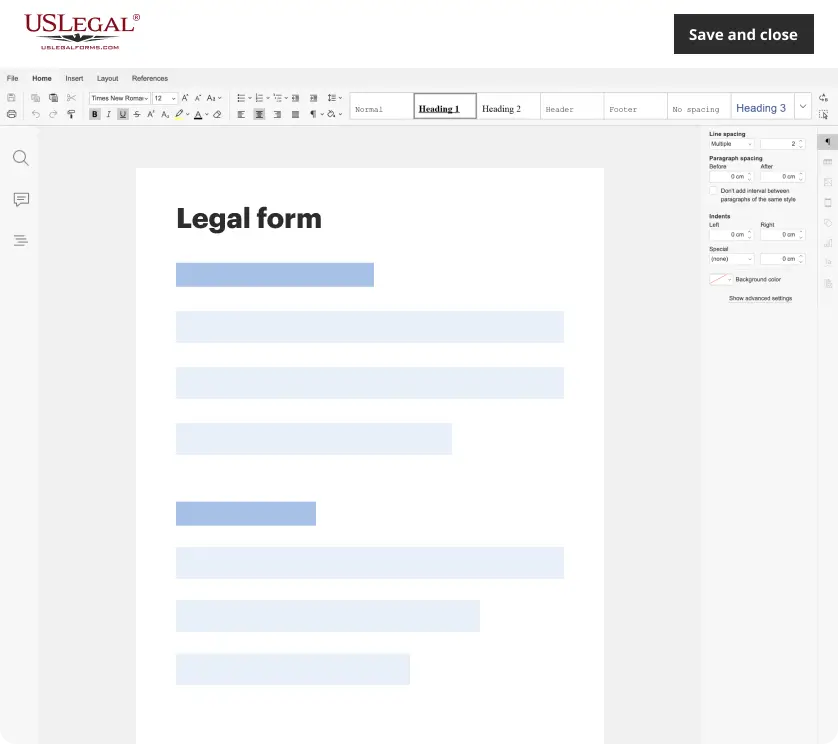
Make edits, fill in missing information, and update formatting in US Legal Forms—just like you would in MS Word.
Download a copy, print it, send it by email, or mail it via USPS—whatever works best for your next step.
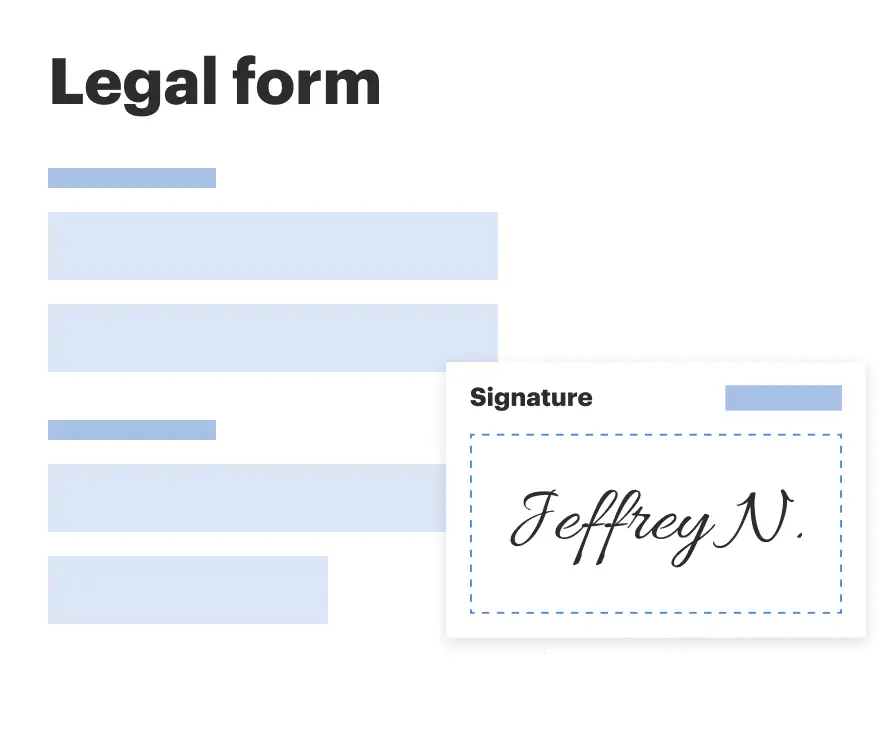
Sign and collect signatures with our SignNow integration. Send to multiple recipients, set reminders, and more. Go Premium to unlock E-Sign.
If this form requires notarization, complete it online through a secure video call—no need to meet a notary in person or wait for an appointment.
We protect your documents and personal data by following strict security and privacy standards.
Looking for another form?
Form popularity
FAQ
A person who knowingly and willfully falsifies, conceals, or covers up by any trick, scheme, or device a material fact; makes a false, fictitious, or fraudulent statement or representation; or makes or uses any false writing or document, knowing the same to contain any false, fictitious, or fraudulent statement or ...
898, 262 S.E.2d 151 (1979). After dispersal of the jury a judge has no power to add to or take from the jury's findings, and has not the power, by amendment or reformation, to supply substantial omissions or make substantial changes in the verdict as rendered by the jury.
The “exclusionary rule” prohibits the State from using unlawfully obtained evidence to prosecute someone, serving as a critical tool for promoting law enforcement compliance with the Constitution.
The judge may grant a judgment as a matter of law (JMOL) if it appears there is no issue of material fact for a jury to decide. A judge can deliver both these judgments, but they can't set aside an acquittal in a criminal case. Once a jury has rendered a not-guilty verdict, the judge can't overturn it.
Relevant evidence may be excluded if its probative value is substantially outweighed by the danger of unfair prejudice, confusion of the issues, or misleading the jury or by considerations of undue delay, waste of time, or needless presentation of cumulative evidence.
Georgia's 13th juror statute gives judges the power to essentially throw out a jury's guilty verdict if they believe the jury got it wrong, but Barbara says the judge has not revealed his reasoning.
The jury is the fact-finder, but it is left to "find" facts only from the evidence which is legally admissible. The judge instructs the jury on the legal principles or rules that must be followed in weighing the facts. If the jury finds the accused guilty or liable, it is up to the judge to sentence the defendant.
Lawyers and judges select juries by a process known as "voir dire," which is Latin for "to speak the truth." In voir dire (pronounced "vwar deer"), the judge and attorneys for both sides ask potential jurors questions to determine if they are competent and suitable to serve in the case.
A person convicted of the offense of criminal conspiracy to commit a felony shall be punished by imprisonment for not less than one year nor more than one-half the maximum period of time for which he could have been sentenced if he had been convicted of the crime conspired to have been committed, by one-half the ...
§16-10-26. A person convicted of false report of a crime in Georgia will be charged with a misdemeanor. In Georgia, misdemeanor charges carry up to $1,000 in fines or up to one year in jail or both.