False Us Foreign Policy In Harris
Description






Get your form ready online
Our built-in tools help you complete, sign, share, and store your documents in one place.
Make edits, fill in missing information, and update formatting in US Legal Forms—just like you would in MS Word.
Download a copy, print it, send it by email, or mail it via USPS—whatever works best for your next step.
Sign and collect signatures with our SignNow integration. Send to multiple recipients, set reminders, and more. Go Premium to unlock E-Sign.
If this form requires notarization, complete it online through a secure video call—no need to meet a notary in person or wait for an appointment.
We protect your documents and personal data by following strict security and privacy standards.
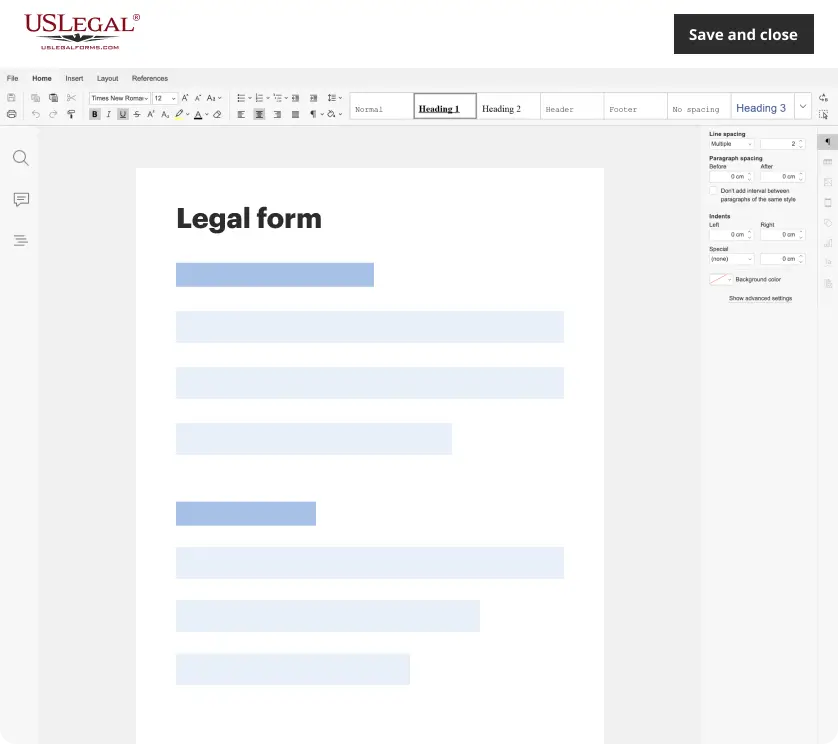
Make edits, fill in missing information, and update formatting in US Legal Forms—just like you would in MS Word.
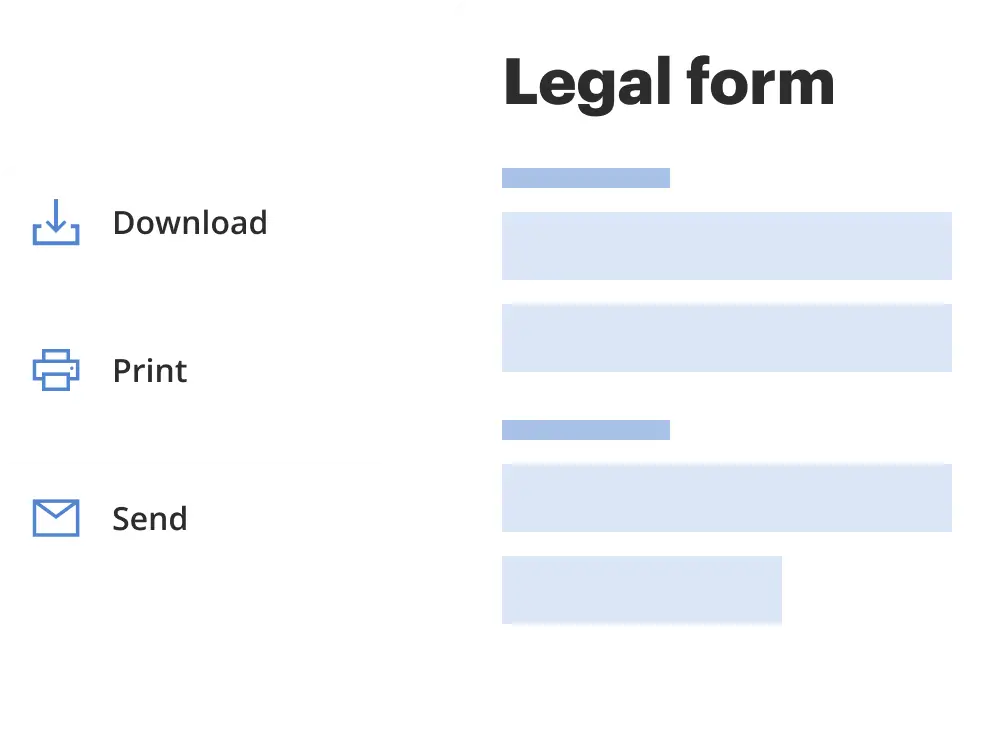
Download a copy, print it, send it by email, or mail it via USPS—whatever works best for your next step.
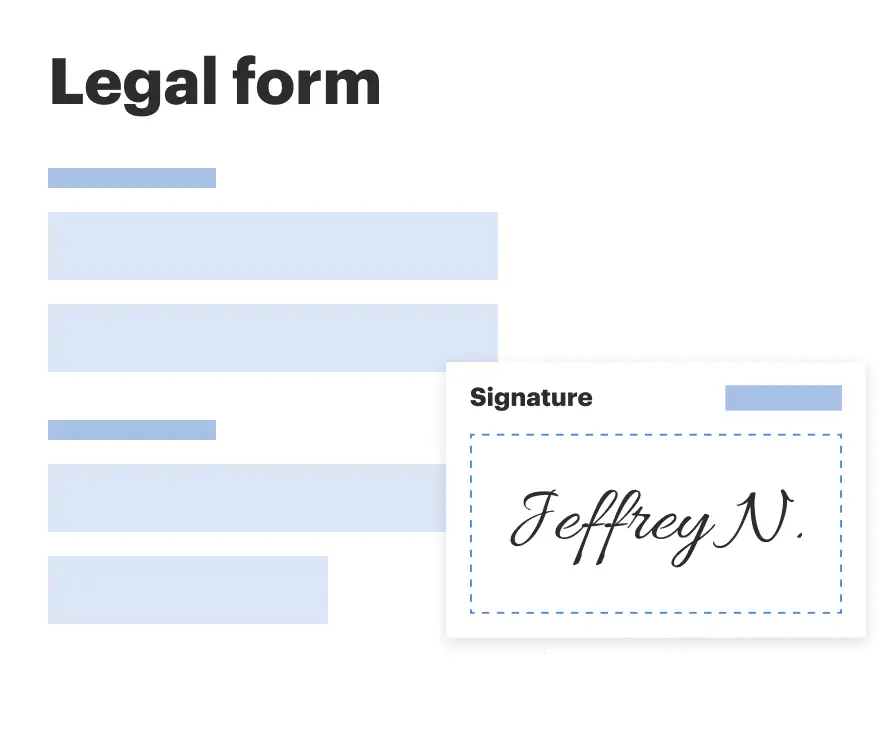
Sign and collect signatures with our SignNow integration. Send to multiple recipients, set reminders, and more. Go Premium to unlock E-Sign.
If this form requires notarization, complete it online through a secure video call—no need to meet a notary in person or wait for an appointment.
We protect your documents and personal data by following strict security and privacy standards.
Looking for another form?
Form popularity
FAQ
The President As head of government, he formulates foreign policy, supervises its implementation and attempts to obtain the resources to support it. He also organizes and directs the departments and agencies that play a part in the foreign policy process.
The Department of State (DOS) advises the President and leads the nation in foreign policy issues. The State Department negotiates treaties and agreements with foreign entities and represents the United States at the United Nations.
The United States Constitution divides the foreign policy powers between the President and Congress so that both share in the making of foreign policy. The executive and legislative branches each play important roles that are different but that often overlap.
The Policymaking Machinery Making foreign policy requires the participation of the President, the executive branch, Congress and the public. Conducting foreign policy, on the other hand, is the exclusive prerogative of the President and his subordinates in the executive branch.
Anti-Corruption and Transparency. Arms Control and Nonproliferation. Climate and Environment. Climate Crisis. Combating Drugs and Crime. Countering Terrorism. Cyber Issues. Economic Prosperity and Trade Policy.
The Department of State (DOS) advises the President and leads the nation in foreign policy issues. The State Department negotiates treaties and agreements with foreign entities and represents the United States at the United Nations.
Foreign policy development. Article Two of the United States Constitution grants power of foreign policy to the President of the United States, including powers to command the military, negotiate treaties, and appoint ambassadors. The Department of State carries out the president's foreign policy.
States were able to conduct their own foreign policies. Technically, that role fell to the central government, but the Confederation government didn't have the physical ability to enforce that power, since it lacked domestic and international powers and standing.
Much of American foreign policy consists of international agreements made with other countries. Treaties are governed by the Treaty Clause of the United States Constitution. This clause dictates that the president negotiates treaties with other countries or political entities, and signs them.
These types are trade, diplomacy, sanctions, military/defense, intelligence, foreign aid, and global environmental policy.