Complaint False Imprisonment With Violence In Tarrant
Description






Get your form ready online
Our built-in tools help you complete, sign, share, and store your documents in one place.
Make edits, fill in missing information, and update formatting in US Legal Forms—just like you would in MS Word.
Download a copy, print it, send it by email, or mail it via USPS—whatever works best for your next step.
Sign and collect signatures with our SignNow integration. Send to multiple recipients, set reminders, and more. Go Premium to unlock E-Sign.
If this form requires notarization, complete it online through a secure video call—no need to meet a notary in person or wait for an appointment.
We protect your documents and personal data by following strict security and privacy standards.
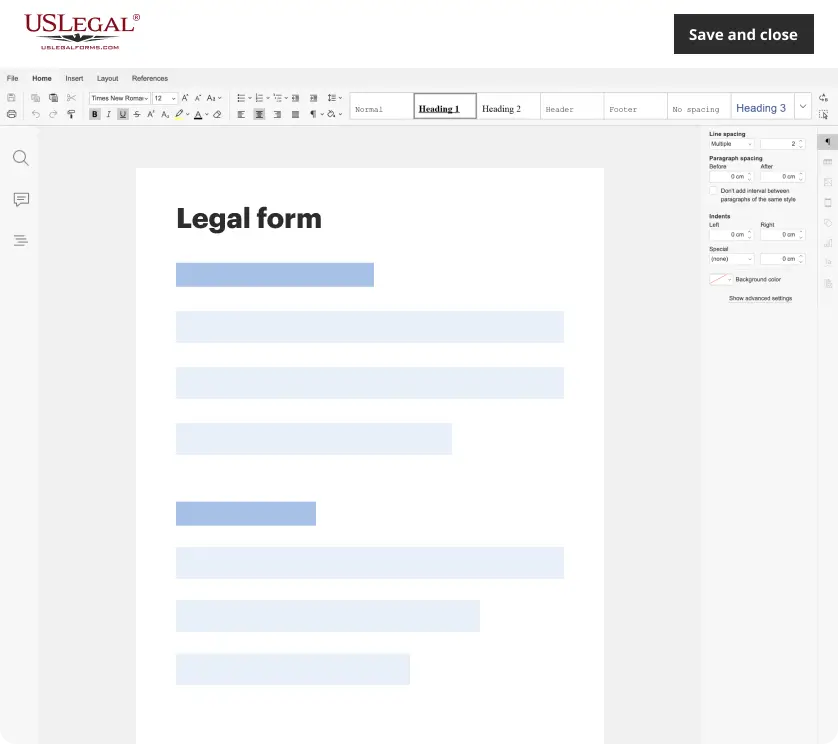
Make edits, fill in missing information, and update formatting in US Legal Forms—just like you would in MS Word.

Download a copy, print it, send it by email, or mail it via USPS—whatever works best for your next step.
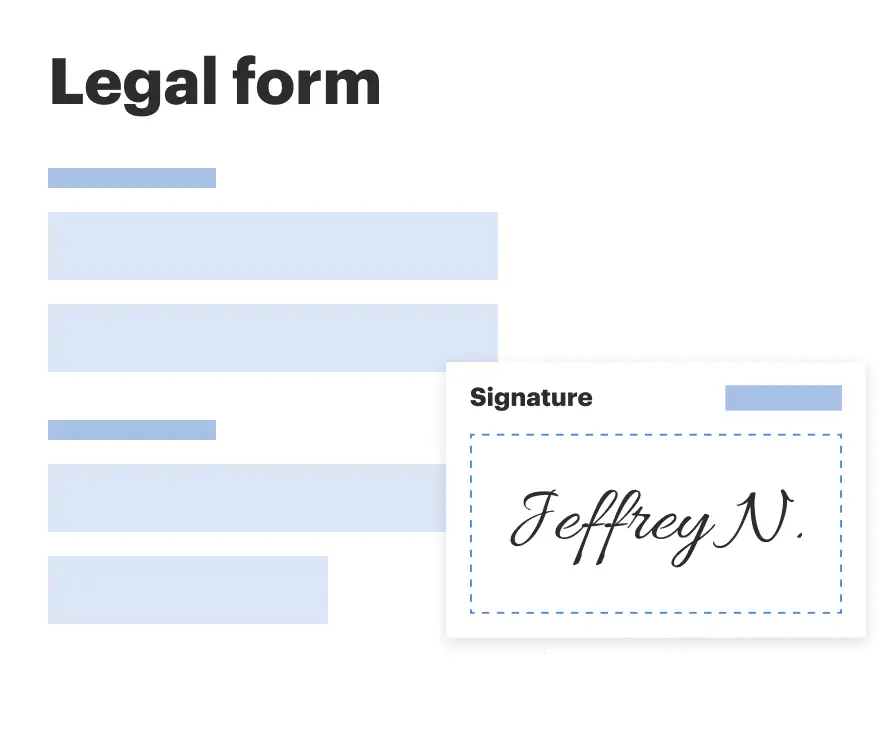
Sign and collect signatures with our SignNow integration. Send to multiple recipients, set reminders, and more. Go Premium to unlock E-Sign.

If this form requires notarization, complete it online through a secure video call—no need to meet a notary in person or wait for an appointment.

We protect your documents and personal data by following strict security and privacy standards.
Looking for another form?

Form popularity
FAQ
An officer of the law makes a false arrest. Or a person was physically holding someone in place or preventing them from leaving. Countless other scenarios may be considered false imprisonment as long as the detention is without consent and is both willful and unlawful.
With the advent of DNA testing, Texas has discovered that it has imprisoned many innocent people. When the false imprisonment is due to violations of due process, victims have the right to bring a federal lawsuit. Jeff is one of the few lawyers in Texas to have successfully brought such a claim.
While falsely imprisoning someone is a criminal offense, it can also be brought in civil court to compensate the victim for any harm the perpetrator does.
The misdemeanor offense of false imprisonment under California Penal Code Section 237(a) PC requires a prosecutor to establish the following elements: The defendant intentionally and unlawfully restrained, detained or confined another person. The defendant made the person stay or go somewhere against that person's will ...
The most common defense is consent. In other words, the victim voluntarily agreed to being confined.
Criminal complaints are normally first started with the application for a complaint, along with an affidavit by the complainant, which is titled an affidavit of probable cause. The judge examines the statements in the application and affidavit.
Criminal complaints are normally first started with the application for a complaint, along with an affidavit by the complainant, which is titled an affidavit of probable cause. The judge examines the statements in the application and affidavit.
What Is a Criminal "Complaint"? the defendant. the date of the alleged offenses. the alleged offenses (including the relevant statutes, and whether the violations are misdemeanors or felonies), and. some kind of description of the alleged facts underlying those offenses.
Complain about a local, county, or state prison File a formal complaint first directly with the correctional facility. If the issue remains unsolved, complain to the state department of corrections. Contact your governor if the prison and the department of corrections still have not addressed your complaint.
Sometimes citizens desire to file a criminal complaint directly with the Justice Court. You will be required to complete a sworn affidavit and supply the names and addresses of the defendant and any witnesses. The District Attorney will have to prosecute the complaint on your behalf.
