Patent Without Stenosis Meaning In North Carolina
Description

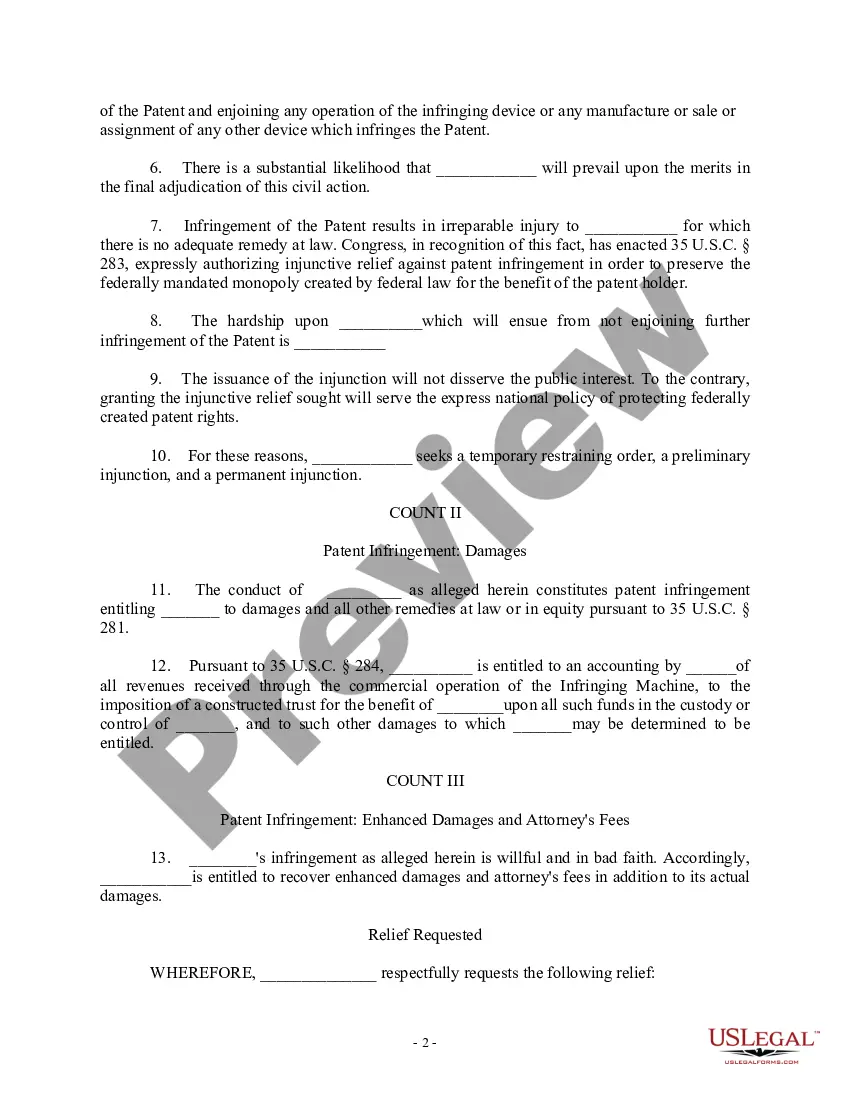
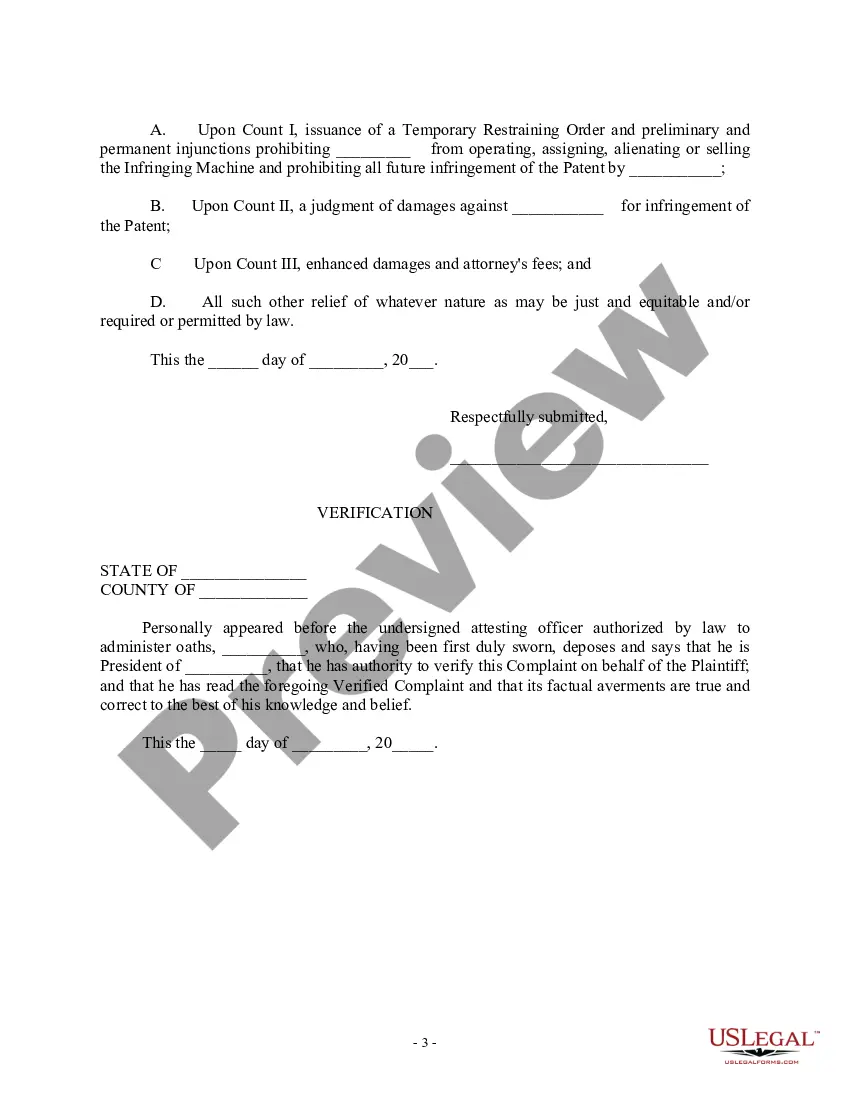
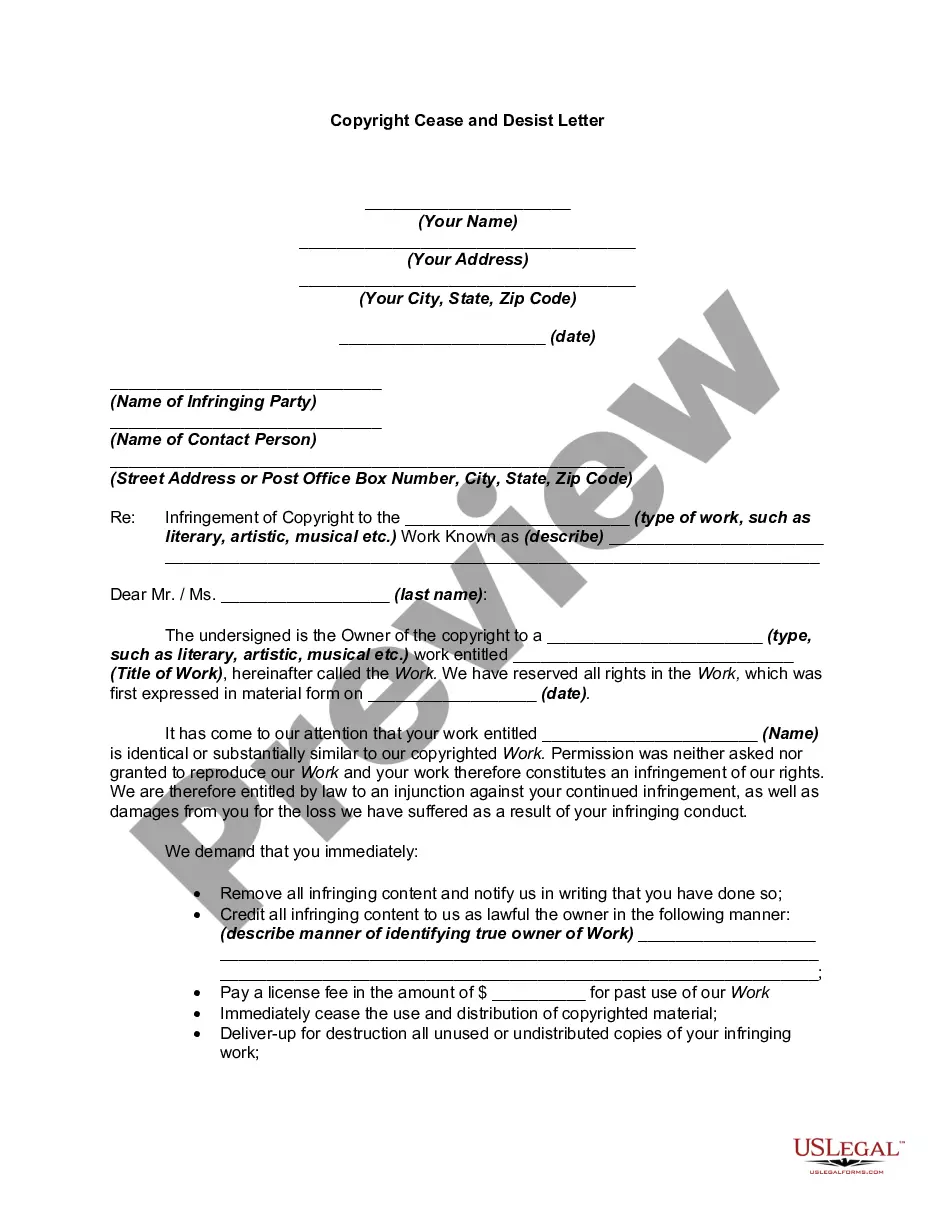
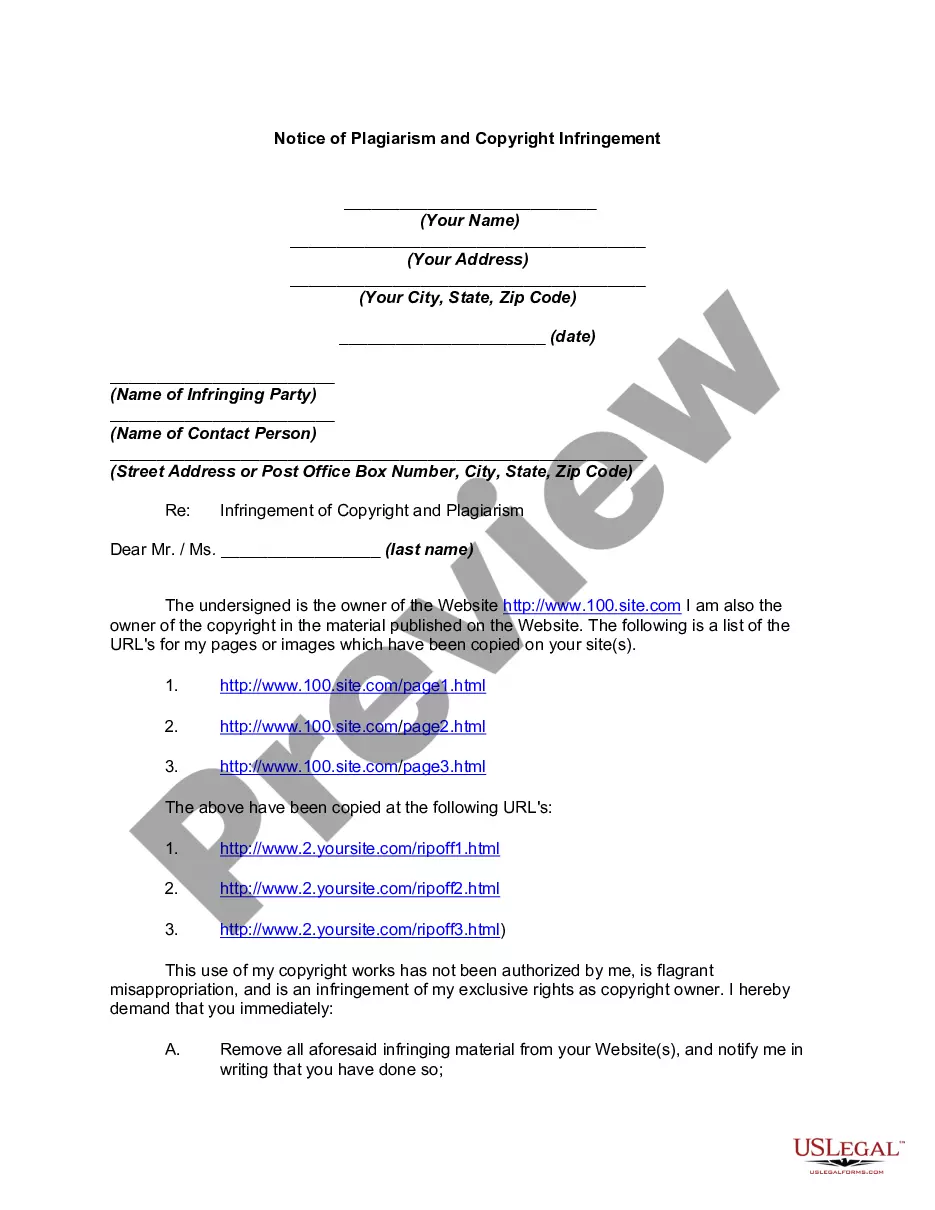
Get your form ready online
Our built-in tools help you complete, sign, share, and store your documents in one place.
Make edits, fill in missing information, and update formatting in US Legal Forms—just like you would in MS Word.
Download a copy, print it, send it by email, or mail it via USPS—whatever works best for your next step.
Sign and collect signatures with our SignNow integration. Send to multiple recipients, set reminders, and more. Go Premium to unlock E-Sign.
If this form requires notarization, complete it online through a secure video call—no need to meet a notary in person or wait for an appointment.
We protect your documents and personal data by following strict security and privacy standards.

Make edits, fill in missing information, and update formatting in US Legal Forms—just like you would in MS Word.

Download a copy, print it, send it by email, or mail it via USPS—whatever works best for your next step.

Sign and collect signatures with our SignNow integration. Send to multiple recipients, set reminders, and more. Go Premium to unlock E-Sign.

If this form requires notarization, complete it online through a secure video call—no need to meet a notary in person or wait for an appointment.

We protect your documents and personal data by following strict security and privacy standards.
Looking for another form?

Form popularity
FAQ
Utility patents must meet three statutory requirements under 35 U.S.C. § 101 to be considered patentable subject matter: The Invention Must Be New. The Invention Must Be Non-Obvious. The Invention Must Be Useful.
There are five requirements that must be met to obtain a patent: patentable subject matter, utility, novelty, nonobviousness and enablement. This post will provide a general overview of this topic, but as always, this post is for educational purposes only and does not contain legal advice.
Requirements for a Patent: Utility, Novelty, and Non-obviousness. This content is meant to serve as a quick reference for inventors and technology managers. It is based on frequently asked questions and the basic requirements for patenting inventions.
A grade of patent without stenosis was given to any vessel displaying no or only minor disturbances in color-flow characteristics and no stenoses of ≥50%. A grade of patent with stenosis was assigned to any vessel displaying moderate or severe disturbances in color-flow characteristics and a stenosis of ≥50%.
The word "patent" means open. The ductus arteriosus is a blood vessel that allows blood to go around the baby's lungs before birth. Soon after the infant is born and the lungs fill with air, the ductus arteriosus is no longer needed.
The word "patent" means open. The ductus arteriosus is a blood vessel that allows blood to go around the baby's lungs before birth. Soon after the infant is born and the lungs fill with air, the ductus arteriosus is no longer needed.
The portal vein is the primary route for blood to flow into the liver. It being patent means there's no clot and blood is flowing freely through the vessel.
There are three types of patents: utility, design and plant. Utility and plant patent applications can be provisional and nonprovisional. Provisional applications may not be filed for design inventions.
Some examples of design patents include ornamental designs on jewelry, automobiles or furniture, as well as packaging, fonts, and computer icons (such as emojis). Some famous design patent objects include the original curvy Coca-Cola bottle (1915) and the Statue of Liberty (1879).
