Patent With Hepatopetal Flow In San Diego
Description

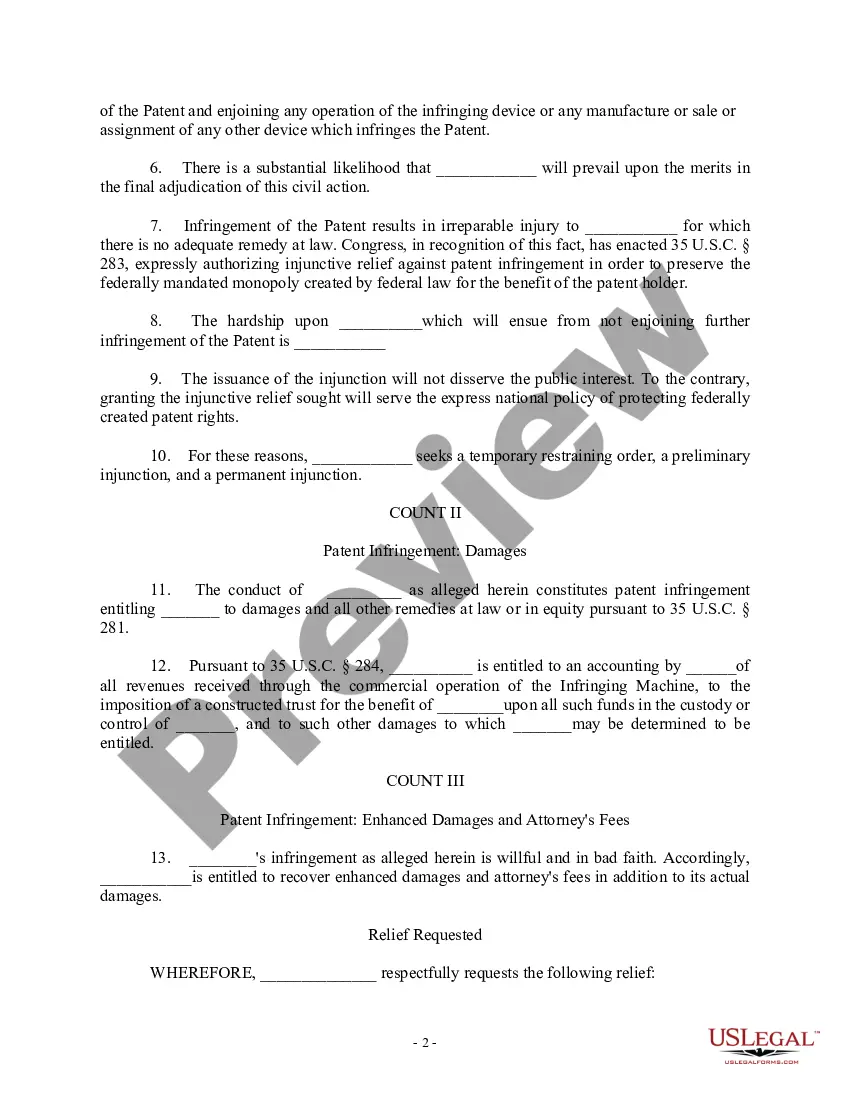
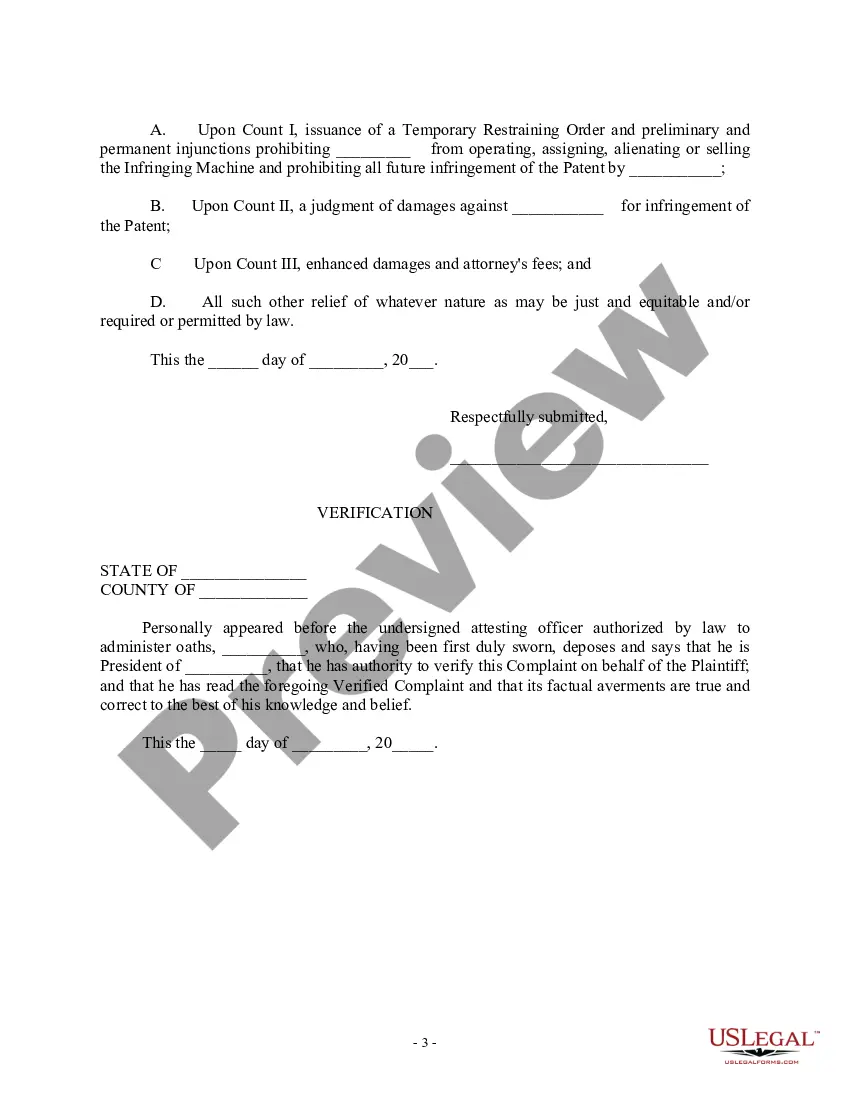
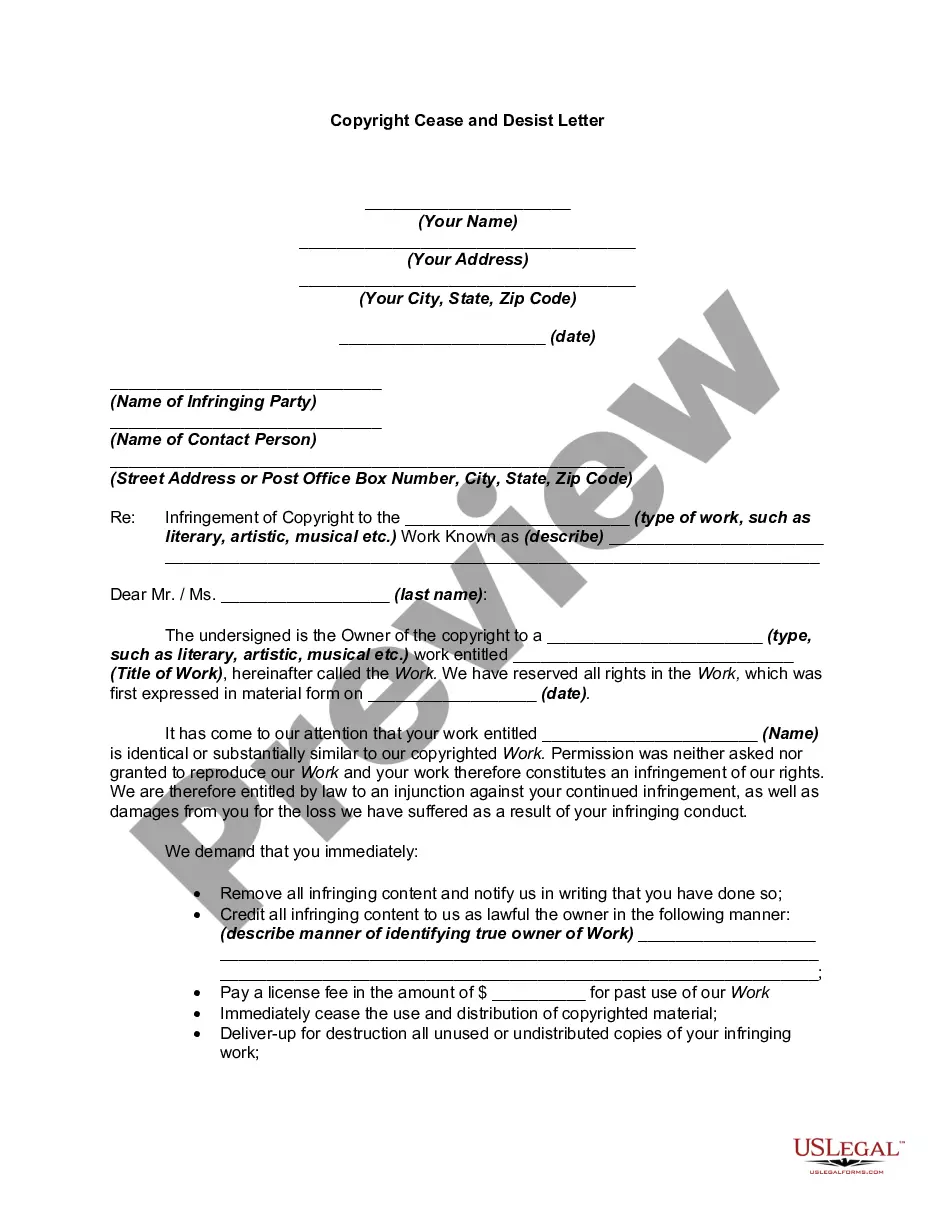
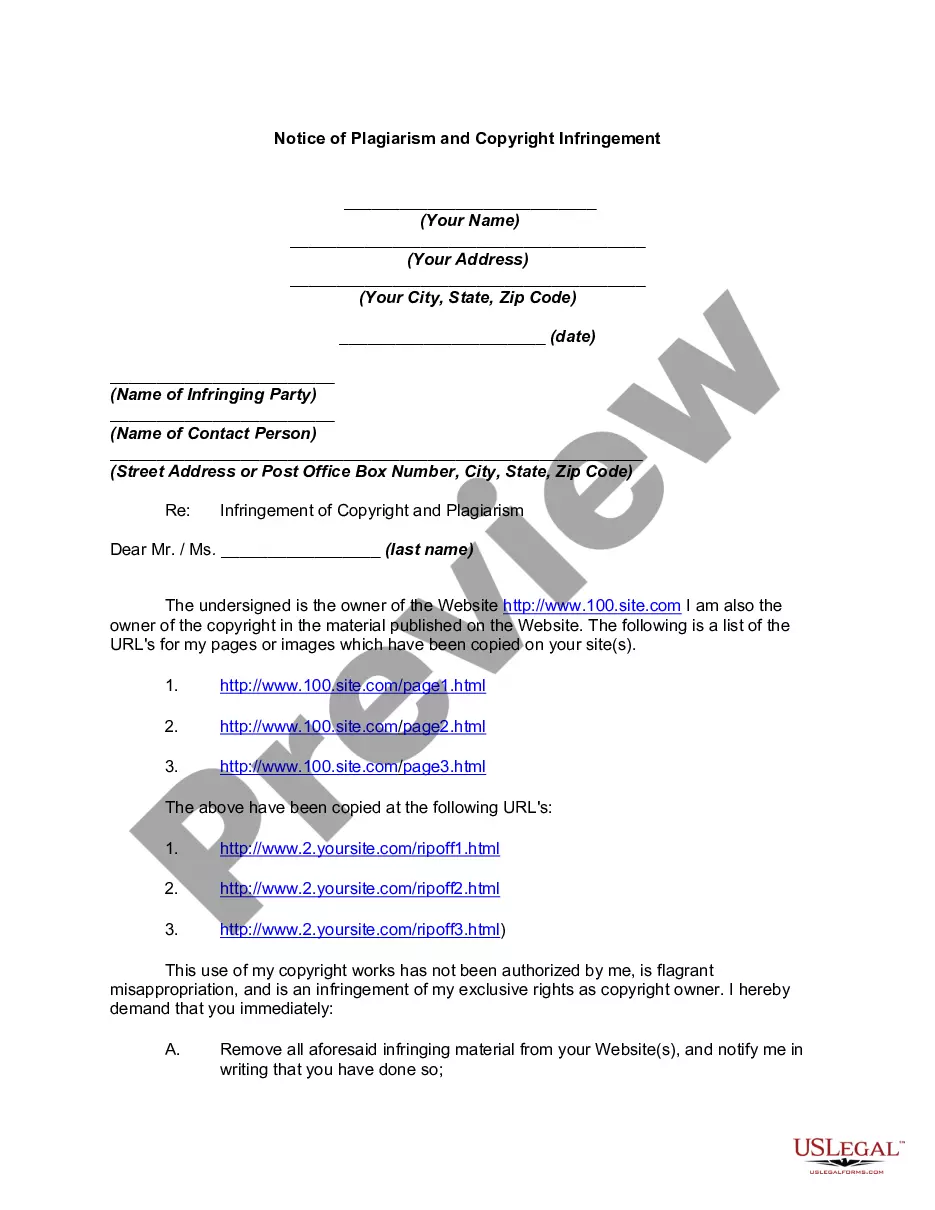
Get your form ready online
Our built-in tools help you complete, sign, share, and store your documents in one place.
Make edits, fill in missing information, and update formatting in US Legal Forms—just like you would in MS Word.
Download a copy, print it, send it by email, or mail it via USPS—whatever works best for your next step.
Sign and collect signatures with our SignNow integration. Send to multiple recipients, set reminders, and more. Go Premium to unlock E-Sign.
If this form requires notarization, complete it online through a secure video call—no need to meet a notary in person or wait for an appointment.
We protect your documents and personal data by following strict security and privacy standards.

Make edits, fill in missing information, and update formatting in US Legal Forms—just like you would in MS Word.

Download a copy, print it, send it by email, or mail it via USPS—whatever works best for your next step.

Sign and collect signatures with our SignNow integration. Send to multiple recipients, set reminders, and more. Go Premium to unlock E-Sign.

If this form requires notarization, complete it online through a secure video call—no need to meet a notary in person or wait for an appointment.

We protect your documents and personal data by following strict security and privacy standards.
Looking for another form?

Form popularity
FAQ
No, the use of an attorney or registered agent is not required for filing a patent application. However, an attorney or registered agent is often a useful resource and the USPTO recommends the use of such for preparing a patent application and conducting the proceedings in the USPTO.
No, you don't need to hire a patent attorney. You can do the patent application for a United States Patent yourself, but remember that writing patent applications is a specialized skill, and there is a 50% rejection rate.
U.S. Patent and Trademark Office (USPTO)
The five primary requirements for patentability are: (1) patentable subject matter; (2) utility; (3) novelty; (4) non-obviousness; and (5) enablement. Like trademarks, patents are territorial, meaning they are enforceable in a specific geographic area.
Requirements for filing a provisional application: A detailed written description of the invention including drawings. Title of the invention. Name(s) of all inventors. Inventor(s) residence(s) Name and registration number of attorney or agent and docket number (if applicable) Correspondence address.
A provisional patent application number will start with either 60, 61 or 62, and followed by the 6 digit serial number. Different types of patents will start with different serial numbers. For example, design patents start with the 29 as the serial number.
Describe the Invention with Precision and Clarity Ensure the title clearly defines the invention. Discuss the operation of the invention in detail. Refer to the drawings and specify their relevance to the description. Comply with the guidelines of the Patent Office regarding format and content.
A provisional patent application (PPA) is a document issued by the U.S. Patent and Trademark Office (USPTO) that helps protect a new invention from being copied during the 12-month period before a formal patent application is filed.
Explain your Invention – Describe the way it looks: Describe what it does: Describe each step in the process of how it is used: Describe why it works: Describe the Benefits of using your invention: Describe different ways of making your invention: Use Lot of Pictures:
Explain your Invention – Describe the way it looks: Describe what it does: Describe each step in the process of how it is used: Describe why it works: Describe the Benefits of using your invention: Describe different ways of making your invention: Use Lot of Pictures:
