Trade Practices Examples In Allegheny
Description

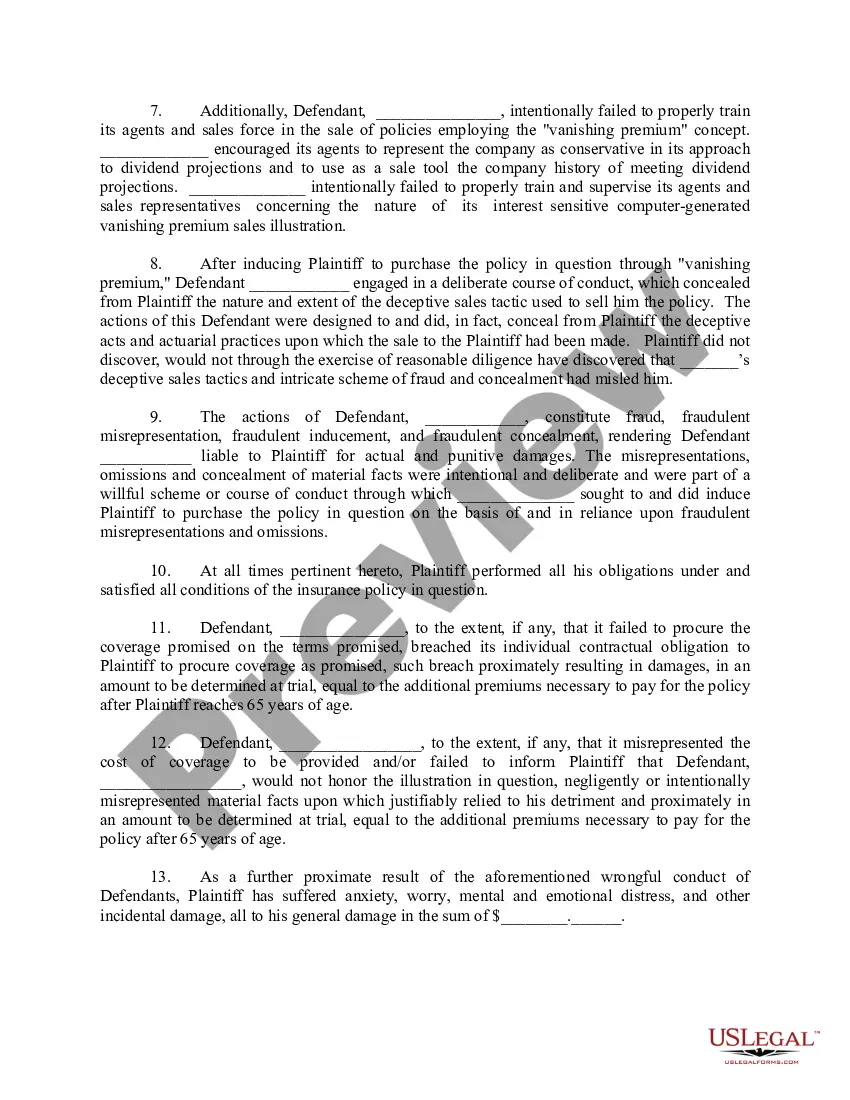
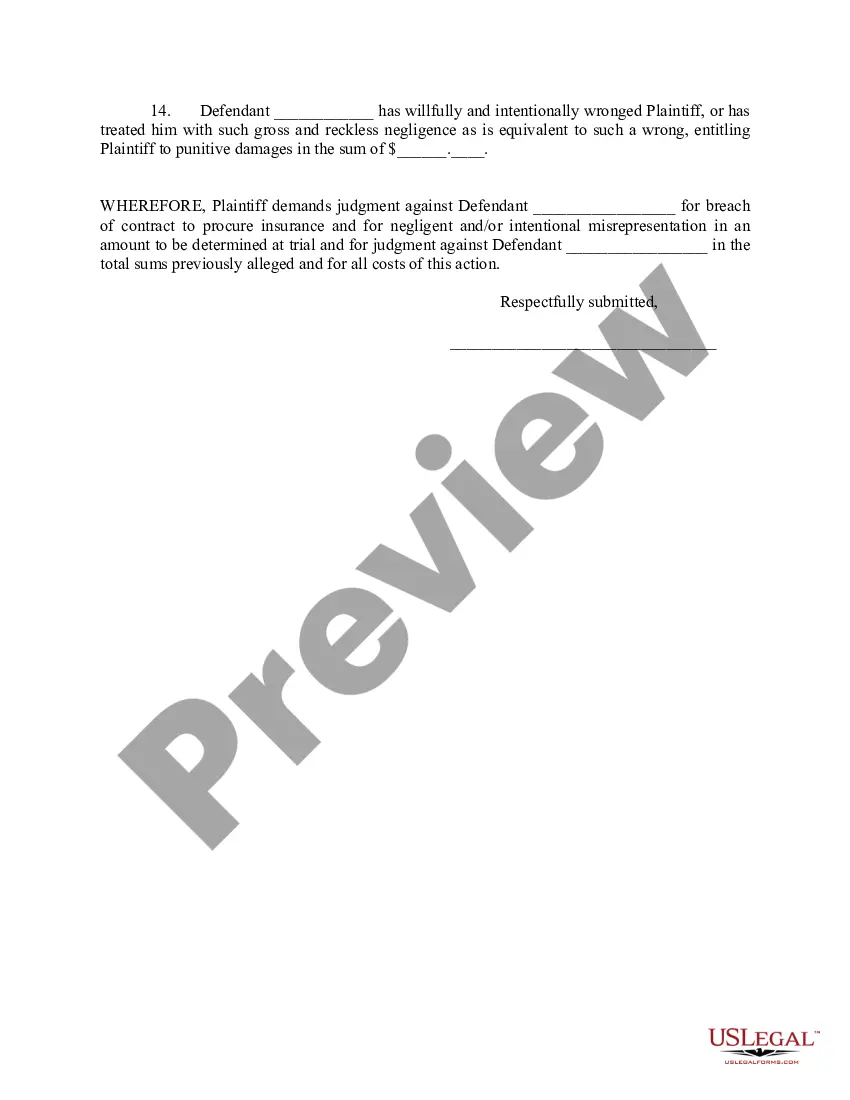

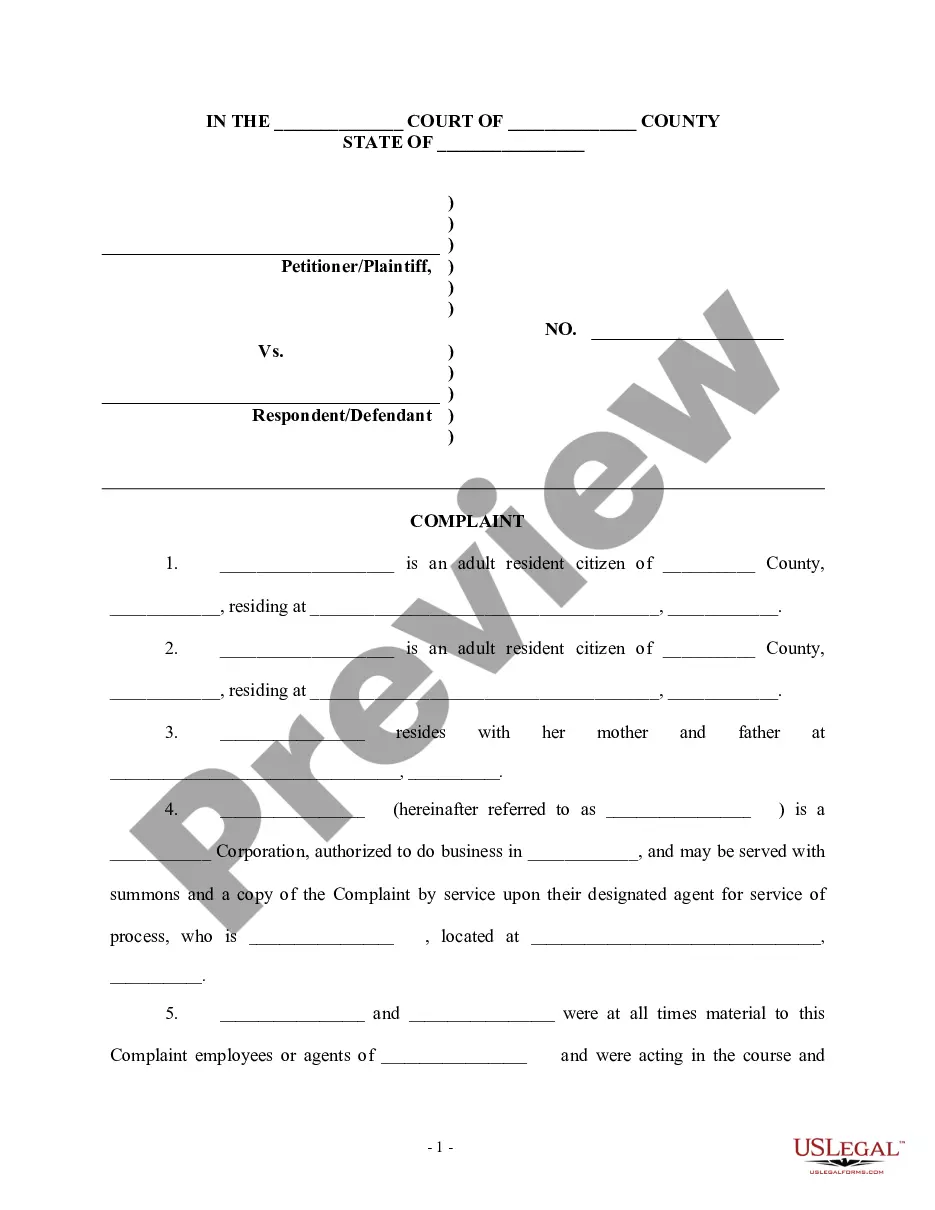

Get your form ready online
Our built-in tools help you complete, sign, share, and store your documents in one place.
Make edits, fill in missing information, and update formatting in US Legal Forms—just like you would in MS Word.
Download a copy, print it, send it by email, or mail it via USPS—whatever works best for your next step.
Sign and collect signatures with our SignNow integration. Send to multiple recipients, set reminders, and more. Go Premium to unlock E-Sign.
If this form requires notarization, complete it online through a secure video call—no need to meet a notary in person or wait for an appointment.
We protect your documents and personal data by following strict security and privacy standards.

Make edits, fill in missing information, and update formatting in US Legal Forms—just like you would in MS Word.

Download a copy, print it, send it by email, or mail it via USPS—whatever works best for your next step.

Sign and collect signatures with our SignNow integration. Send to multiple recipients, set reminders, and more. Go Premium to unlock E-Sign.

If this form requires notarization, complete it online through a secure video call—no need to meet a notary in person or wait for an appointment.

We protect your documents and personal data by following strict security and privacy standards.
Looking for another form?





Form popularity
FAQ
How do I change my name on the deed? The Allegheny County Real Estate Office handles owner name changes, please call 412-350-4226. Please note, if any changes are made to the deed you must reapply for any programs (i.e., Homestead, Senior Citizen Tax Relief).
The Public Defender offers skilled, aggressive, and passionate advocacy in order to preserve the rights guaranteed to all. Apply online for a Public Defender. Find Your Case. Call 412-350-4200.
Civil lawsuits occur when individuals have a disagreement involving what legal responsibilities they may or may not have with each other. Criminal lawsuits, however, involve felonies and misdemeanors — specific crimes with punishment attached.
The statute of limitations for a UTPCPL claim is six years, which means that a consumer must file a claim pursuant to the statute within six years from the date that an alleged wrongdoing occurred.
Section 201-2 prohibits false advertising.
First, the UTPCPL is not subject to the relatively short two-year statute of limitations applicable to common law fraud claims, thereby allowing a plaintiff to pursue what is in essence a claim for fraud so long as he files within the six-year limitations period applicable to UTPCPL claims.
Generally speaking, in Pennsylvania, there is a two-year statute of limitations that applies to any civil action in which an individual seeks to recover damages for personal injuries, or for the death of an individual, caused by the wrongful act or negligence of another person.
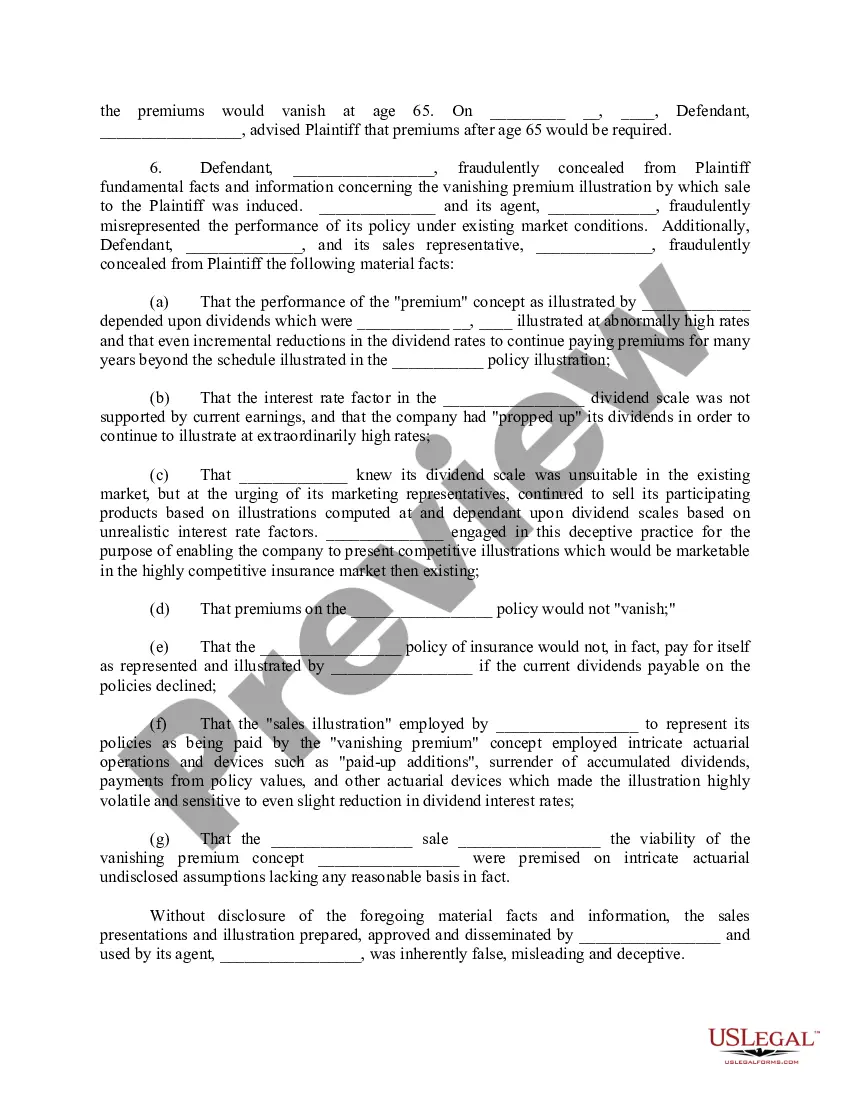
(These practices are commonly called misleading or unfair business practices.) They include false advertising, misrepresentation, tied selling, and failing to comply with regulations. Under consumer protection laws, they are illegal and can lead to compensatory or punitive damages.
Click Here to Call (412) 781-0525 Now! If a contractor is licensed in Pennsylvania, homeowners can file a complaint with the Pennsylvania Office of Attorney General's Bureau of Consumer Protection. The Bureau investigates complaints and takes action against contractors who violate consumer protection laws.