Deceptive Trade Forum In Collin
Description







Form popularity
FAQ
When you are ready to file a DTPA lawsuit in Texas, you can't go straight to the courthouse to file your claim. The Deceptive Trade Practices Act requires that you give written notice of your problem to the business at least 60 days before you can file the suit in court.
The FTC's Bureau of Consumer Protection stops unfair, deceptive and fraudulent business practices by collecting reports from consumers and conducting investigations, suing companies and people that break the law, developing rules to maintain a fair marketplace, and educating consumers and businesses about their rights ...
One of the best ways to avoid giving misinformation and violating the Texas Deceptive Trade Practices-Consumer Protection Act is to ensure that the information you provide is accurate and factually supported. Always double-check your facts and sources before sharing information.
File a complaint with your local consumer protection office or the state agency that regulates the company. Notify the Better Business Bureau (BBB) in your area about your problem. The BBB tries to resolve your complaints against companies.
Consistent with applicable law, we securely share complaints with other state and federal agencies to, among other things, facilitate: supervision activities, enforcement activities, and. monitor the market for consumer financial products and services.
The primary tool the Office of the Attorney General uses to protect Texas consumers is the Deceptive Trade Practices Act (DTPA). This law lists many practices that are false, deceptive, or misleading. When you fall victim to illegal practices covered by the DTPA, you may have the right to sue for damages under the act.
Explanation: The most likely action to be a violation of the Texas Deceptive Trade Practices-Consumer Protection Act would be misleading advertising. This act prohibits false, misleading, or deceptive acts or practices in connection with the sale of goods or services.
Steps to Filing a DTPA Claim The process begins with providing a written notice to the offending business at least 60 days before filing a lawsuit, detailing the complaint and specifying the alleged violations of 17.46(b) of the Texas Business and Commerce Act.
Explanation: The most likely action to be a violation of the Texas Deceptive Trade Practices-Consumer Protection Act would be misleading advertising. This act prohibits false, misleading, or deceptive acts or practices in connection with the sale of goods or services.
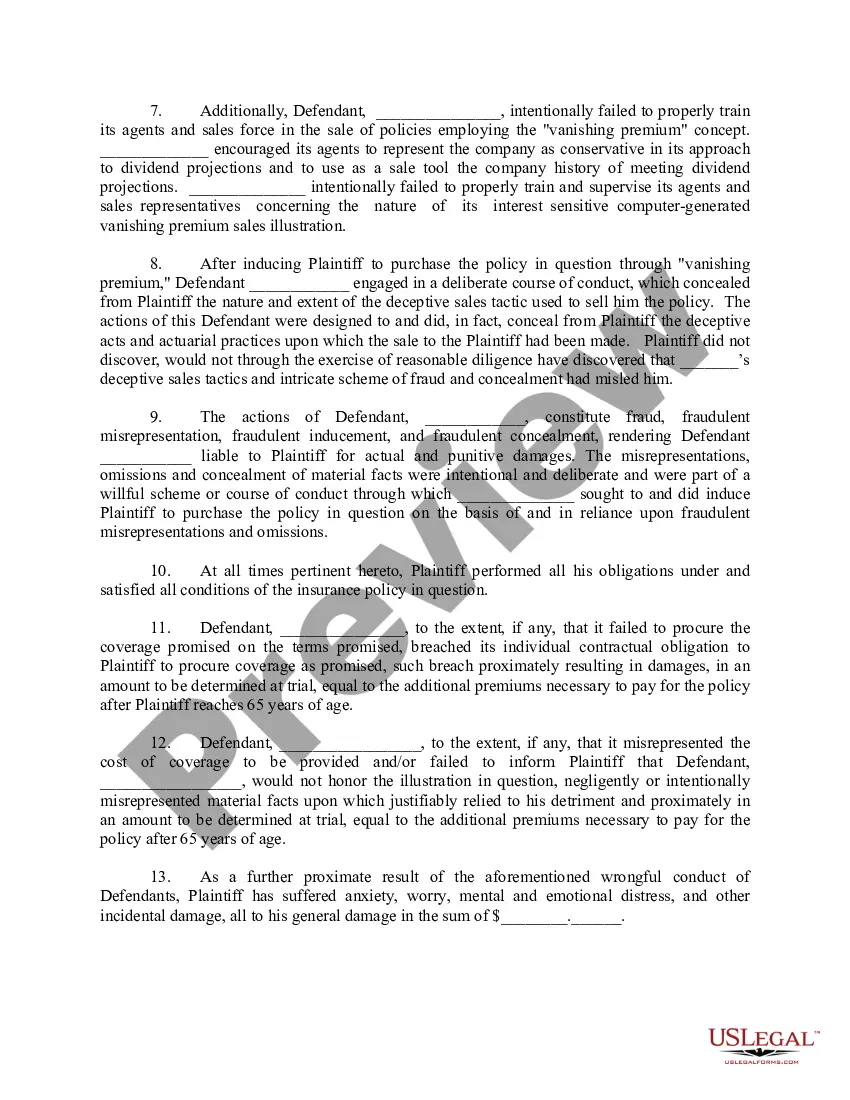
Elements of a DTPA Claim Generally, to prevail on a DTPA claim, plaintiffs must establish three elements: The plaintiff is a consumer; The defendant engaged in false, misleading, or deceptive acts; and. The acts were a producing cause of the consumer's damages.