Deceptive Trade For Texas In Nassau
Description






Form popularity
FAQ
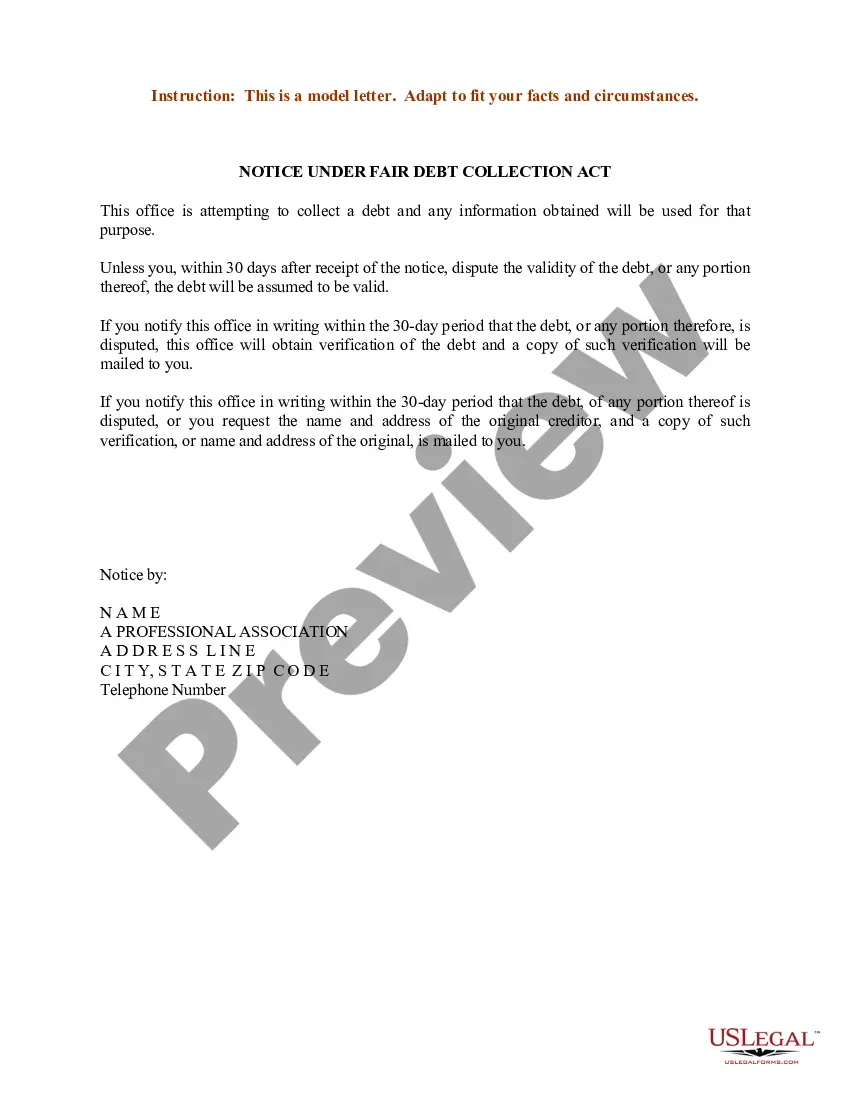
When you are ready to file a DTPA lawsuit in Texas, you can't go straight to the courthouse to file your claim. The Deceptive Trade Practices Act requires that you give written notice of your problem to the business at least 60 days before you can file the suit in court.
Steps to Filing a DTPA Claim The process begins with providing a written notice to the offending business at least 60 days before filing a lawsuit, detailing the complaint and specifying the alleged violations of 17.46(b) of the Texas Business and Commerce Act.
One of the best ways to avoid giving misinformation and violating the Texas Deceptive Trade Practices-Consumer Protection Act is to ensure that the information you provide is accurate and factually supported. Always double-check your facts and sources before sharing information.
Elements of a DTPA Claim Generally, to prevail on a DTPA claim, plaintiffs must establish three elements: The plaintiff is a consumer; The defendant engaged in false, misleading, or deceptive acts; and. The acts were a producing cause of the consumer's damages.
Under the discovery rule, a cause of action accrues when a claimant discovers or in the exercise of reasonable diligence should have discovered the injury and that the injury was likely caused by the wrongful acts of another. See Childs v. Haussecker, 974 S.W. 2d 31, 40 (Tex.
All a DTPA plaintiff is required to prove to win a DTPA case is: 1) the plaintiff was a consumer; 2) the defendant engaged in conduct prohibited by the Act; and 3) the prohibited conduct was a producing cause of the consumer's damages.
Explanation: The most likely action to be a violation of the Texas Deceptive Trade Practices-Consumer Protection Act would be misleading advertising. This act prohibits false, misleading, or deceptive acts or practices in connection with the sale of goods or services.
The primary tool the Office of the Attorney General uses to protect Texas consumers is the Deceptive Trade Practices Act (DTPA). This law lists many practices that are false, deceptive, or misleading. When you fall victim to illegal practices covered by the DTPA, you may have the right to sue for damages under the act.
There are four primary categories of prohibited trade practices under the DTPA, which are: 1) breach of express or implied warranties; 2) violations of Chapter 541 of the Texas Insurance Code; 3) an unconscionable action or course of action; and 4) conduct by the Defendant relied on to the consumer's detriment which ...