Deceptive Trade Forum In Travis
Description

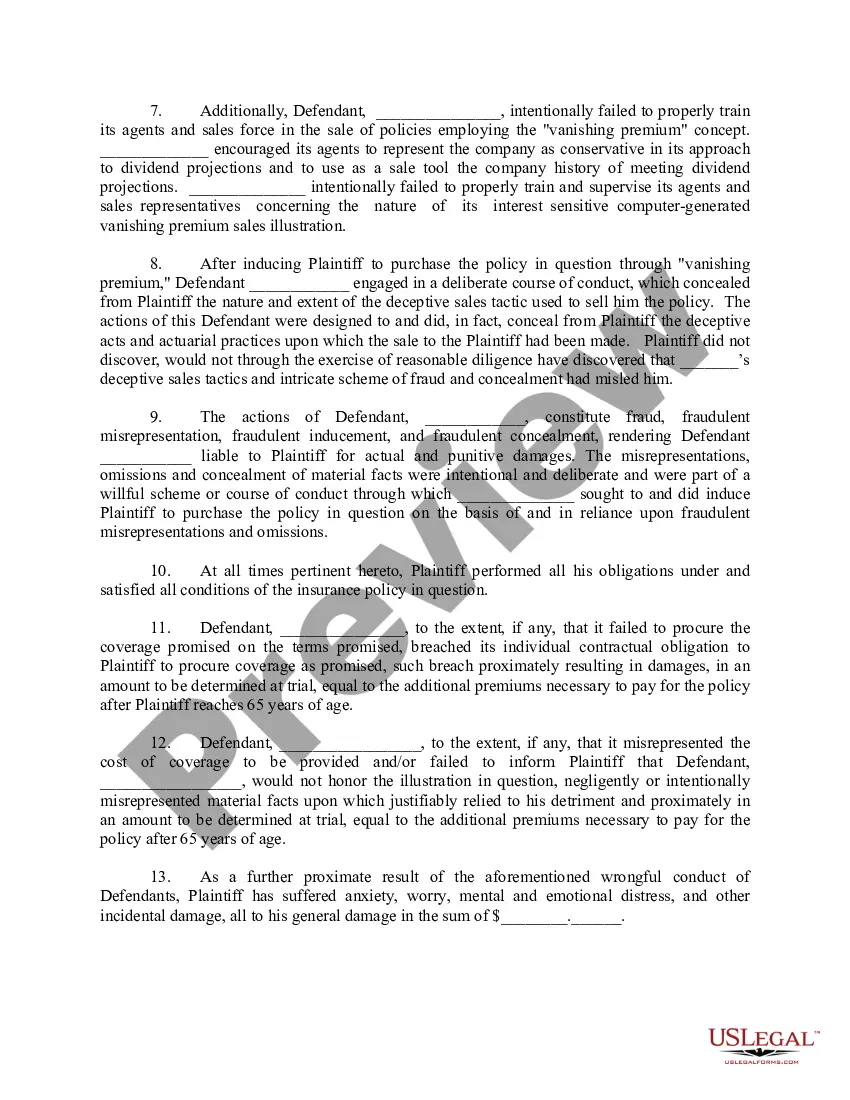




Form popularity
FAQ
The complainant (person making the complaint) must, in good faith, make full, fair, and honest disclosure of all facts and circumstances known to him/her at the time the complaint is made. The facts, as presented, must be in the form of an affidavit and signed under oath.
The DTPA provides that "false, misleading, or deceptive acts or practices in the conduct of any trade or commerce are hereby declared unlawful." The DTPA prohibits certain acts or practices "in the conduct of any trade or commerce." This is a very broad provision.
The Texas Public Information Act assures that government entities give citizens access to information about the business government officials are conducting on their behalf—information that enables the people of Texas to observe how their government works and to hold their public officials accountable.
The Texas Deceptive Trade Practices Act (the “DTPA”) is a powerful statute that provides consumers of goods or services (including real estate) with relief for certain acts by the Sellers of such goods or real property, such as a residential home.
In order to sue under the DTPA, several elements must be met. The elements of a DTPA action include that the plaintiff must be a consumer, the defendant must have committed one of the proscribed acts under the DTPA, and the defendant's actions must have been the producing cause of the plaintiff's harm.
The primary tool the Office of the Attorney General uses to protect Texas consumers is the Deceptive Trade Practices Act (DTPA).
What is required for a real estate agent to be subject to the DTPA? The answer is that the agent made an express misrepresentation that is not advice or opinion. The answer is suffered damages. A misrepresentation claim cannot be made unless the plaintiff has been damaged.
The Texas Deceptive Trade Practices Act (the “DTPA”) is a powerful statute that provides consumers of goods or services (including real estate) with relief for certain acts by the Sellers of such goods or real property, such as a residential home.
Elements of a DTPA Claim Generally, to prevail on a DTPA claim, plaintiffs must establish three elements: The plaintiff is a consumer; The defendant engaged in false, misleading, or deceptive acts; and. The acts were a producing cause of the consumer's damages.
The Statute of Limitations for DTPA Claims Specifically, any action under the act must be initiated within two years after the occurrence of the false, misleading, or deceptive act or practice, or after the consumer becomes aware or should have been aware of it.