Unfair Trade Practices In Insurance In Wake
Description


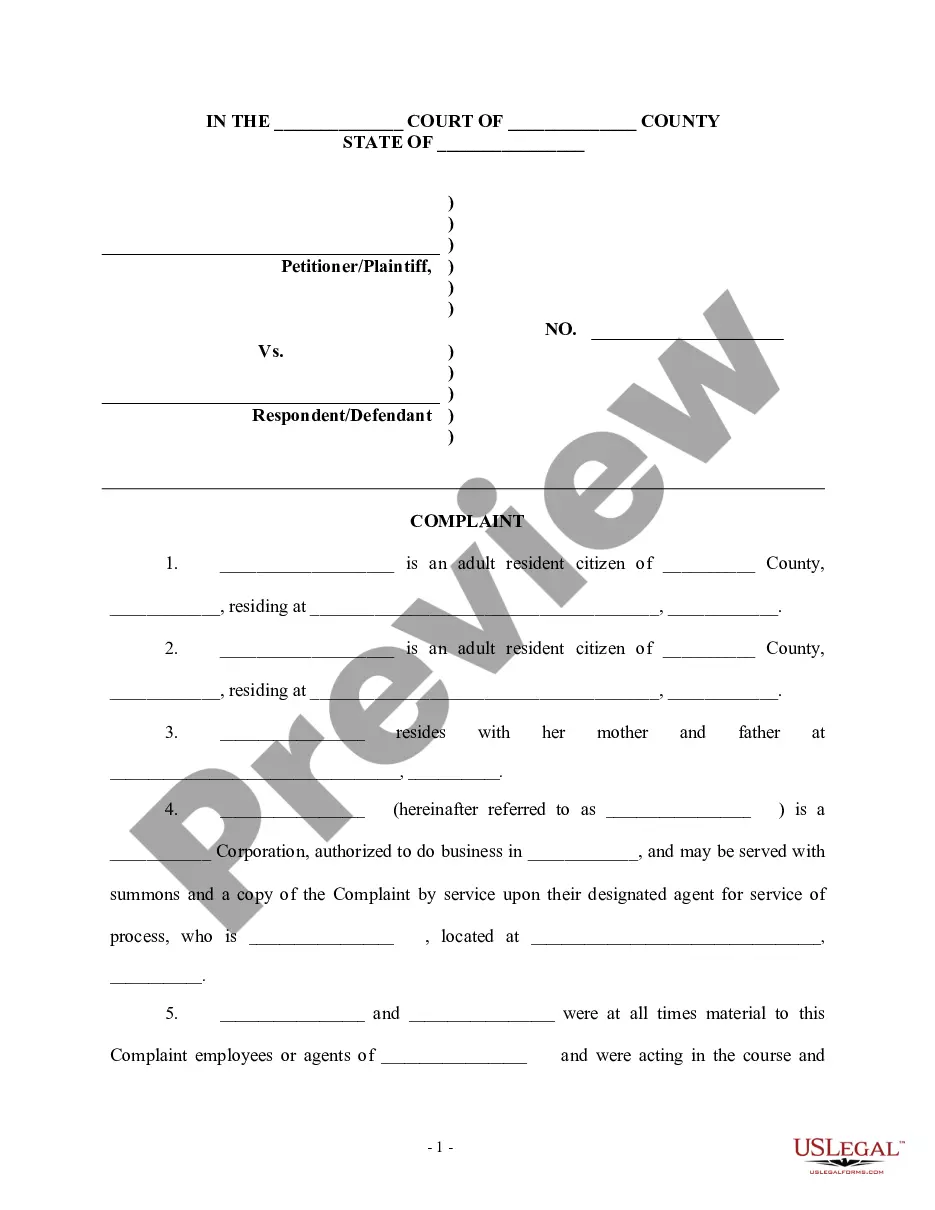

Get your form ready online
Our built-in tools help you complete, sign, share, and store your documents in one place.
Make edits, fill in missing information, and update formatting in US Legal Forms—just like you would in MS Word.
Download a copy, print it, send it by email, or mail it via USPS—whatever works best for your next step.
Sign and collect signatures with our SignNow integration. Send to multiple recipients, set reminders, and more. Go Premium to unlock E-Sign.
If this form requires notarization, complete it online through a secure video call—no need to meet a notary in person or wait for an appointment.
We protect your documents and personal data by following strict security and privacy standards.

Make edits, fill in missing information, and update formatting in US Legal Forms—just like you would in MS Word.

Download a copy, print it, send it by email, or mail it via USPS—whatever works best for your next step.

Sign and collect signatures with our SignNow integration. Send to multiple recipients, set reminders, and more. Go Premium to unlock E-Sign.

If this form requires notarization, complete it online through a secure video call—no need to meet a notary in person or wait for an appointment.

We protect your documents and personal data by following strict security and privacy standards.
Looking for another form?




Form popularity
FAQ
As its name indicates, the North Carolina Unfair and Deceptive Trade Practices Act (or “UDTPA,” for short) prohibits businesses from engaging in unfair or deceptive acts or practices. Violating the UDTPA subjects a defendant to potential treble (triple) damages, costs, and attorney's fees.
Types of Unfair Trade Practices ① Refusal to Deal. ② Discriminatory Treatment. ③ Exclusion of a Competitor. ④ Unfair Solicitation of Customers. ⑤ Coercion of Transaction. ⑥ Abuse of Superior Bargaining Position. ⑦ Imposing Binding Conditional Trade. ⑧ Obstruction of Business Activities.
Unfair trade practices include twisting facts, harsh treatment of workers, poor working and living conditions as well as not allowing workers to join labour unions. Work and exploitation People who are poor are often exploited in the trading system. When you are exploited, it means that someone treats you unfairly.
An example of unfair trade practice of discrimination by an insurer is refusing coverage based on age, as it involves unequal treatment without actuarial justification. Charging lower rates for non-smokers, using actuarial tables, or providing safe driving discounts are lawful as they're based on risk evaluation.
Some instances of unfair claims settlement practice may involve issues with timeliness on the part of insurers. Examples of specific timeliness issues could involve: Failure to provide a timely explanation for the denial of coverage or a low settlement offer.
(These practices are commonly called misleading or unfair business practices.) They include false advertising, misrepresentation, tied selling, and failing to comply with regulations. Under consumer protection laws, they are illegal and can lead to compensatory or punitive damages.
You can file your complaint by calling the Insurance Consumer Helpline at 1-877-MY-FL-CFO (693-5236) or do so online at MyFloridaCFO. After submitting your complaint, an email will be sent to you with your complaint number, and instructions for attaching supporting documentation.
How do you file an insurance claim? Document what happened. Create a full incident report, including how, when, who, and where. Get the contact information of everyone who was there including witnesses. Take photos of the scene, surroundings, and damages. Contact your insurance company to notify it of the situation.