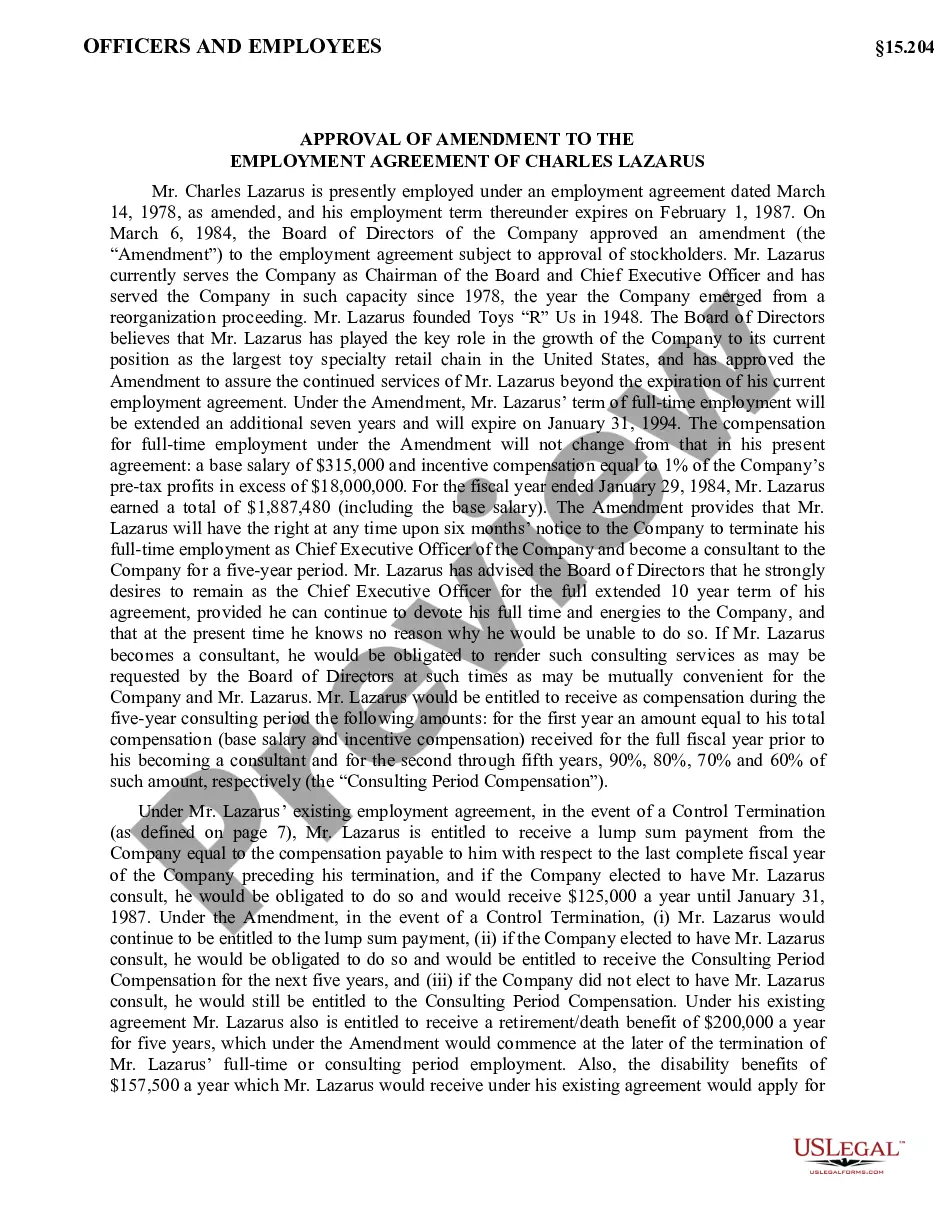
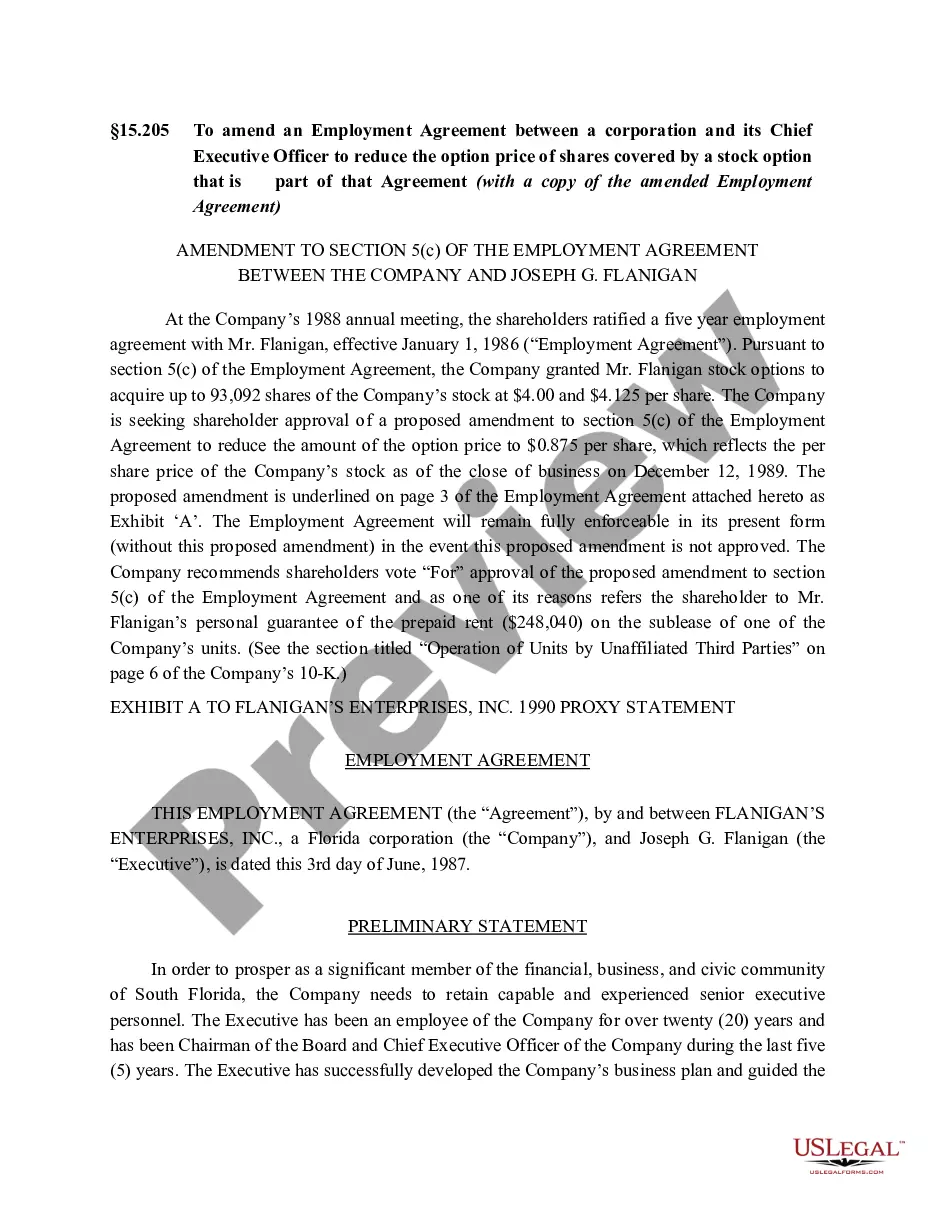
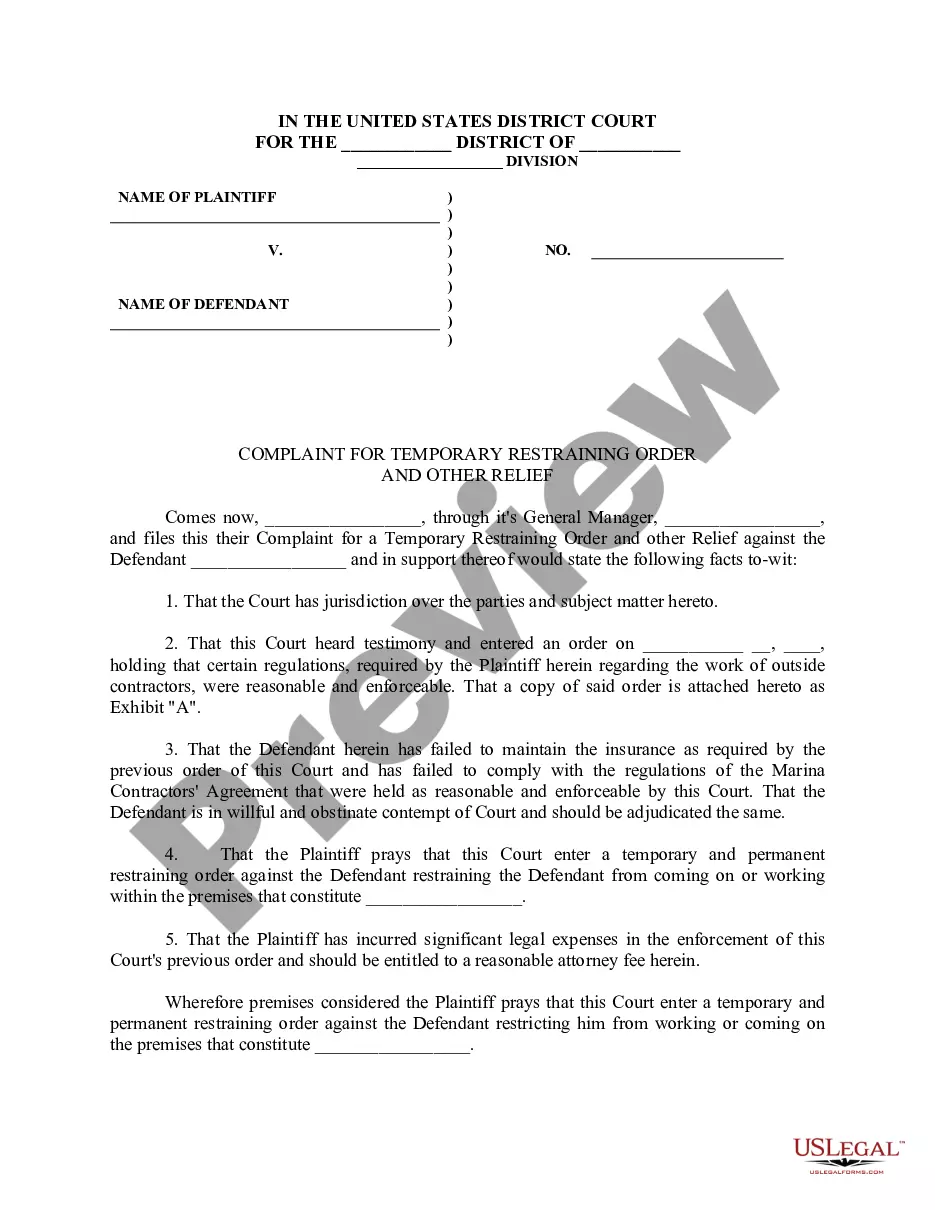
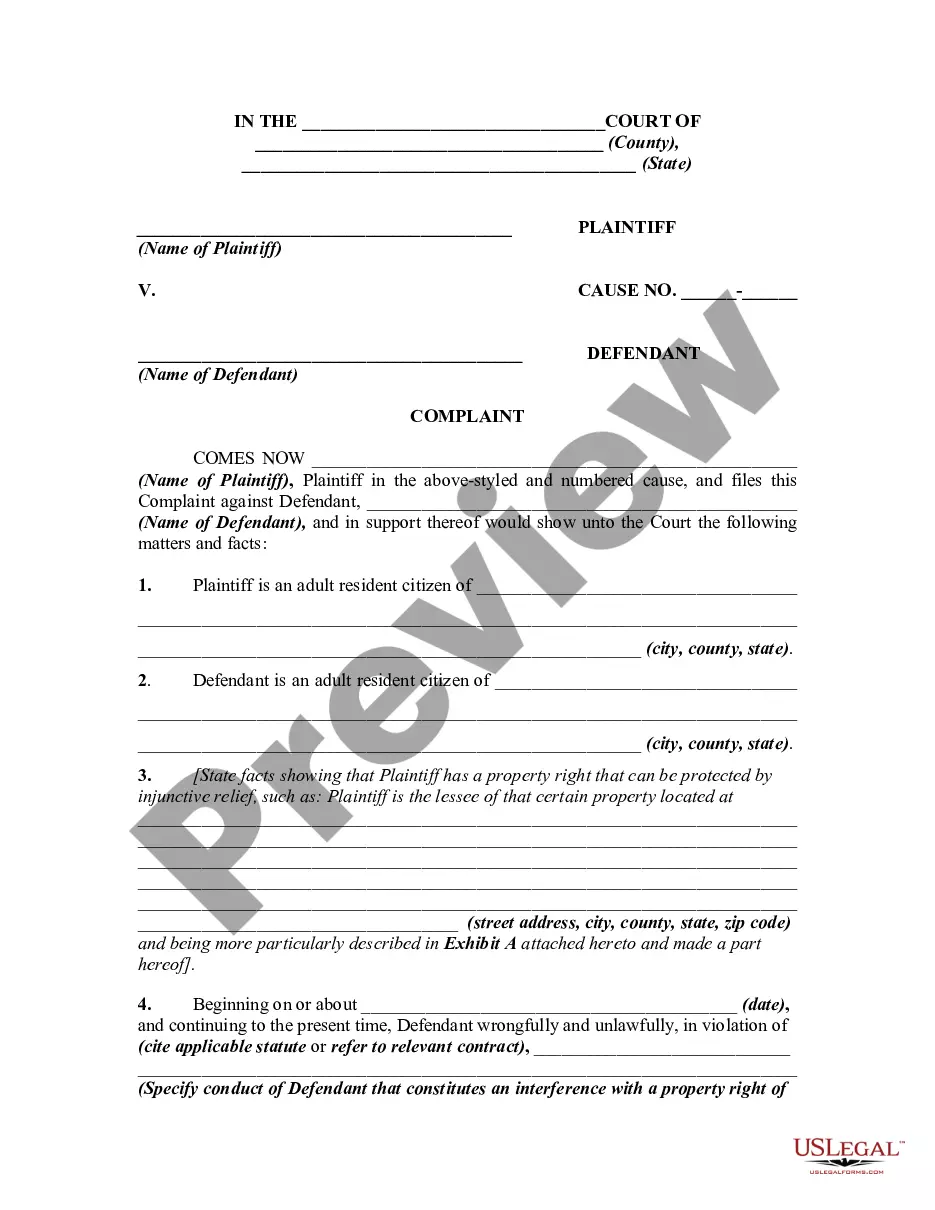
Sample Restraining Order Form With Google Docs In Orange
Description




Form popularity
FAQ
To file a motion for contempt in New York, certain criteria must be met. There must be an existing order of the court that is clear and unambiguous, and the accused must be proven to have known about this order and willfully disobeyed it.
In New York, this type of substitute motion is called an "Order to Show Cause." An order to show cause can be heard anytime the court directs, even fewer than the usual eight days, and even as short as a few hours later, if the court is convinced there's a real emergency.
The specific elements you need to prove to get a restraining order vary from state to state, but in general, you need to show: A specific instance or instances of abuse or harassment (such as sexual assault by an intimate partner) The threat of violence or of further abusive behavior or harassment.
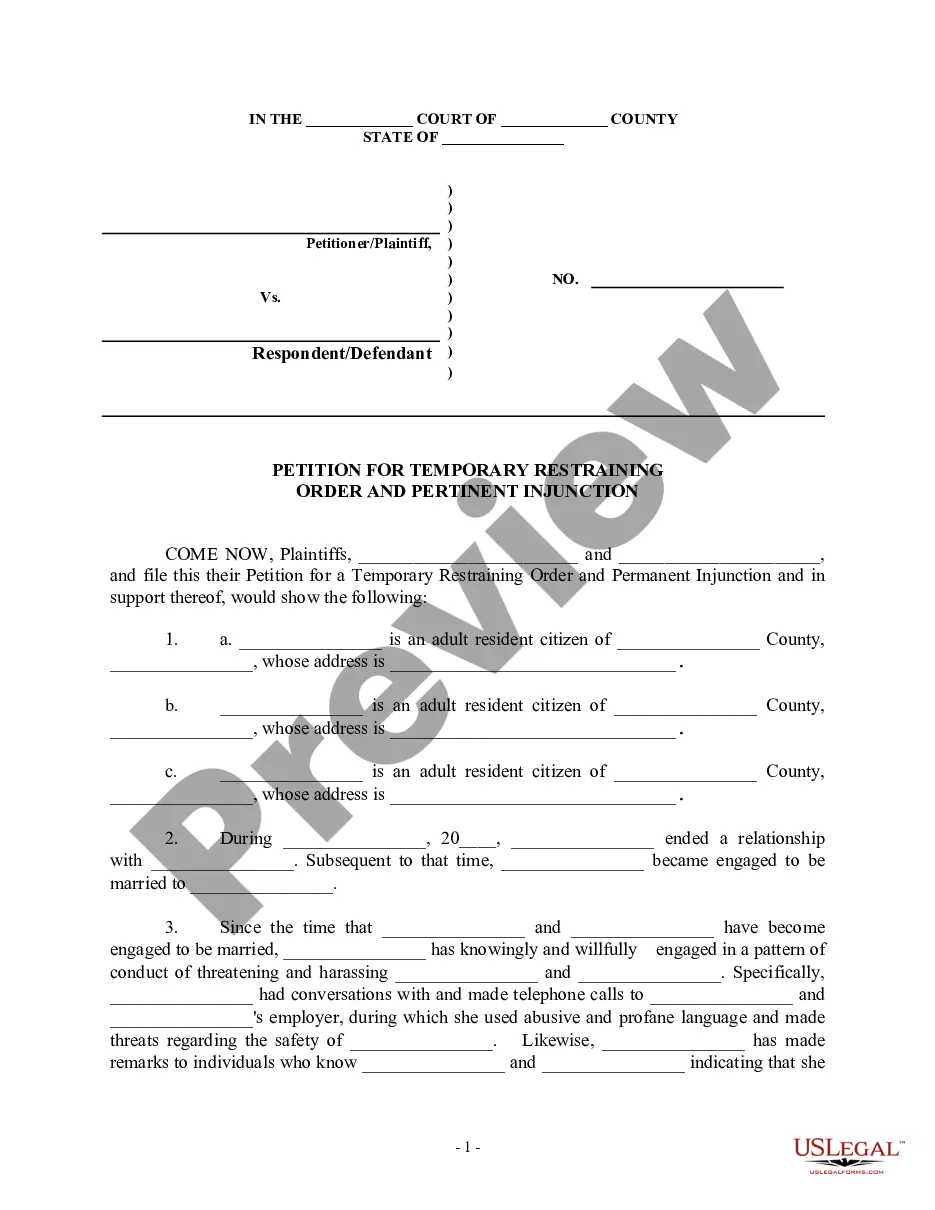
State to the court that you would like a restraining order and what you would like the court to order. Be as specific as possible. Examples: “I am asking the court to grant me a _____ month/year injunction.” “I want no contact in person, at home, by phone, at work, by mail or through third parties.”
Fill out all required forms Request for Civil Harassment Restraining Orders (form CH-100) Confidential CLETS Information (form CLETS-001) Notice of Court Hearing (form CH-109) Temporary Restraining Order (form CH-110) Civil Case Cover Sheet (form CM-010)
If you want to change or get rid of an order of protection that protects you, we recommend you reach out to a domestic violence advocate to discuss your options. You can file a motion or petition in the court that issued the order of protection asking a Judge to change the terms of the order of protection.
Ask for a Civil Harassment Restraining Order Form NameForm Number Civil Case Cover Sheet CM-010 Declaration OR Attached Declaration MC-030 OR MC-031 Proof of Personal Service CH-200 Civil Harassment Restraining Order After Hearing (CLETS-CHO) CH-1308 more rows
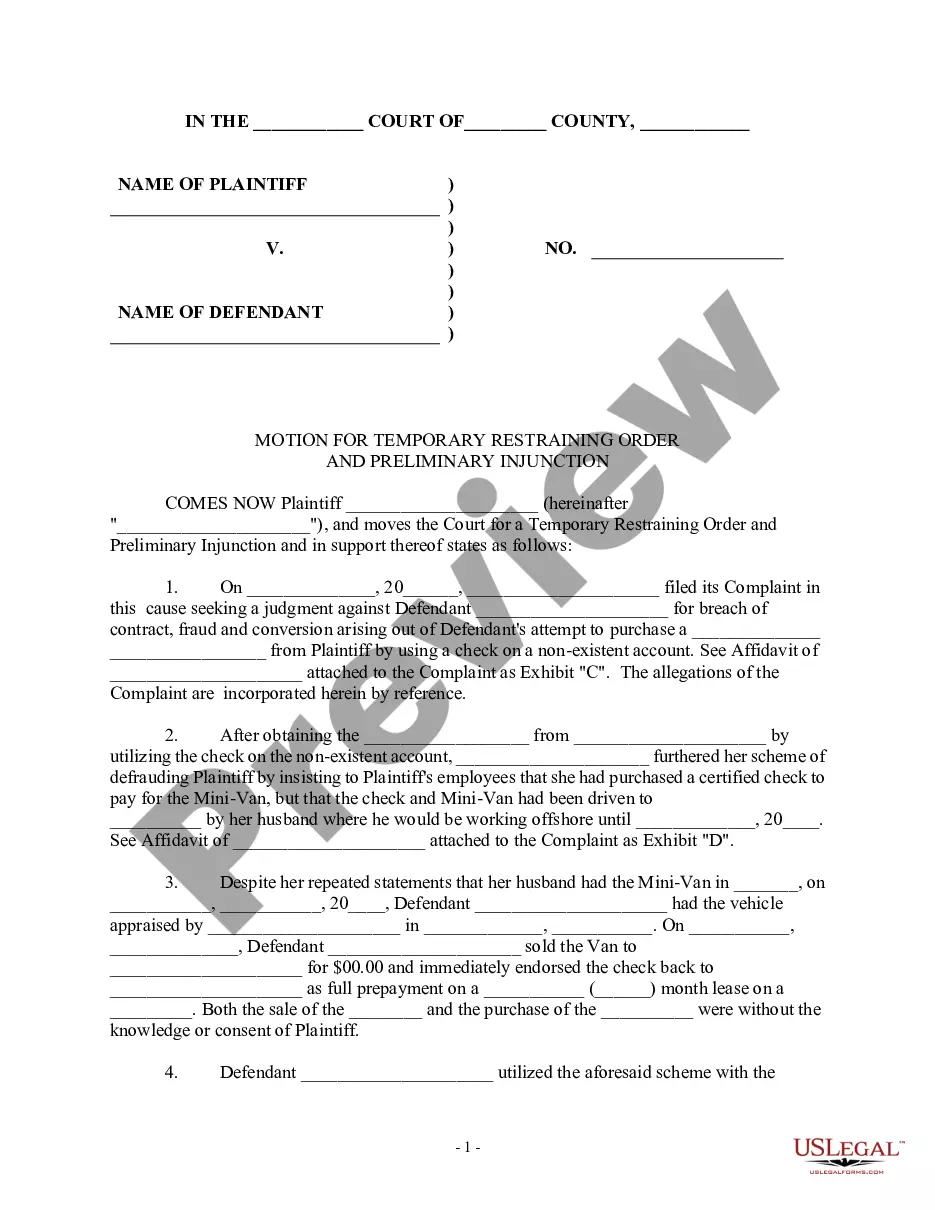
You will need to research and write (1) an “Application for TRO,” stating what you are requesting and when the hearing will be; (2) a “Memorandum of Points and Authorities,” explaining the relevant laws and how they apply to your facts; (3) a “Declaration” under penalty of perjury explaining both the facts of the case, ...
Using the facts of the incident only, keep your statement brief and to the point. Briefly describe the most recent incident of abuse and/or threats of abuse or other behaviors. Focus on the actual behavior. Do not include prior incidents, (that will be the next paragraph).