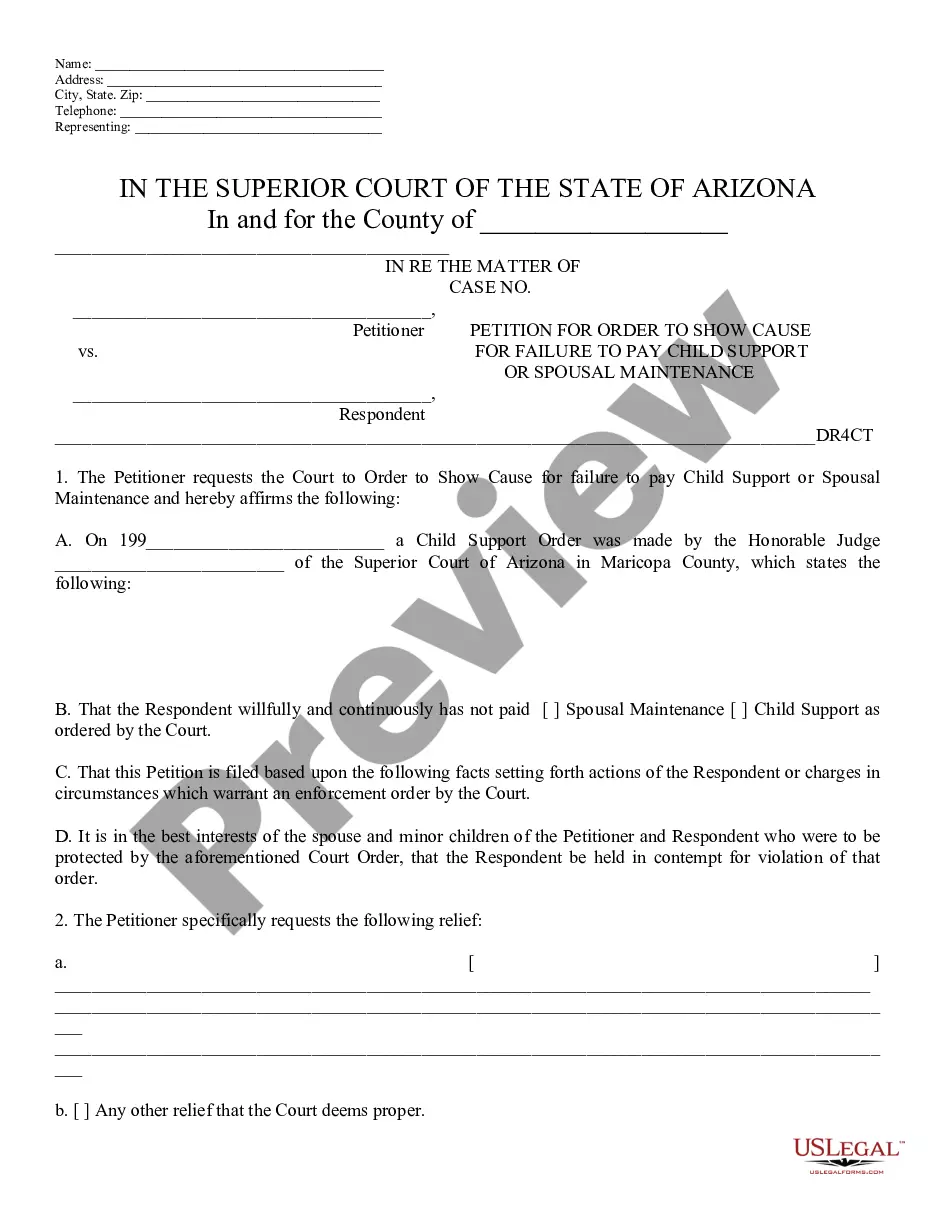
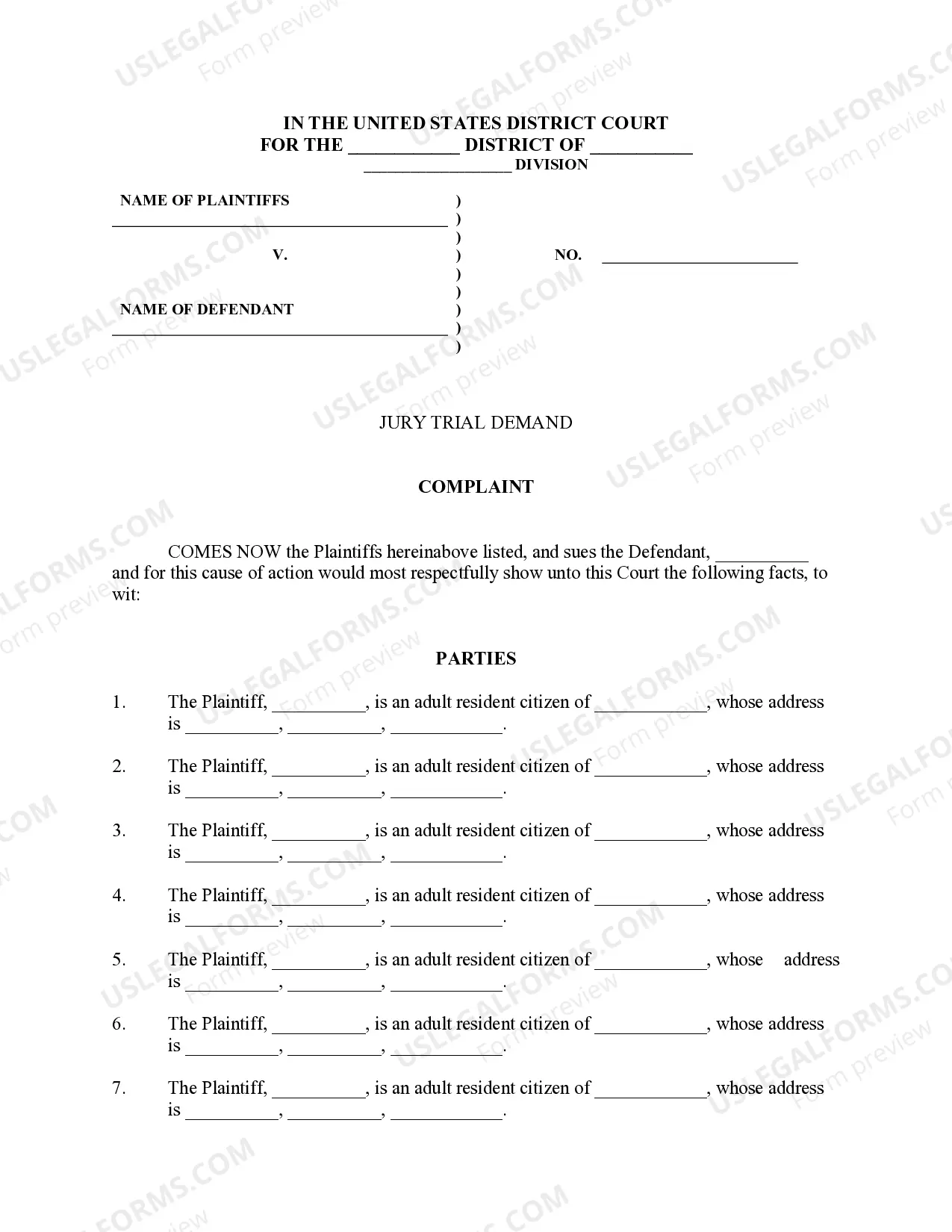
This is a multi-state form covering the subject matter of the title.
Pregnancy Discrimination At Work Uk In Contra Costa
Category:
State:
Multi-State
County:
Contra Costa
Control #:
US-000291
Format:
Word;
Rich Text
Instant download
This website is not affiliated with any governmental entity
Public form
Description





Form popularity
FAQ
Maximum, Median and Average Awards for Unfair Dismissal and Discrimination 2022/23 Maximum AwardAverage Award Disability Discrimination £1,767,869 £45,435 Religion & Belief Discrimination £92,039 £19,332 Age Discrimination £84,723 £14,210 Sexual Orientation Discrimination £82,168 £31,6233 more rows •
To prove this kind of discrimination, you need to demonstrate that your employer treated you differently because you are or were recently pregnant. If your pregnancy prompted a harmful employment decision, such as termination or failure to promote, compensation may be available.
To successfully win a pregnancy discrimination claim, an employee must provide evidence showing that her pregnancy was a substantial motivating reason for an adverse employment (such as a demotion, a write up and, of course, a termination) and that other employees in similar situations were treated differently.
Here's the deal: under California law, it's illegal for your employer to fire you or discriminate against you because you're pregnant or taking leave to have a baby. That's right, it's against the law! And if your employer is breaking the law, they should be held accountable.
What is the Pregnant Workers Fairness Act? The PWFA is a federal law that requires employers to make reasonable accommodations for employees who have a known limitation due to pregnancy, childbirth, or related medical conditions, unless the accommodation poses an undue hardship to the employer.
Compensation for Pregnancy Discrimination Band 1 - £900 - £8,800; Band 2 - £8,800 - £26,300; Band 3 - £26,300 - £44,000.
By law, you don't need to tell your employer you're pregnant until the end of the 15th week before your due date (when you're 25 weeks pregnant). But it's best to tell them as soon as possible, especially if you have physical symptoms like sickness and need their support.
Signs You Should Stop Working When Pregnant You have high blood pressure, a cervical insufficiency or intrauterine growth restriction (IUGR) Your baby isn't growing properly. You're at risk for preeclampsia. You have a history of stillbirth, preterm birth or late miscarriage.
Proving pregnancy discrimination requires more than a victim's claim. There must be evidence that the employer acted against the individual exclusively based on their pregnancy. That evidence must be clear, inarguable, and documented.
The Pregnant Workers Fairness Act (PWFA) requires covered employers to provide “reasonable accommodations” to a worker's known limitations related to pregnancy, childbirth or related medical conditions, unless the accommodation will cause the employer an “undue hardship.” The protections of the PWFA also apply to ...