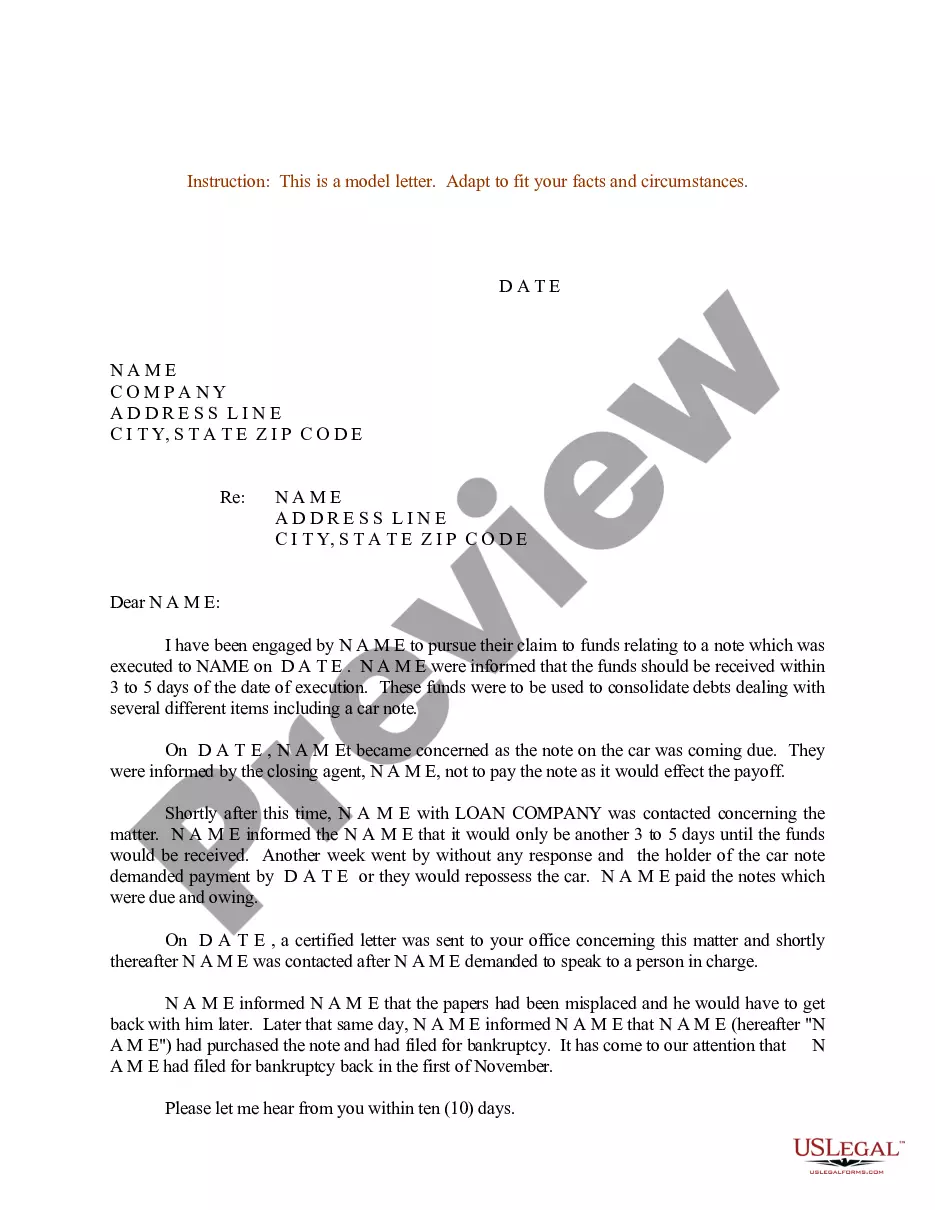
This is a multi-state form covering the subject matter of the title.
Demand Trial By Combat In Cook
Category:
State:
Multi-State
County:
Cook
Control #:
US-000291
Format:
Word;
Rich Text
Instant download
Description
Free preview





Get your form ready online
Our built-in tools help you complete, sign, share, and store your documents in one place.
Built-in online Word editor
Make edits, fill in missing information, and update formatting in US Legal Forms—just like you would in MS Word.
Export easily
Download a copy, print it, send it by email, or mail it via USPS—whatever works best for your next step.
E-sign your document
Sign and collect signatures with our SignNow integration. Send to multiple recipients, set reminders, and more. Go Premium to unlock E-Sign.
Notarize online 24/7
If this form requires notarization, complete it online through a secure video call—no need to meet a notary in person or wait for an appointment.
Store your document securely
We protect your documents and personal data by following strict security and privacy standards.

Make edits, fill in missing information, and update formatting in US Legal Forms—just like you would in MS Word.

Download a copy, print it, send it by email, or mail it via USPS—whatever works best for your next step.

Sign and collect signatures with our SignNow integration. Send to multiple recipients, set reminders, and more. Go Premium to unlock E-Sign.

If this form requires notarization, complete it online through a secure video call—no need to meet a notary in person or wait for an appointment.

We protect your documents and personal data by following strict security and privacy standards.
Looking for another form?
Form popularity
FAQ
Courts are governed by a series of procedural rules based in statutes, court rules, and precedent, and none of these rules give litigators an option to request trial by combat.
Trial by battle in British English or trial by combat. noun. history. a method of trying an accused person or of settling a dispute by a personal fight between the two parties involved or, in some circumstances, their permitted champions, in the presence of a judge.
At the time of independence in 1776, trial by combat had not been abolished and it has never formally been abolished since.
It is fought until one man yields - though if the accused is representing himself he would fight to the death to avoid a certain execution, and even the champion of an accused man will often fight to the death due to potential reward from the accused if he wins.
The ancient practice of trial by combat was abandoned hundreds of years ago and has never been employed in America.
Ned was an honorable man. He assumed the deal he made would be honored. As a side thought, had he chose trial by combat, Joffrey most certainly would have chosen The Hound as his representative.
Janin writes, “The last judicial duel held in England occurred in 1492, at the end of the Middle Ages. Remarkably, trial by battle was not formally abolished in England until more than 300 years later – in 1819.” Strangely, it seems that trial by combat is still lingering on the books in certain places, even New York.
Courts are governed by a series of procedural rules based in statutes, court rules, and precedent, and none of these rules give litigators an option to request trial by combat.
In Game of Thrones, specifically in Season 6, Tommen abolishes trial by combat, which was a potential means for Cersei to avoid punishment for her crimes. By eliminating this option, Tommen aimed to protect his mother, as he was deeply influenced by her and wanted to ensure her safety.
Variants or trial by combat. : a trial of a dispute formerly determined by the outcome of a personal battle or combat between the parties or in an issue joined upon a writ of right between their champions. called also judicial combat, wager of battle.