This is a multi-state form covering the subject matter of the title.
Demand For Trial By Jury In Utah
Category:
State:
Multi-State
Control #:
US-000291
Format:
Word;
Rich Text
Instant download
Description
Free preview

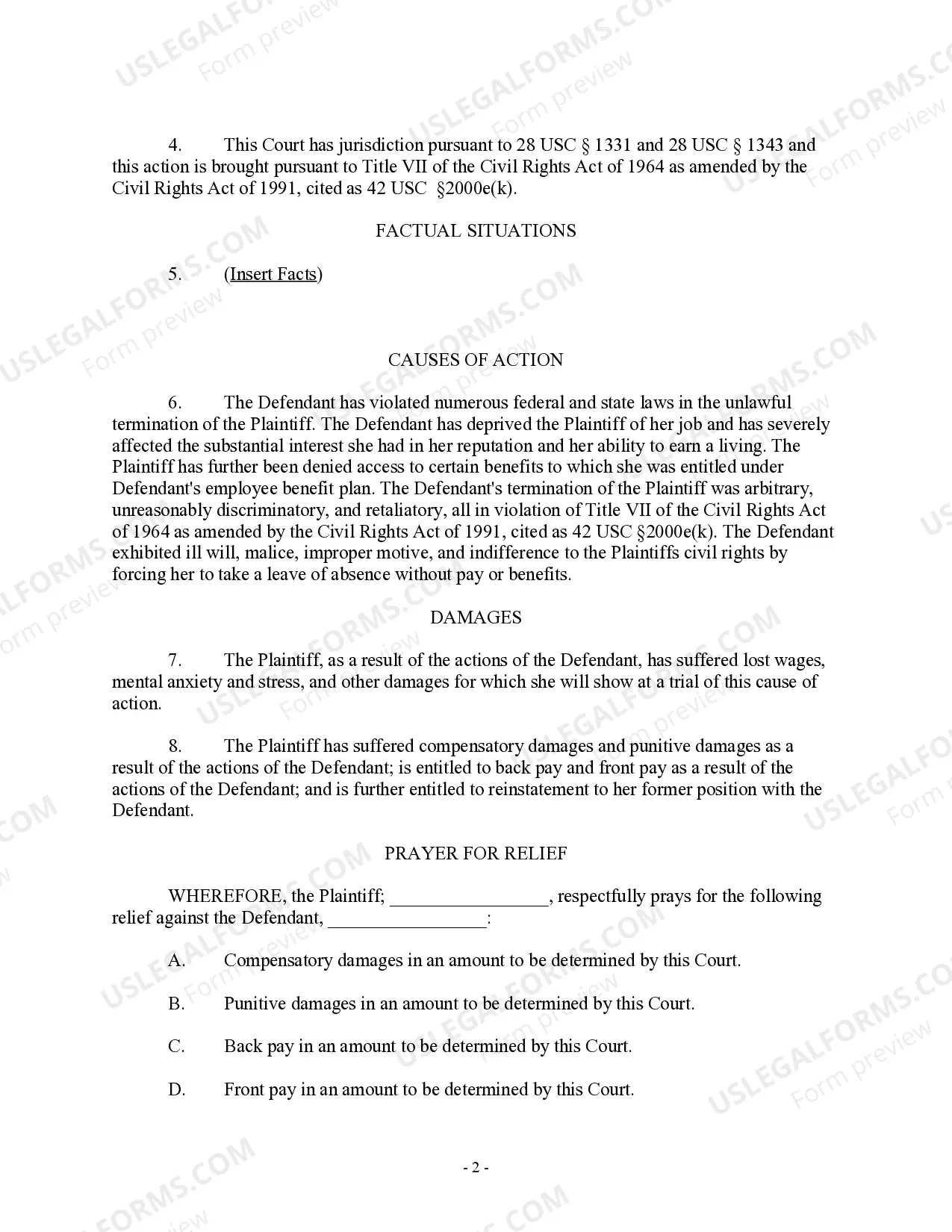




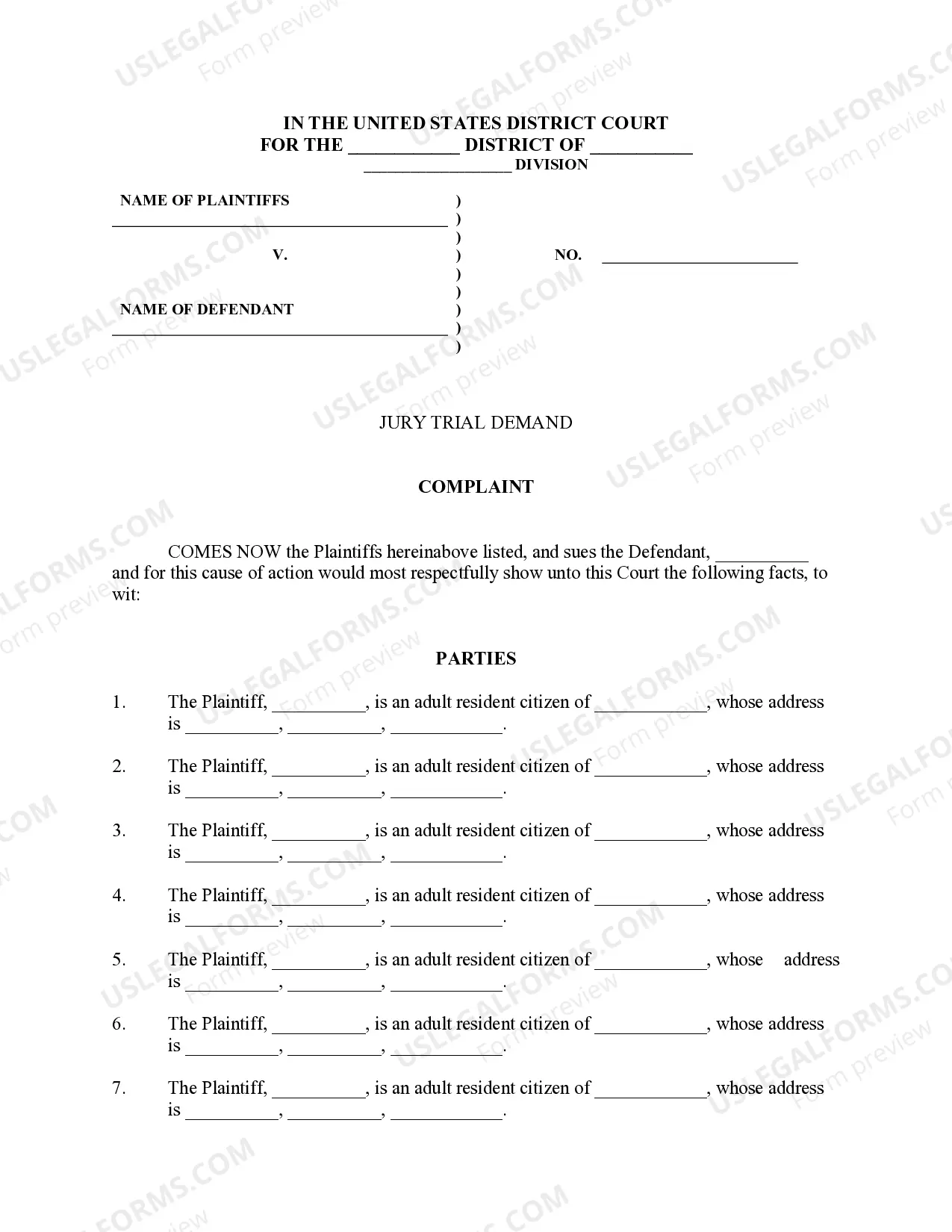
Get your form ready online
Our built-in tools help you complete, sign, share, and store your documents in one place.
Built-in online Word editor
Make edits, fill in missing information, and update formatting in US Legal Forms—just like you would in MS Word.
Export easily
Download a copy, print it, send it by email, or mail it via USPS—whatever works best for your next step.
E-sign your document
Sign and collect signatures with our SignNow integration. Send to multiple recipients, set reminders, and more. Go Premium to unlock E-Sign.
Notarize online 24/7
If this form requires notarization, complete it online through a secure video call—no need to meet a notary in person or wait for an appointment.
Store your document securely
We protect your documents and personal data by following strict security and privacy standards.

Make edits, fill in missing information, and update formatting in US Legal Forms—just like you would in MS Word.

Download a copy, print it, send it by email, or mail it via USPS—whatever works best for your next step.

Sign and collect signatures with our SignNow integration. Send to multiple recipients, set reminders, and more. Go Premium to unlock E-Sign.

If this form requires notarization, complete it online through a secure video call—no need to meet a notary in person or wait for an appointment.

We protect your documents and personal data by following strict security and privacy standards.
Looking for another form?
Form popularity
FAQ
Predictable Outcomes: Judges' decisions are generally more predictable than those of a jury, in which emotions or personal biases can sway. If, for example, you're assigned a judge with a record of showing leniency for mitigating circumstances, your attorney might recommend waiving the jury trial.
Bias or Prejudice: Potential jurors may feel that they cannot be impartial due to their personal experiences or biases related to the case. Previous Experience: Individuals who have had negative experiences with the legal system, either personally or through family and friends, may be reluctant to participate.
Defendants generally trust that a jury will acquit or render a not guilty verdict more often (than a judge). The O.J. trial certainly validated this belief. Both the defendant and the People have the right to a jury trial in misdemeanor and felony trials (California Constitution, Article I, § 16 and Penal Code § 699).
Amendment Seven to the Constitution was ratified on December 15, 1791. It protects the right for citizens to have a jury trial in federal courts with civil cases where the claim exceeds a certain dollar value. It also prohibits judges in these trials from overruling facts revealed by the jury.
There are various reasons why a defendant might consider waiving their right to a jury trial. For instance, they might aim to resolve the case swiftly or keep it out of the local news. Alternatively, they might have a lengthy criminal record and wish to minimize public exposure.
Furthermore, jury selection can often take up a large portion of time during trial preparation and may result in bias or prejudice towards one side of the case. Lastly, some people feel that jury trials are too unpredictable, as there is no guarantee that the jurors will reach an agreement in the end.
A jury trial demand is a request to have your case decided by fellow citizens as opposed to the judge should you proceed to trial. The decision to choose or waive a jury trial lies with the defendant.
Jury duty isn't lucrative. At 48.2%, financial inconvenience was the primary reason people avoided serving. Our findings also found other valid reasons: 19.3% feared consequences from their employer, 15.7% didn't have access to child care for the duration of the trial, and 2.4% had religious responsibilities.
The constitution grants a defendant the right to a 'speedy trial'. Sometimes, the court system can be frustratingly slow when it comes to finishing up a case. A jury trial demand is simply a request that a date be set for a jury trial.
Tippit, 65 M.J. 69 (the Sixth Amendment to the Constitution provides that the accused in a criminal prosecution shall enjoy the right to a speedy trial; a four-part test has been established for assessing whether a delay amounts to a Sixth Amendment constitutional violation, requiring a balancing of the length of the ...