Attorney Relationship With Client In Fairfax
Description

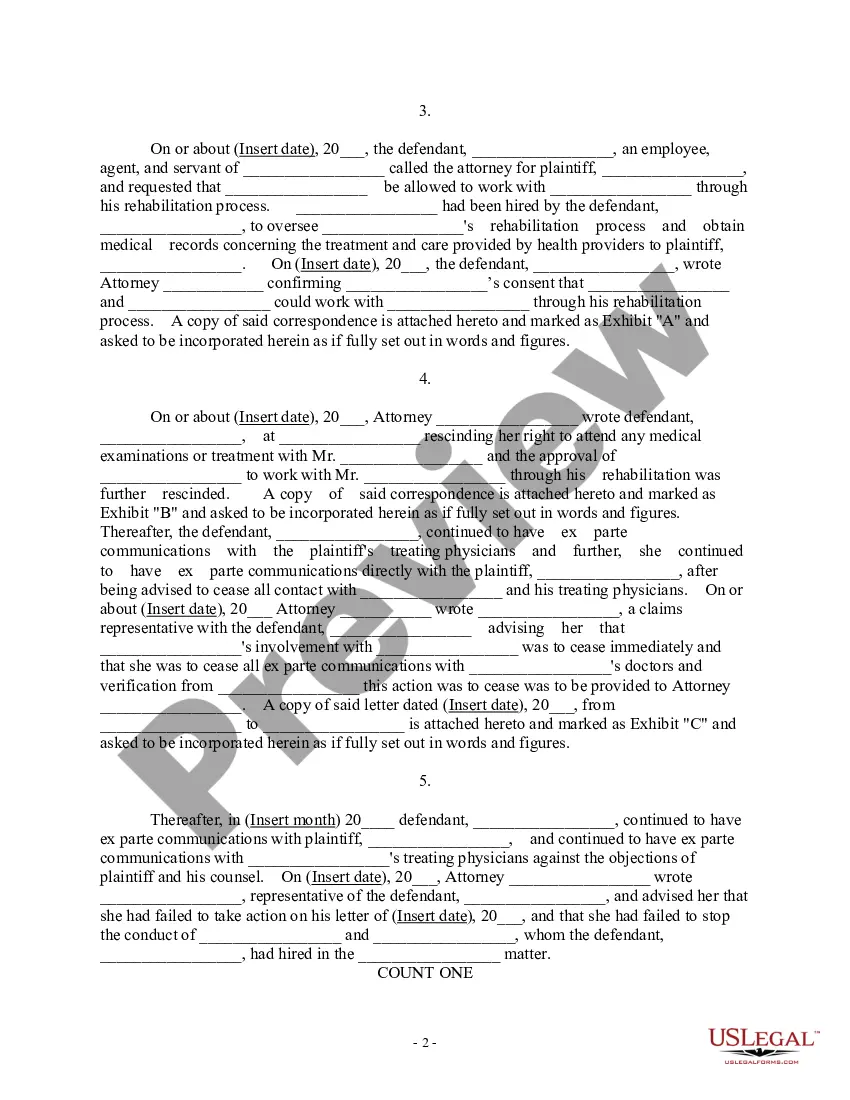
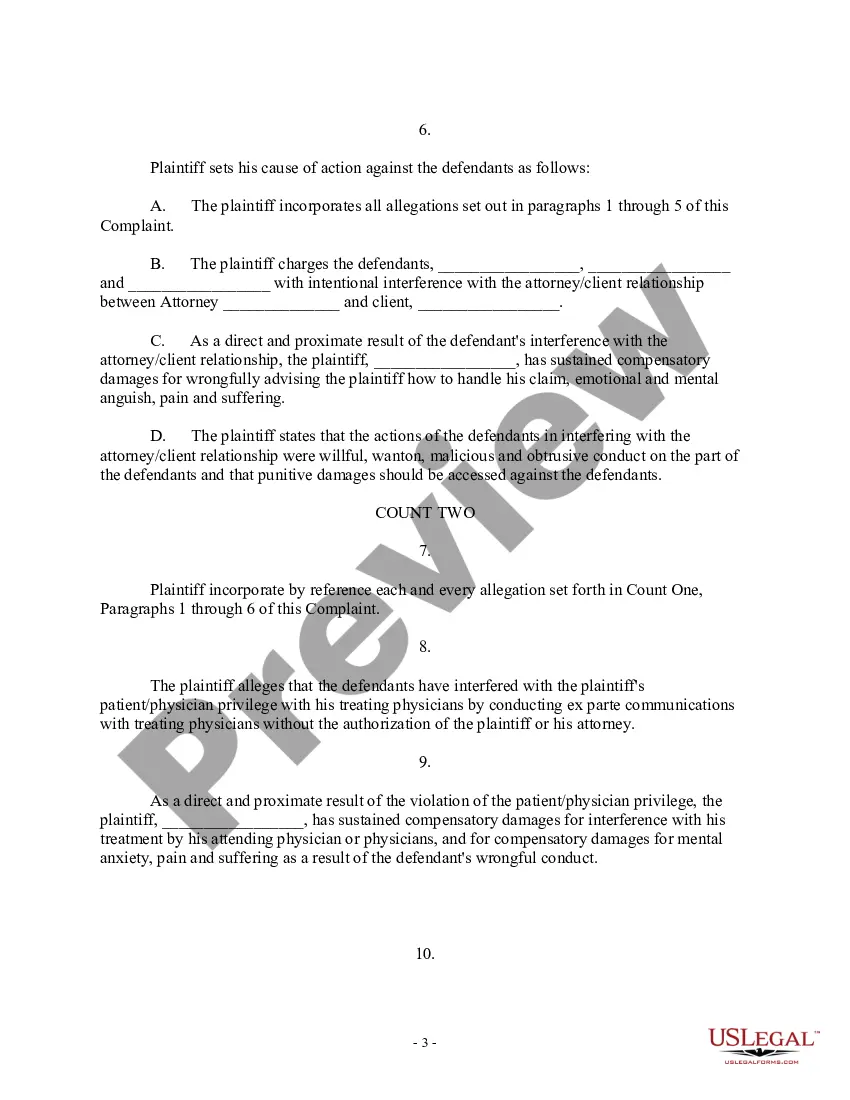
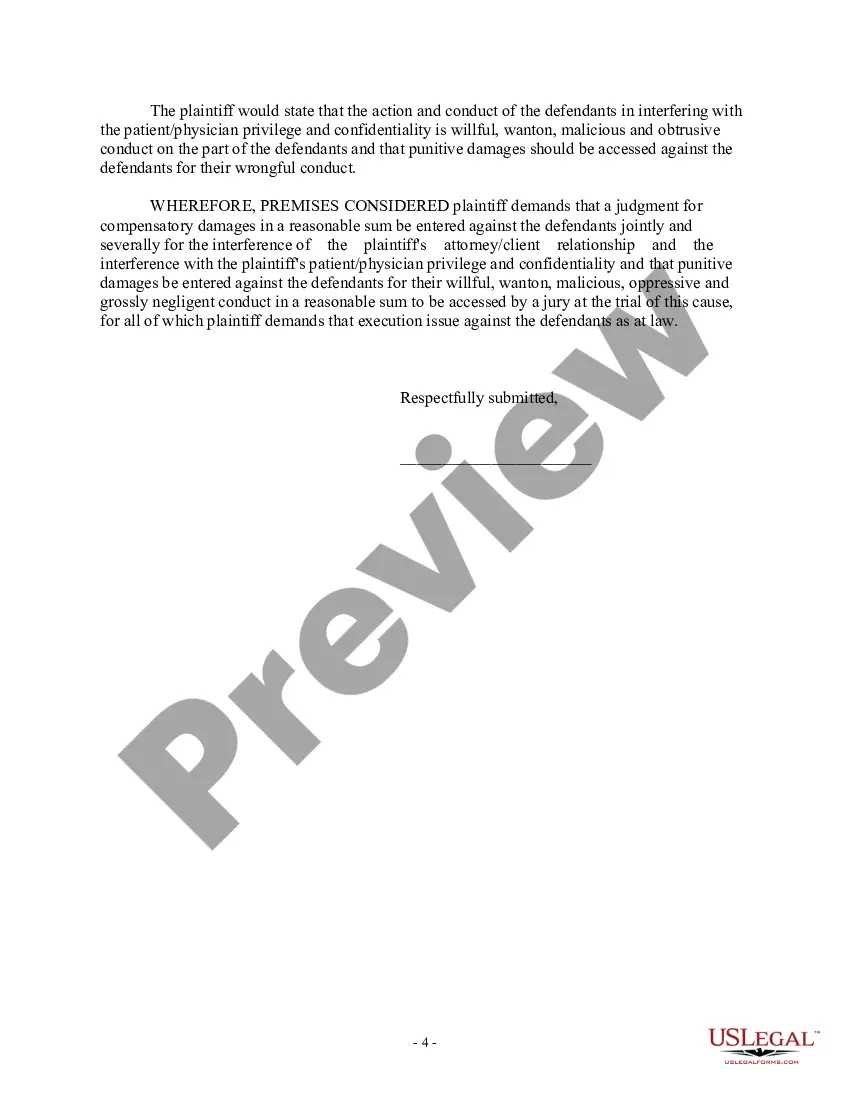




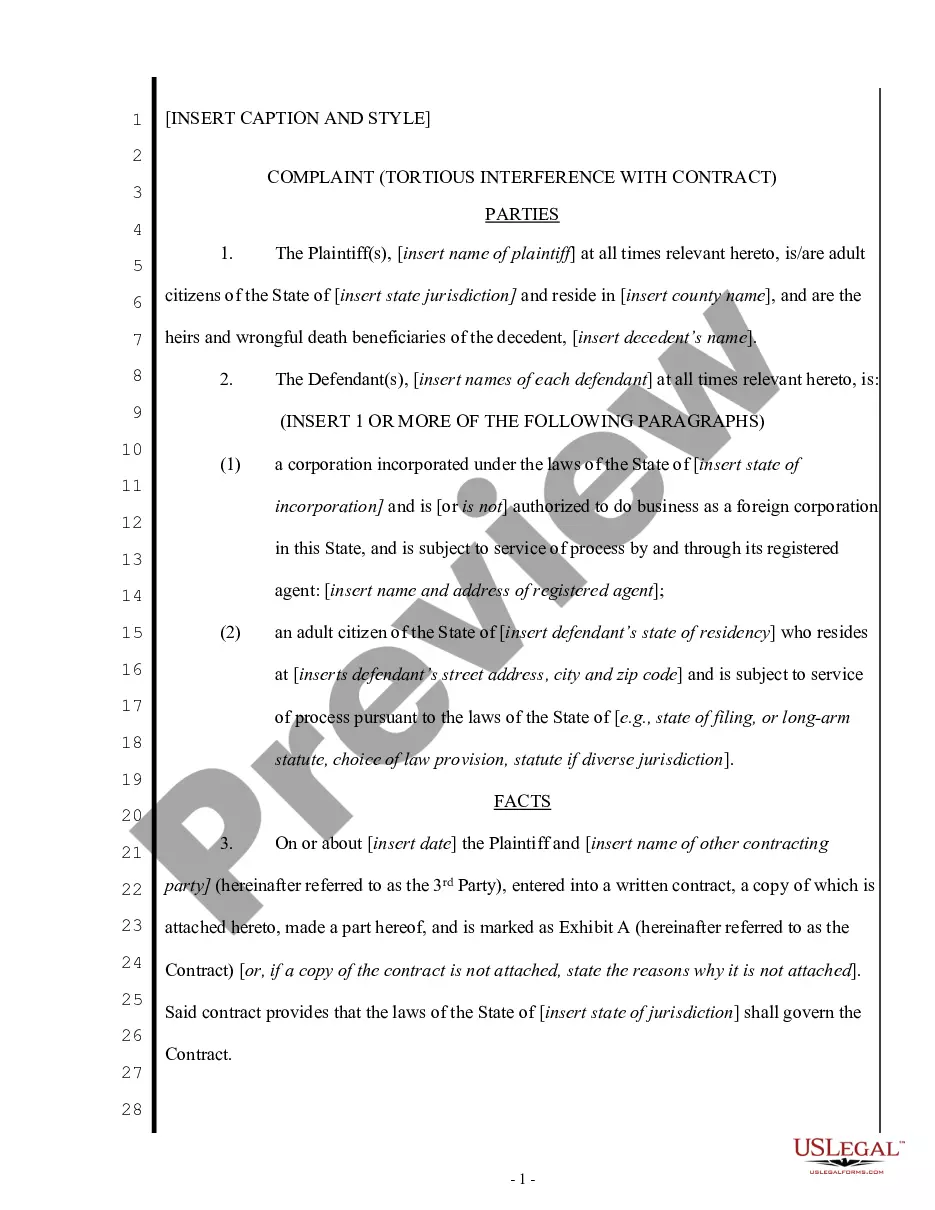
Get your form ready online
Our built-in tools help you complete, sign, share, and store your documents in one place.
Make edits, fill in missing information, and update formatting in US Legal Forms—just like you would in MS Word.
Download a copy, print it, send it by email, or mail it via USPS—whatever works best for your next step.
Sign and collect signatures with our SignNow integration. Send to multiple recipients, set reminders, and more. Go Premium to unlock E-Sign.
If this form requires notarization, complete it online through a secure video call—no need to meet a notary in person or wait for an appointment.
We protect your documents and personal data by following strict security and privacy standards.

Make edits, fill in missing information, and update formatting in US Legal Forms—just like you would in MS Word.

Download a copy, print it, send it by email, or mail it via USPS—whatever works best for your next step.

Sign and collect signatures with our SignNow integration. Send to multiple recipients, set reminders, and more. Go Premium to unlock E-Sign.

If this form requires notarization, complete it online through a secure video call—no need to meet a notary in person or wait for an appointment.

We protect your documents and personal data by following strict security and privacy standards.
Looking for another form?
Form popularity
FAQ
If an attorney-client relationship exists, an attorney owes a duty of confidentiality to the clients. Except in those situations where a court appoints an attorney, the attorney-client relationship is created by contract, either express or implied.
Professional Ethics: Most legal ethical codes strongly discourage or outright prohibit lawyers from engaging in romantic relationships with clients during representation. This is to maintain professional boundaries and ensure that the lawyer-client relationship is based solely on the client's legal needs.
Thus, even where the former attorney-client relationship has so deteriorated that the client is suing the lawyer for legal malpractice, the lawyer still owes a duty to the former client to protect his confidential information as much as is reasonably possible.
Dating a client can raise serious ethical concerns, primarily because it can create a conflict of interest. When an attorney enters into a personal relationship with a client, it can compromise their ability to remain objective and advocate effectively on behalf of the client.
These principles include the lawyer's obligation zealously to protect and pursue a client's legitimate interests, within the bounds of the law, while maintaining a professional, courteous and civil attitude toward all persons involved in the legal system.
Professional Ethics: Most legal ethical codes strongly discourage or outright prohibit lawyers from engaging in romantic relationships with clients during representation. This is to maintain professional boundaries and ensure that the lawyer-client relationship is based solely on the client's legal needs.
Of course, the first profession I looked at was lawyers. Unsurprisingly, it turns out that most lawyers marry other lawyers. But male lawyers also marry schoolteachers, secretaries, and miscellaneous managers. And lawyers marry people in other computer occupations.
Conflict of interest: Romantic involvement can cloud judgment, leading to compromised legal representation or decisions in favor of personal relationships. Confidentiality breaches: Intimate relationships may result in inadvertent disclosure of sensitive information, violating attorney-client privilege.
Professional Ethics: Most legal ethical codes strongly discourage or outright prohibit lawyers from engaging in romantic relationships with clients during representation. This is to maintain professional boundaries and ensure that the lawyer-client relationship is based solely on the client's legal needs.