Attorney Fund For Client Protection In Palm Beach
Description





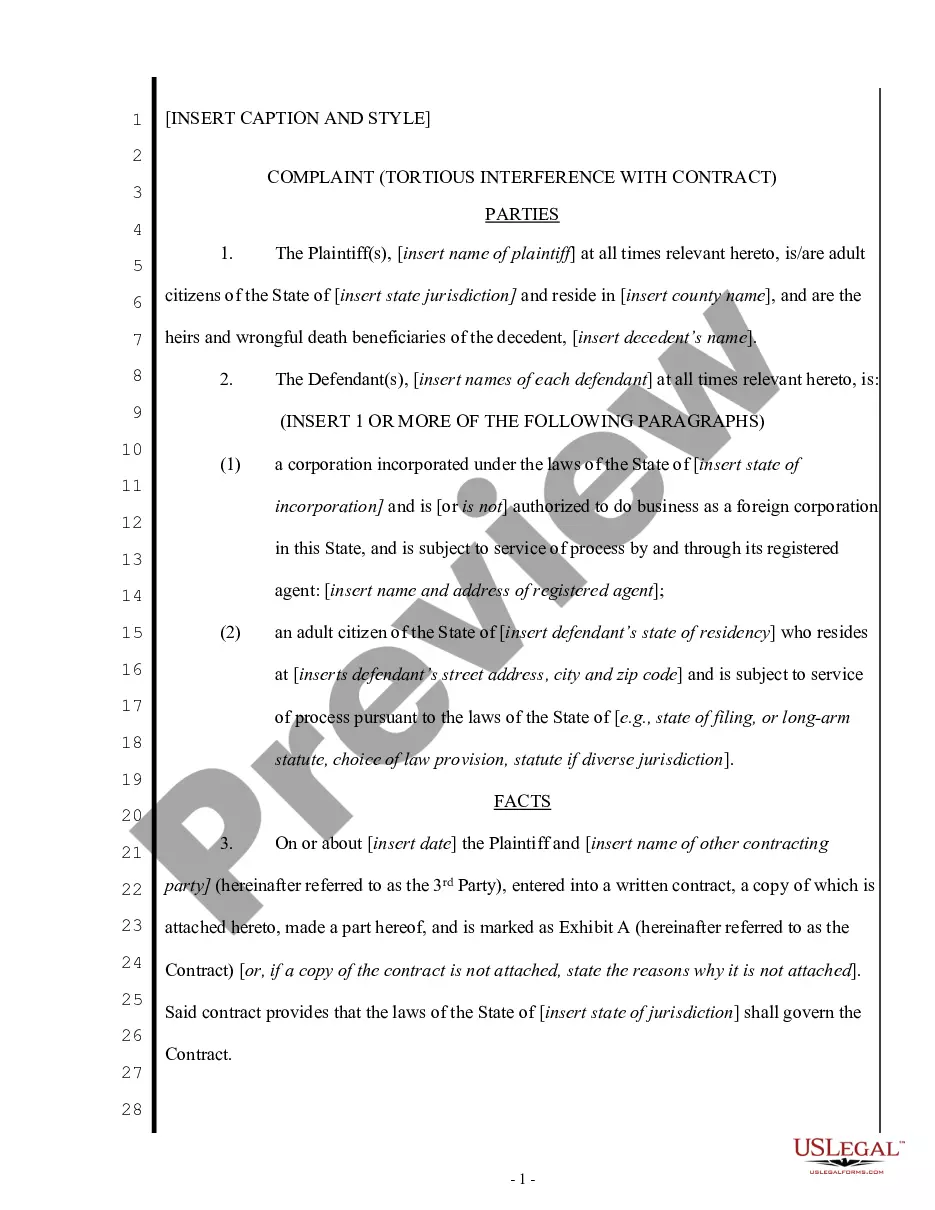
Get your form ready online
Our built-in tools help you complete, sign, share, and store your documents in one place.
Make edits, fill in missing information, and update formatting in US Legal Forms—just like you would in MS Word.
Download a copy, print it, send it by email, or mail it via USPS—whatever works best for your next step.
Sign and collect signatures with our SignNow integration. Send to multiple recipients, set reminders, and more. Go Premium to unlock E-Sign.
If this form requires notarization, complete it online through a secure video call—no need to meet a notary in person or wait for an appointment.
We protect your documents and personal data by following strict security and privacy standards.
Make edits, fill in missing information, and update formatting in US Legal Forms—just like you would in MS Word.
Download a copy, print it, send it by email, or mail it via USPS—whatever works best for your next step.
Sign and collect signatures with our SignNow integration. Send to multiple recipients, set reminders, and more. Go Premium to unlock E-Sign.
If this form requires notarization, complete it online through a secure video call—no need to meet a notary in person or wait for an appointment.
We protect your documents and personal data by following strict security and privacy standards.
Looking for another form?
Form popularity
FAQ
In Florida, ing to Rule of Civil Procedure 1.070 (j), a complaint must be served on the defendant within 120 days of its filing. If it is not served within the time frame specified, a motion to dismiss is appropriate, and the case is dismissed without prejudice.
Inquiries raised or complaints presented by or to The Florida Bar under these rules shall be commenced within 6 years from the time the matter giving rise to the inquiry or complaint is discovered or, with due diligence, should have been discovered.
Grievances must be filed within six years of the alleged offense.
(a) Time for Inquiries and Complaints. Inquiries raised or complaints presented by or to The Florida Bar under these rules shall be commenced within 6 years from the time the matter giving rise to the inquiry or complaint is discovered or, with due diligence, should have been discovered.
As advisor, a lawyer provides a client with an informed understanding of the client's legal rights and obligations and explains their practical implications. As advocate, a lawyer zealously asserts the client's position under the rules of the adversary system.
Law firm funding, also called portfolio litigation funding when there are multiple cases, is where a litigation finance company funds and contracts directly with a law firm by taking an interest in the law firm's contingency interest in a specified case or set of cases. Typically, the funding is non-recourse.
The 20-hour standard for the provision of pro bono legal service to the poor is a minimum. Additional hours of service are to be encouraged. Many lawyers will, as they have before the adoption of this rule, contribute many more hours than the minimum.
Legal funding can be called by many different names. However, all of these names denote the same meaning – it's a legal practice that allows a third party to provide capital/funding to plaintiffs during their lawsuit cases in return for a portion of the future settlement.