Advocate Client Relationship In Kenya In Wayne
Description

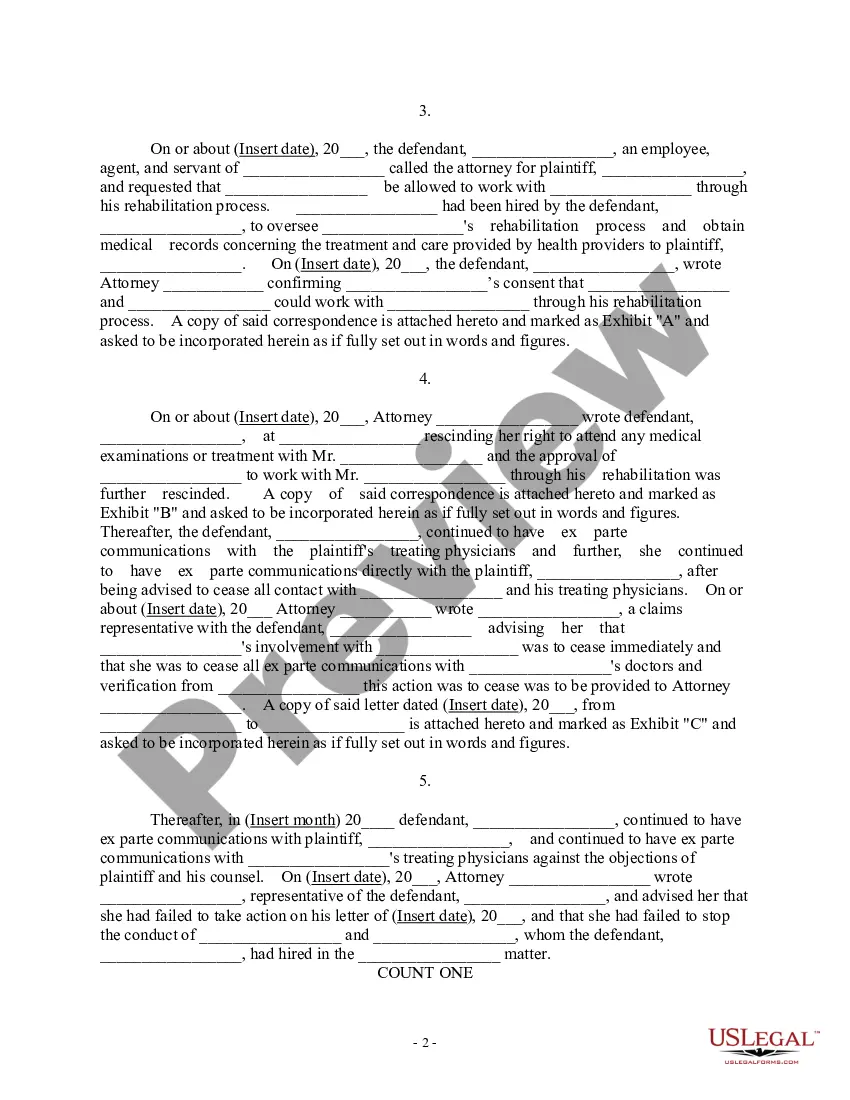
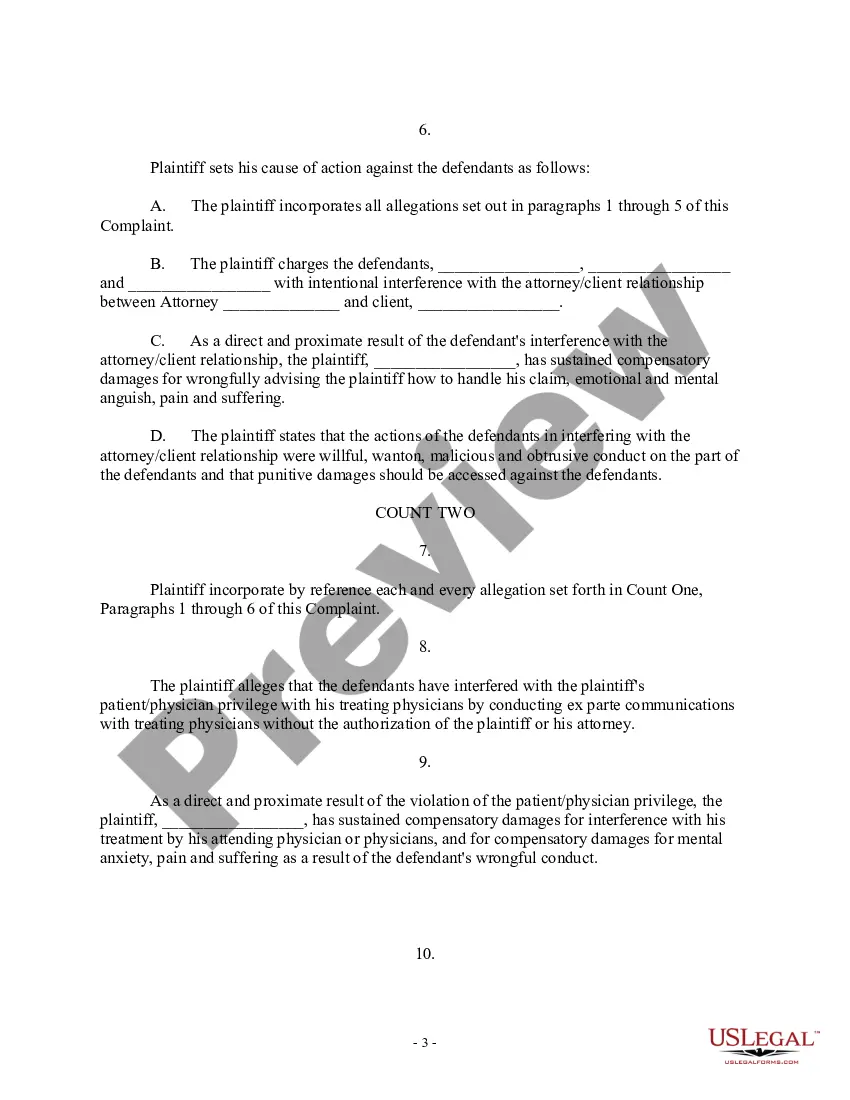
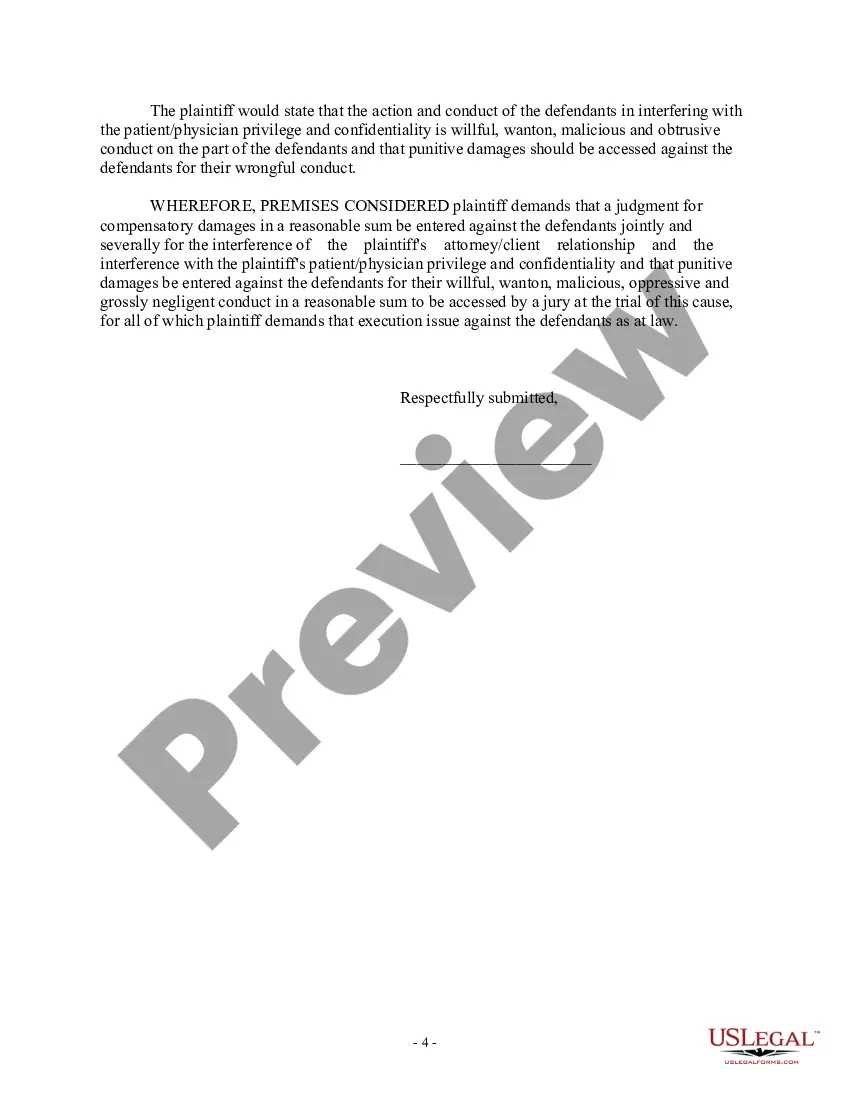

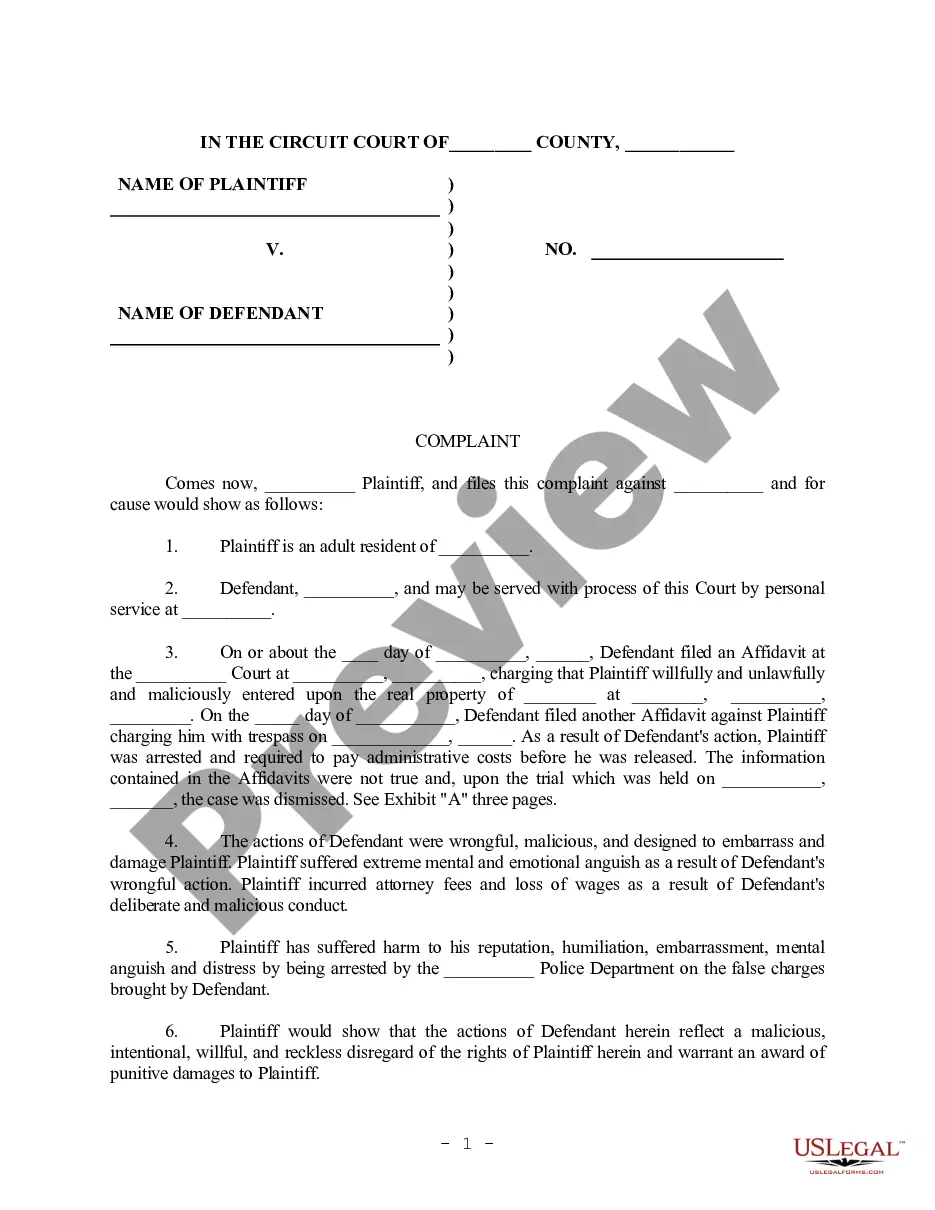

Get your form ready online
Our built-in tools help you complete, sign, share, and store your documents in one place.
Make edits, fill in missing information, and update formatting in US Legal Forms—just like you would in MS Word.
Download a copy, print it, send it by email, or mail it via USPS—whatever works best for your next step.
Sign and collect signatures with our SignNow integration. Send to multiple recipients, set reminders, and more. Go Premium to unlock E-Sign.
If this form requires notarization, complete it online through a secure video call—no need to meet a notary in person or wait for an appointment.
We protect your documents and personal data by following strict security and privacy standards.

Make edits, fill in missing information, and update formatting in US Legal Forms—just like you would in MS Word.

Download a copy, print it, send it by email, or mail it via USPS—whatever works best for your next step.

Sign and collect signatures with our SignNow integration. Send to multiple recipients, set reminders, and more. Go Premium to unlock E-Sign.

If this form requires notarization, complete it online through a secure video call—no need to meet a notary in person or wait for an appointment.

We protect your documents and personal data by following strict security and privacy standards.
Looking for another form?

Form popularity
FAQ
The Advocate is under a duty to provide the legal services in respect to which he/she is engaged competently, diligently and ethically. Failure to do so will be dealt with as professional misconduct.
The ADT is established under Section 57 of the Advocates Act, Cap 16 and is mandated to hear and determine complaints against advocates. The Advocates Disciplinary Tribunal adjudicates on matters brought before it.
Client privilege The Advocate has a duty to keep confidential the information received from and advice given to the client. Unauthorised disclosure of client confidential information is professional misconduct.
A clear statement of your complaint. This should be towards the top of your letter and should lay out exactly why you are dissatisfied. For example, if you believe the lawyer has lied to you, clearly state that you believe they have been dishonest. An easily understood statement of facts that back up your complaint.
Client privilege The Advocate has a duty to keep confidential the information received from and advice given to the client. Unauthorised disclosure of client confidential information is professional misconduct.
A lawyer is a person that has successfully completed an LLB degree, on the other hand, an advocate is a person who has attained admission to the bar.
In order to act in a client's best interests, the law in Kenya, places certain duties on advocates to the clients and they include: Duty of Loyalty: Advocates must prioritize their clients' interests above their own and avoid conflicts of interest.
Advocates work within the Social Services sector and fight for the needs and rights of other people. This can include jobs such as lawyers, mental health counselors, and patients' rights advocates in the medical field. Often social workers are advocates for people with psychological, legal, or addiction issues.