Title Vii And Independent Contractors In Georgia

State:
Multi-State
Control #:
US-000296
Format:
Word; 
Rich Text
Instant download

Description

The Complaint form for cases under Title VII of the Civil Rights Act of 1964 provides a structured means for individuals in Georgia to seek legal redress for employment discrimination and sexual harassment claims. This form is designed to facilitate the filing of complaints against employers, detailing the plaintiff's allegations and circumstances surrounding their case. Key features include sections for identifying the plaintiff and defendants, stating the basis for claims, and attaching necessary documentation like EEOC charges and Right to Sue Letters. Filling instructions emphasize the need for accuracy in personal information and effective expression of claims. The target audience, including attorneys, partners, owners, associates, paralegals, and legal assistants, can utilize this form to support clients in navigating the complexities of employment law. Proper completion of the form not only aids in presenting a clear case in court but also ensures compliance with procedural requirements essential for delivering justice. Understanding this document's utility is crucial for legal professionals assisting clients facing workplace discrimination, thus ensuring proper representation in legal proceedings.
Free preview
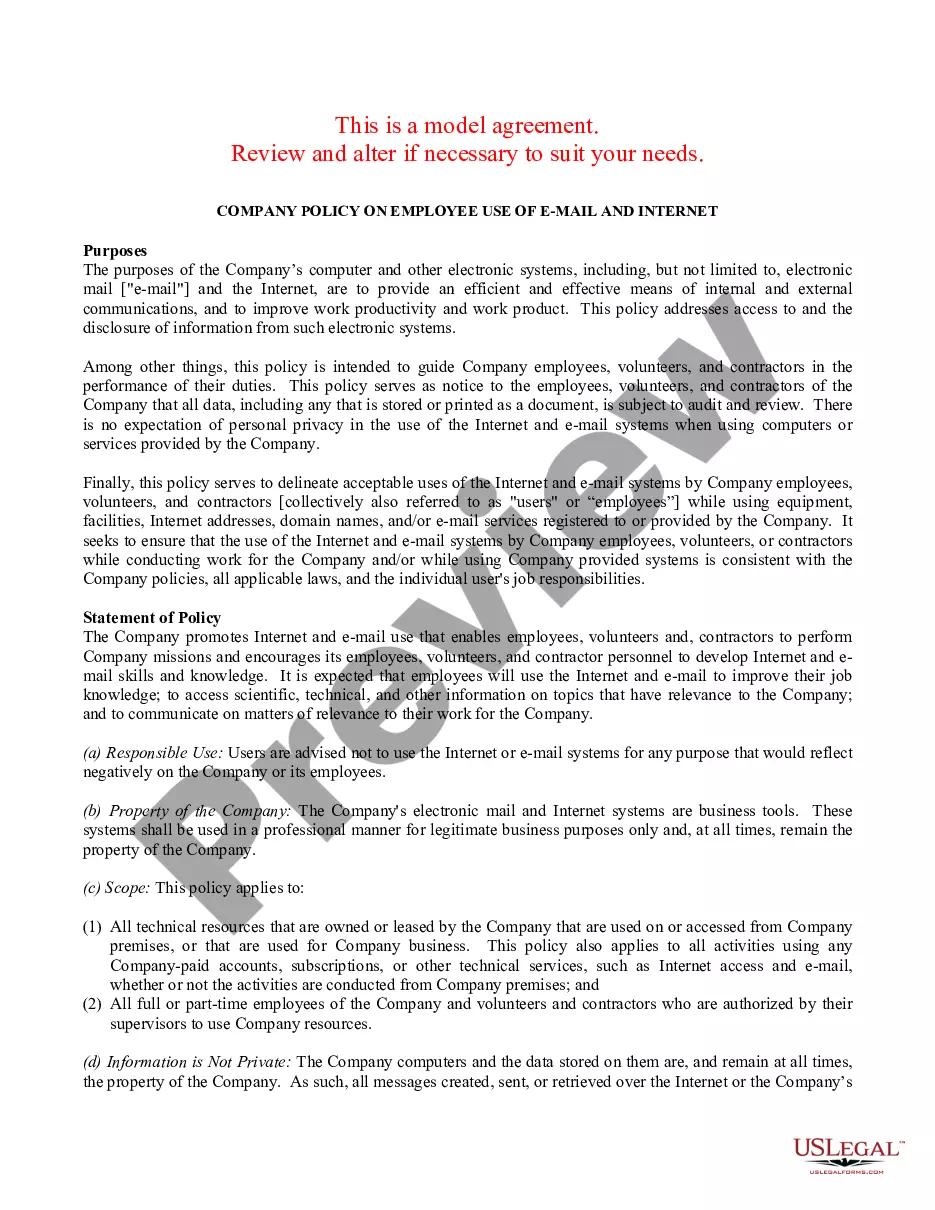
  • Preview Complaint For Employment or Workplace Discrimination and Sexual Harassment - Title VII Civil Rights Act
  • Preview Complaint For Employment or Workplace Discrimination and Sexual Harassment - Title VII Civil Rights Act

Form popularity

FAQ

Yes. To perform (or offer to perform) residential or commercial general contractor services for compensation in Georgia, you must be licensed in ance with the laws and rules that regulate this profession.

Under Georgia law, independent contractors do not qualify for workers' compensation. On rare occasions, the employer may offer workers' comp, but they're not legally obligated to do so unless you're a permanent employee at the business. Independent contractors, freelancers, and consultants are considered self-employed.

Any entity that conducts business in Georgia may be required to register with the Georgia Department of Revenue. Many factors determine whether you must register. These include — but are not limited to — businesses that employee workers, sell goods, or sell specific products such as alcohol or tobacco.

Georgia primarily differentiates between employees and independent contractors based on the level of control a business has over a worker's tasks and how they're performed. Contractors typically: Decide on their own work hours. Use their own tools or resources.

Contractors. A State License to conduct business as a residential and/or General Contractor is required prior to any permits being issued for such work. For State license information visit sos.georgia.

Georgia law requires all individuals or businesses that start residential construction projects valued at more than $2,500.00 to possess a license with the state as a general or residential contractor. O.C.G.A. § 41-43-17.
Trusted and secure by over 3 million people of the world’s leading companies

Title Vii And Independent Contractors In Georgia