Discrimination Definition By Authors In Hennepin
Description




Get your form ready online
Our built-in tools help you complete, sign, share, and store your documents in one place.
Make edits, fill in missing information, and update formatting in US Legal Forms—just like you would in MS Word.
Download a copy, print it, send it by email, or mail it via USPS—whatever works best for your next step.
Sign and collect signatures with our SignNow integration. Send to multiple recipients, set reminders, and more. Go Premium to unlock E-Sign.
If this form requires notarization, complete it online through a secure video call—no need to meet a notary in person or wait for an appointment.
We protect your documents and personal data by following strict security and privacy standards.

Make edits, fill in missing information, and update formatting in US Legal Forms—just like you would in MS Word.

Download a copy, print it, send it by email, or mail it via USPS—whatever works best for your next step.

Sign and collect signatures with our SignNow integration. Send to multiple recipients, set reminders, and more. Go Premium to unlock E-Sign.

If this form requires notarization, complete it online through a secure video call—no need to meet a notary in person or wait for an appointment.

We protect your documents and personal data by following strict security and privacy standards.
Looking for another form?
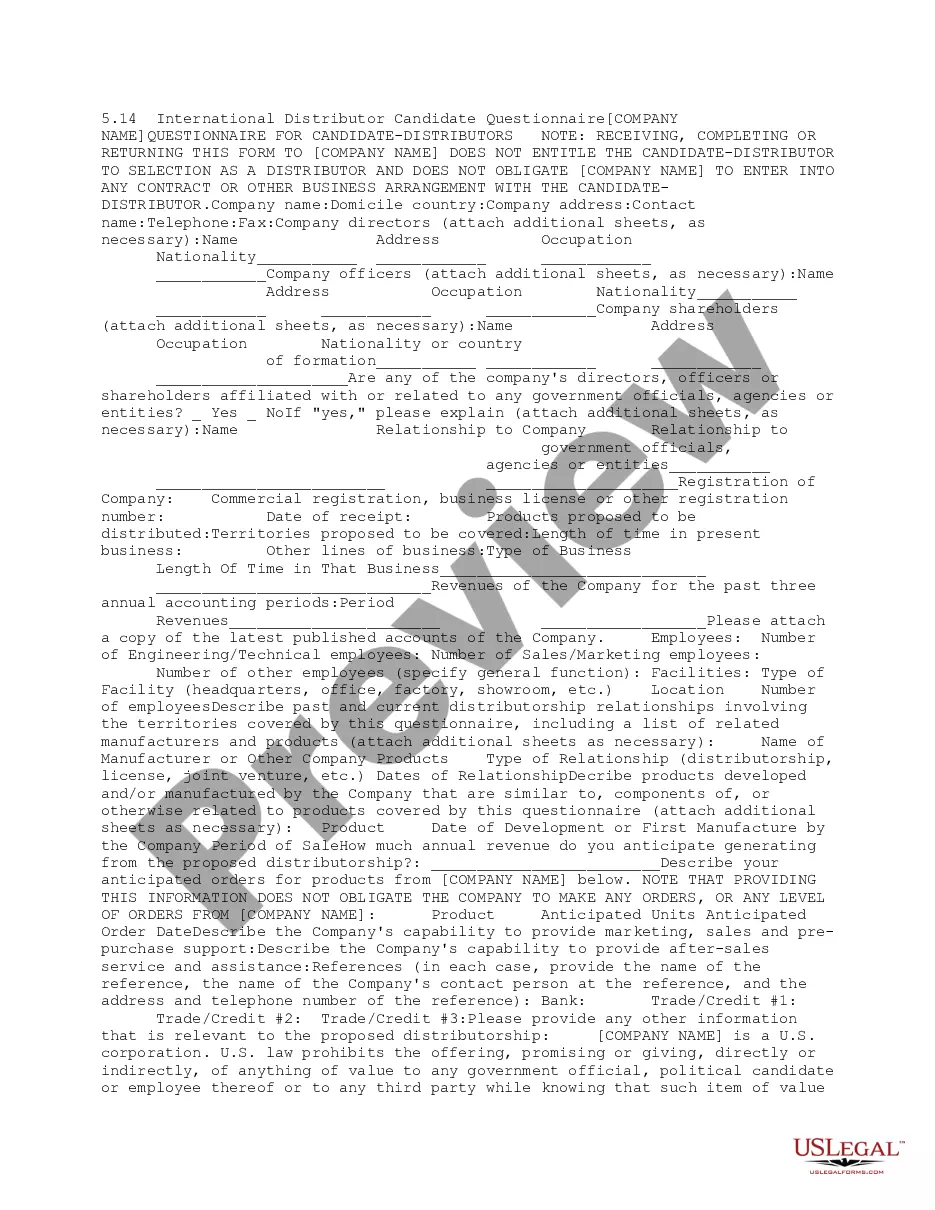


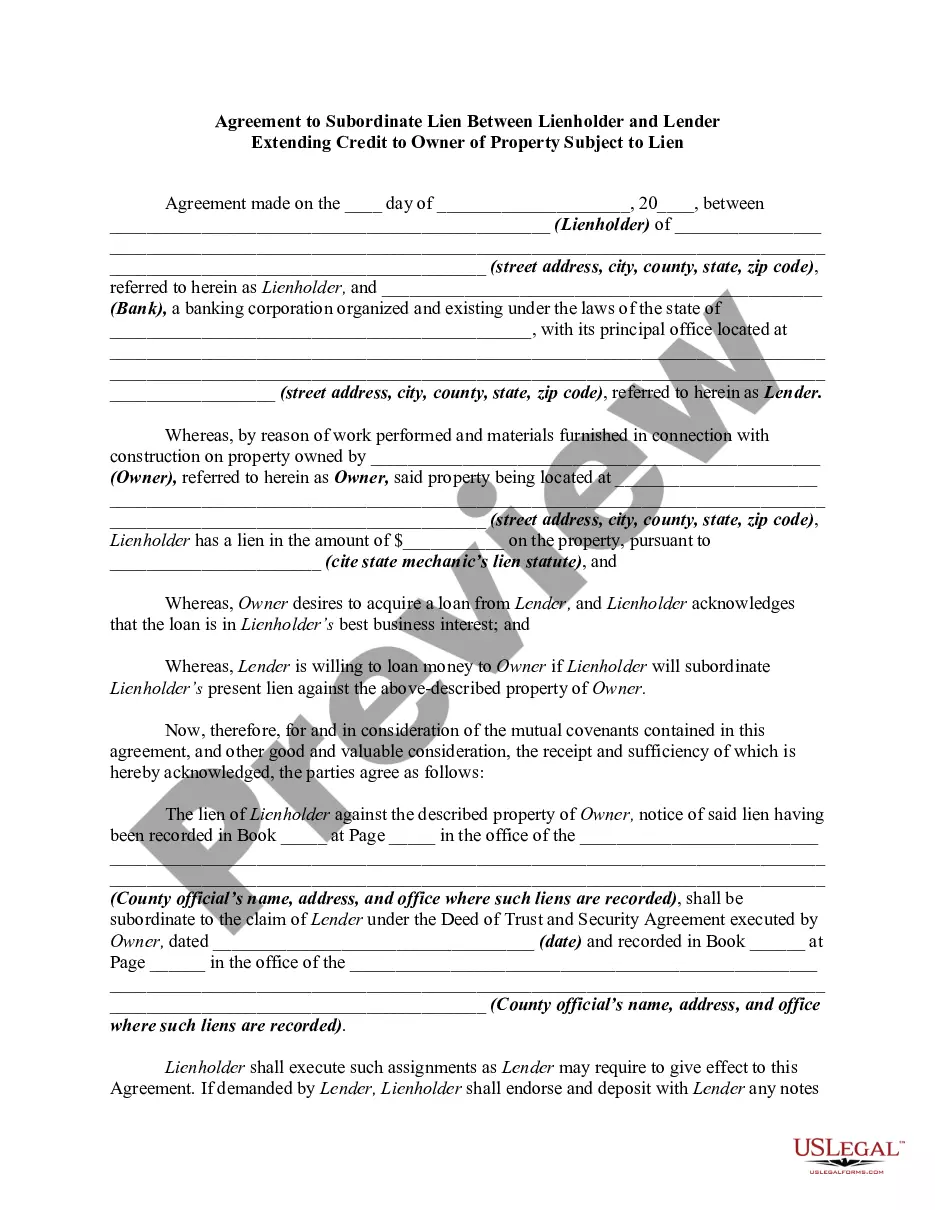

Form popularity
FAQ
Overview of the Minnesota Environmental Policy Act (MEPA) MEPA was enacted in 1973 to promote efforts that will prevent or eliminate damage to the environment and biosphere, stimulate the health and welfare of humans, and enrich the understanding of ecological systems and natural resources.
A simplified description of the legal definition of discrimination is when a person is treated disfavourably or when a person's dignity is violated.
What is discrimination? Discrimination is the unfair or prejudicial treatment of people and groups based on characteristics such as race, gender, age, or sexual orientation. That's the simple answer. But explaining why it happens is more complicated.
Theories of Discrimination Several theories have shaped our understanding of intergroup relations, prejudice and discrimination, and we focus on four here: the social identity perspective, the 'behaviours from inter- group affect and stereotypes' map, aversive racism theory and system justification theory.
Definition. Discrimination happens when a person, or a group of people, is treated less favourably than another person or group because of their background or certain personal characteristics.
Social discrimination refers to the unfair treatment or prejudice against certain groups based on factors such as social status, ethnicity, or race, leading to conflicts and social inequalities.
Include the following in your complaint letter: Your name, address and telephone number. The name, address, and telephone number of your attorney or authorized representative, if you are represented. The basis of your complaint. The date(s) that the incident(s) you are reporting as discrimination occurred.
Include the following in your complaint letter: Your name, address and telephone number. The name, address, and telephone number of your attorney or authorized representative, if you are represented. The basis of your complaint. The date(s) that the incident(s) you are reporting as discrimination occurred.
Examples of Employment Discrimination Failure to hire. Harassment. Quid pro quo: Conditioning employment or promotion on sexual favors. Hostile Work Environment: Continuous actions and comments based on protected characteristics that create an uncomfortable and hostile workplace.
If you've experienced unlawful discrimination, you can complain to the person or organisation who's discriminated against you. You can also make a discrimination claim in the civil courts. Read this page to find out what you should do before you take action about unlawful discrimination.