Discrimination Definition In Life Orientation In Michigan
Description




Get your form ready online
Our built-in tools help you complete, sign, share, and store your documents in one place.
Make edits, fill in missing information, and update formatting in US Legal Forms—just like you would in MS Word.
Download a copy, print it, send it by email, or mail it via USPS—whatever works best for your next step.
Sign and collect signatures with our SignNow integration. Send to multiple recipients, set reminders, and more. Go Premium to unlock E-Sign.
If this form requires notarization, complete it online through a secure video call—no need to meet a notary in person or wait for an appointment.
We protect your documents and personal data by following strict security and privacy standards.
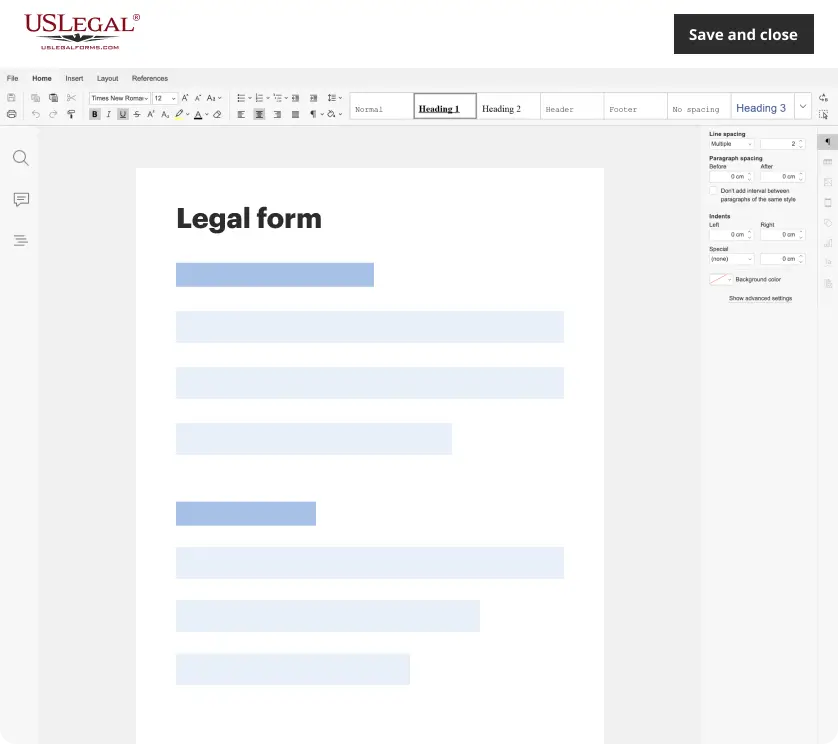
Make edits, fill in missing information, and update formatting in US Legal Forms—just like you would in MS Word.
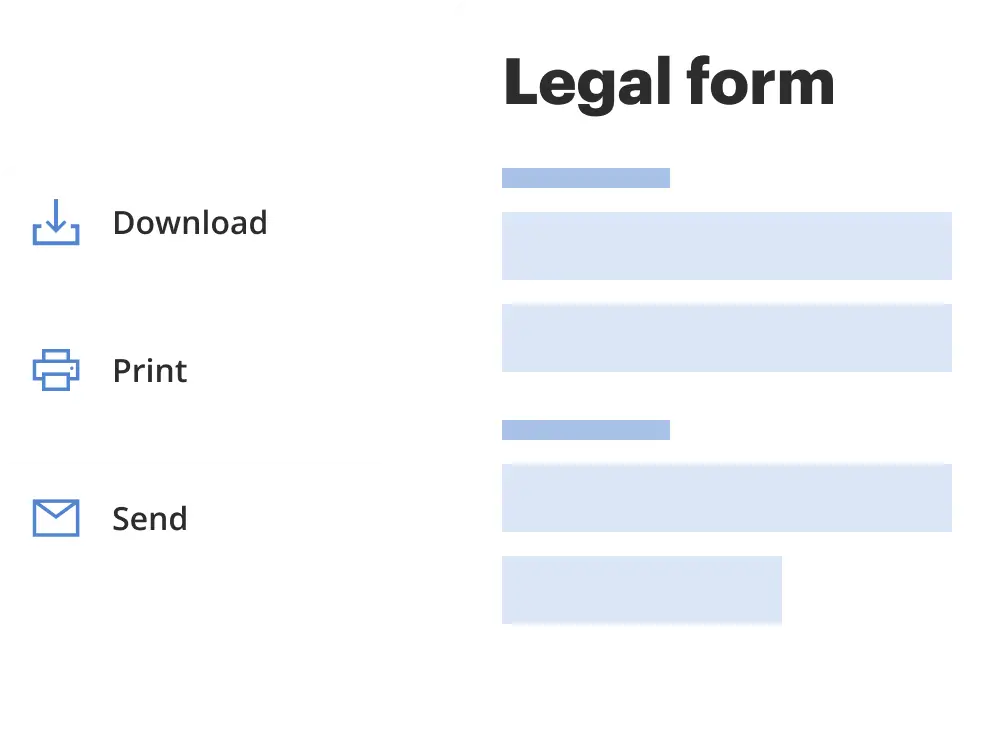
Download a copy, print it, send it by email, or mail it via USPS—whatever works best for your next step.
Sign and collect signatures with our SignNow integration. Send to multiple recipients, set reminders, and more. Go Premium to unlock E-Sign.
If this form requires notarization, complete it online through a secure video call—no need to meet a notary in person or wait for an appointment.
We protect your documents and personal data by following strict security and privacy standards.
Looking for another form?

Form popularity
FAQ
The most common method of proof for discrimination cases is circumstantial evidence. Under Michigan law, the employee must not merely raise a triable issue that the employer's articulated reason was pretextual, but that it was a pretext for unlawful discrimination.
Racial discrimination occurs when a person is treated less favourably, or not given the same opportunities, as others in a similar situation, because of their race, the country where they were born, their ethnic origin or their skin colour.
Discrimination, which is often the result of prejudices people hold, makes people powerless, impedes them from becoming active citizens, restricts them from developing their skills and, in many situations, from accessing work, health services, education or accommodation.
Discrimination is the unfair or prejudicial treatment of people and groups based on characteristics such as race, gender, age, or sexual orientation. That's the simple answer. But explaining why it happens is more complicated. The human brain naturally puts things in categories to make sense of the world.
To treat a person or particular group of people differently, especially in a worse way from the way in which you treat other people, because of their race, gender, sexuality, etc.: be discriminated against She felt she had been discriminated against because of her age.
Age. Age discrimination involves treating someone (an applicant or employee) less favorably because of age. Disability. Genetic Information. Unlawful Workplace Harassment (Harassment) ... National Origin. Pregnancy. Race/Color. Religion.
Discrimination is what happens to people when they are treated differently because of the color of their skin, the country they were born in, their age, their physical or mental disabilities, their height or weight, the religion they practice, or because they are boys or girls.
Definition. Discrimination happens when a person, or a group of people, is treated less favourably than another person or group because of their background or certain personal characteristics.
You may file a complaint of discrimination using the online complaint form or by calling 1-800-482-3604. Pursuant to section 238 of PA 166 of 2022, the Michigan Department of Civil Rights posts this notice that it has adopted a hybrid policy that includes in-person, remote, and alternative work arrangements.