Title Vii And Retaliation In Nevada
Description




Get your form ready online
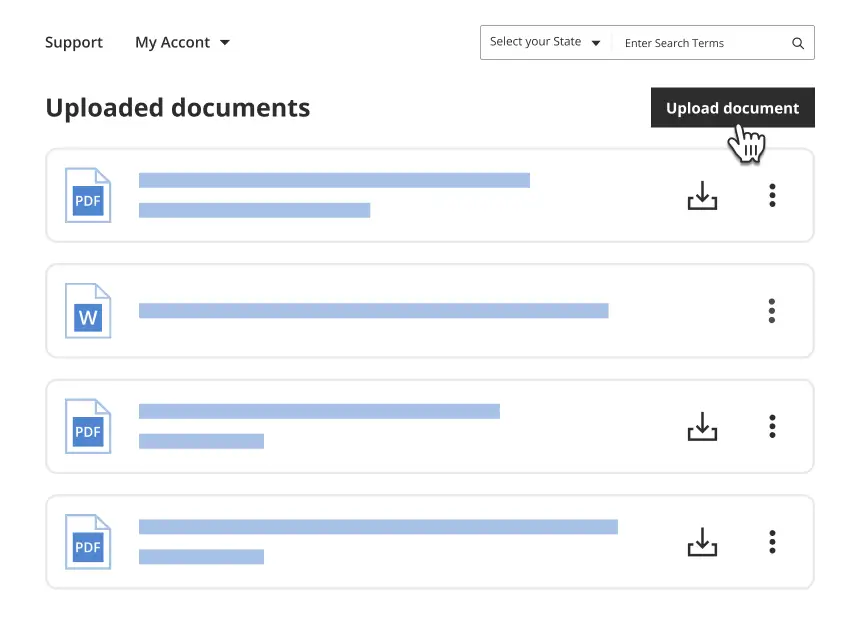
Our built-in tools help you complete, sign, share, and store your documents in one place.
Make edits, fill in missing information, and update formatting in US Legal Forms—just like you would in MS Word.
Download a copy, print it, send it by email, or mail it via USPS—whatever works best for your next step.
Sign and collect signatures with our SignNow integration. Send to multiple recipients, set reminders, and more. Go Premium to unlock E-Sign.
If this form requires notarization, complete it online through a secure video call—no need to meet a notary in person or wait for an appointment.
We protect your documents and personal data by following strict security and privacy standards.
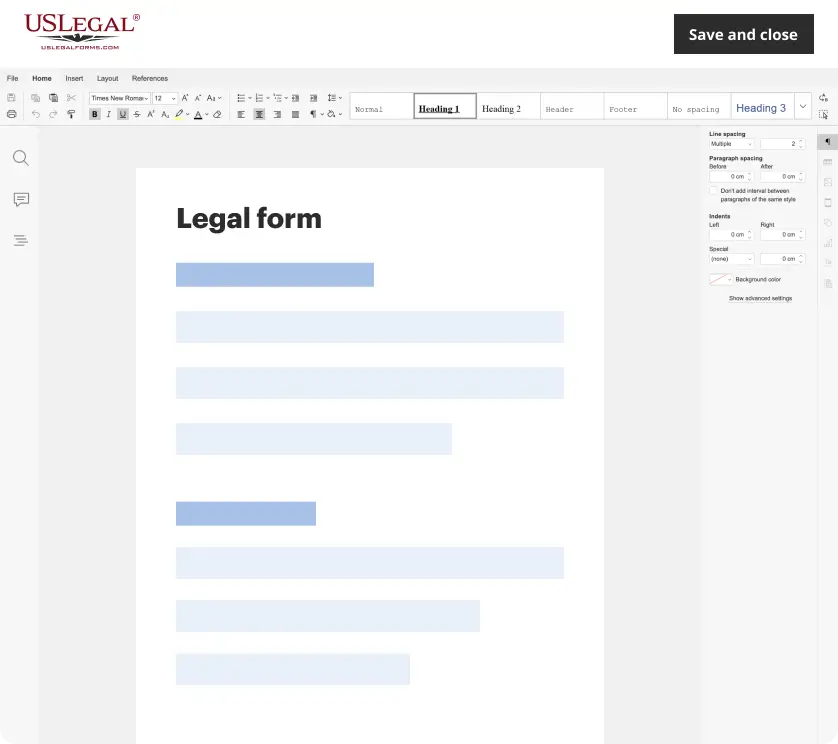
Make edits, fill in missing information, and update formatting in US Legal Forms—just like you would in MS Word.
Download a copy, print it, send it by email, or mail it via USPS—whatever works best for your next step.
Sign and collect signatures with our SignNow integration. Send to multiple recipients, set reminders, and more. Go Premium to unlock E-Sign.
If this form requires notarization, complete it online through a secure video call—no need to meet a notary in person or wait for an appointment.
We protect your documents and personal data by following strict security and privacy standards.
Looking for another form?




Form popularity
FAQ
Yes, if you were wrongfully terminated due to discrimination, retaliation, or a violation of your employment contract, you may have grounds for a legal claim.
Along the same line, an employer in Nevada can terminate a worker at any time—without cause and notice. Indeed, your employer has the right to terminate your employment at any time and without having to establish that they have a good reason to do so.
A “hostile work environment” is defined as harassment, speech or conduct that is severe (harsh; unnecessarily extreme) or pervasive (spreading or spread throughout) enough to create a work environment that a reasonable person would consider intimidating, hostile, or abusive and is based on someone's race, color, ...
Under the Nevada Fair Employment Practices Act, employers are prohibited from failing or refusing to hire; terminating; limiting, segregating, or classifying; denying training opportunities to; or otherwise discriminating against an individual with respect to compensation or terms, condi- tions, or privileges of ...
Minimum wage in the state of Nevada will be increasing to $12.00 an hour starting July 1, 2024. Nevada Ballot Question 2, passed by voters in November 2022, eliminates the two-tier minimum wage system which provided a reduction in the required minimum wage if an employer offered qualifying health benefits.
Nevada's 4/10 rule allows employees to work four 10-hour shifts in a week without triggering daily overtime. To use this arrangement, both the employer and employee must agree in writing. This written agreement clearly outlines the schedule and ensures compliance with Nevada's overtime laws.
The employee must first present evidence that he is a member of a protected class, he was qualified for the position he held, he suffered an adverse employment action such as being fired, and that he was replaced with another worker who is not a member of that protected class.