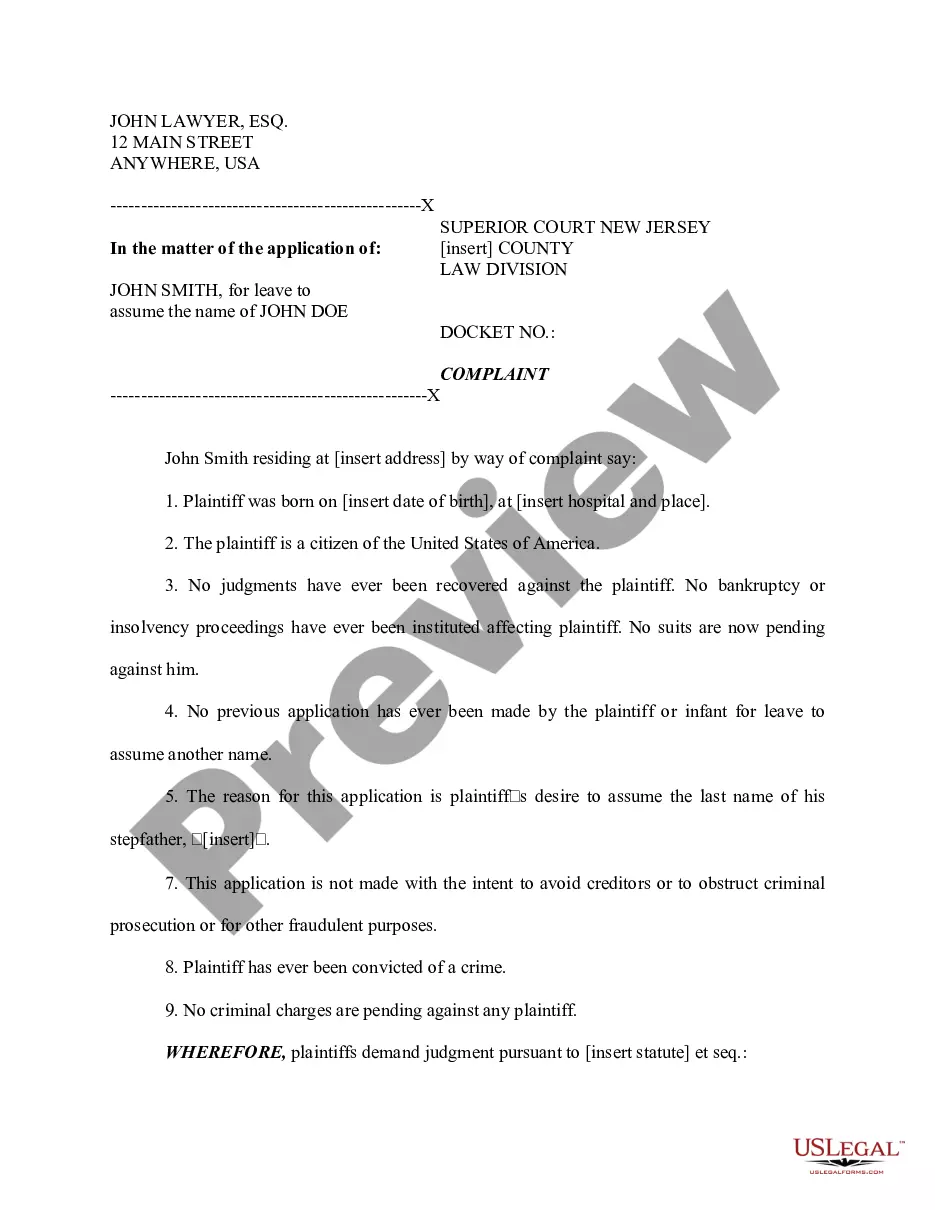
Title Vii Rights With The Constitution In Suffolk
Description




Get your form ready online
Our built-in tools help you complete, sign, share, and store your documents in one place.
Make edits, fill in missing information, and update formatting in US Legal Forms—just like you would in MS Word.
Download a copy, print it, send it by email, or mail it via USPS—whatever works best for your next step.
Sign and collect signatures with our SignNow integration. Send to multiple recipients, set reminders, and more. Go Premium to unlock E-Sign.
If this form requires notarization, complete it online through a secure video call—no need to meet a notary in person or wait for an appointment.
We protect your documents and personal data by following strict security and privacy standards.

Make edits, fill in missing information, and update formatting in US Legal Forms—just like you would in MS Word.

Download a copy, print it, send it by email, or mail it via USPS—whatever works best for your next step.

Sign and collect signatures with our SignNow integration. Send to multiple recipients, set reminders, and more. Go Premium to unlock E-Sign.

If this form requires notarization, complete it online through a secure video call—no need to meet a notary in person or wait for an appointment.

We protect your documents and personal data by following strict security and privacy standards.
Looking for another form?
Form popularity
FAQ
The New York Constitution has been interpreted to grant stronger protections regarding self-incrimination, double jeopardy, due process, religious liberty, freedom of speech, freedom of the press, and the rights of immigrants.
Title VII of the Civil Rights Act does not cover federal employees or independent contractors. However, federal employees are protected against discrimination by other federal anti-discrimination laws.
Discrimination in the private sector is not directly constrained by the Constitution, but has become subject to a growing body of federal and state law, including the Title VII of the Civil Rights Act of 1964.
Title VII is enforced by the Equal Employment Opportunity Commission. Most employees and job applicants are protected by Title VII, but independent contractors are not.
A summons with notice or summons and complaint must be served within 120 days of filing with the County Clerk.
The statute of limitations for filing all discrimination complaints in a New York court under the Human Rights Law remains three years.
You can protect our communities against hate by reporting a hate or bias incident. The New York State Division of Human Rights is dedicated to eliminating discrimination, remedying injustice, and promoting equal opportunity, access, and dignity.
FOR ACTS THAT OCCURRED ON OR AFTER 2/15/2024, you must file your complaint within three years of the most recent act of alleged discrimination. If you were terminated, you must file within three years of the date you were first informed you would be terminated.
Title VII covers all private employers, state and local governments, and education institutions that employ 15 or more employees for 20 or more weeks in the preceding or current calendar year and prohibits unlawful discrimination in all aspects of employment, including but not limited to hiring and firing as well as ...