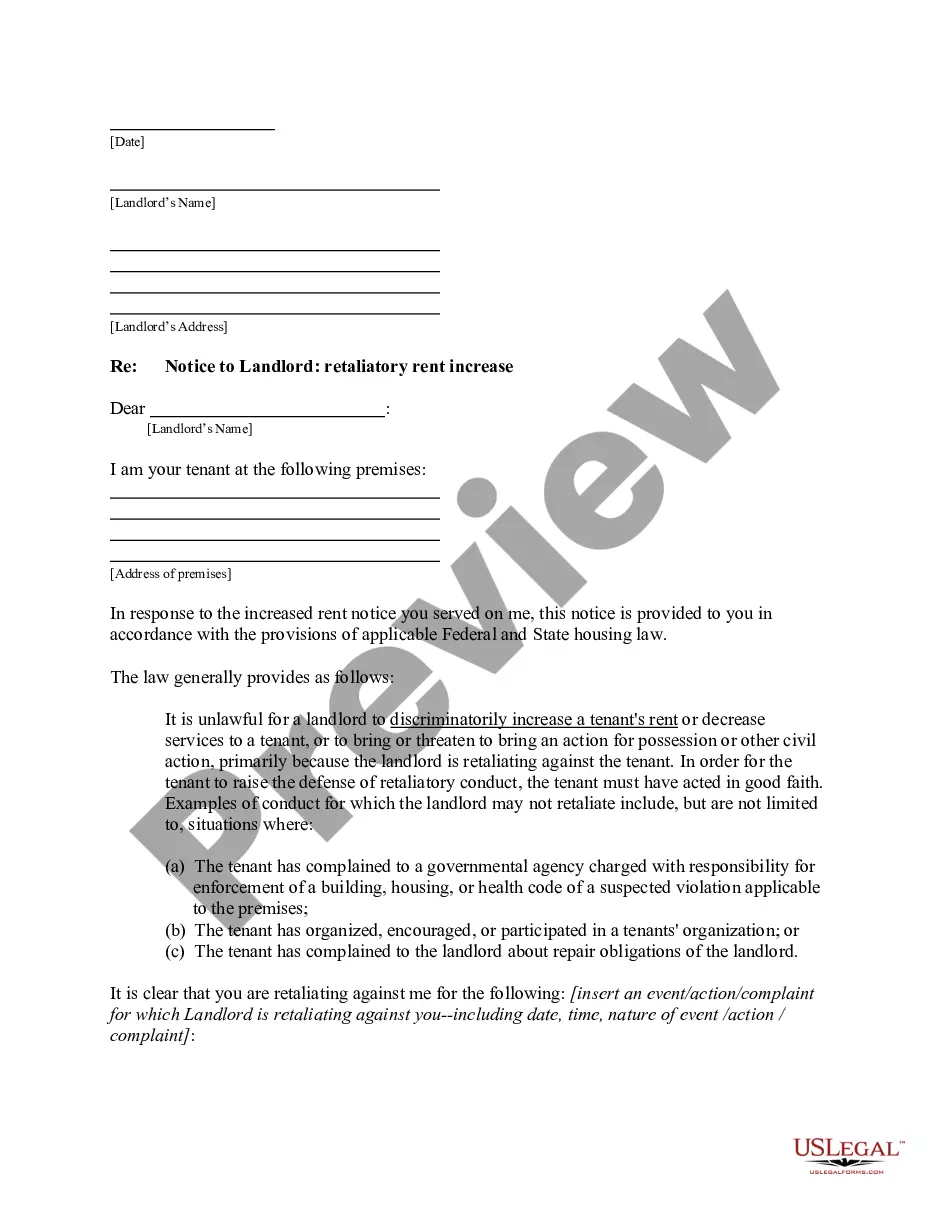
Employment Workplace Discrimination Within The United States In Utah
Description




Get your form ready online
Our built-in tools help you complete, sign, share, and store your documents in one place.
Make edits, fill in missing information, and update formatting in US Legal Forms—just like you would in MS Word.
Download a copy, print it, send it by email, or mail it via USPS—whatever works best for your next step.
Sign and collect signatures with our SignNow integration. Send to multiple recipients, set reminders, and more. Go Premium to unlock E-Sign.
If this form requires notarization, complete it online through a secure video call—no need to meet a notary in person or wait for an appointment.
We protect your documents and personal data by following strict security and privacy standards.
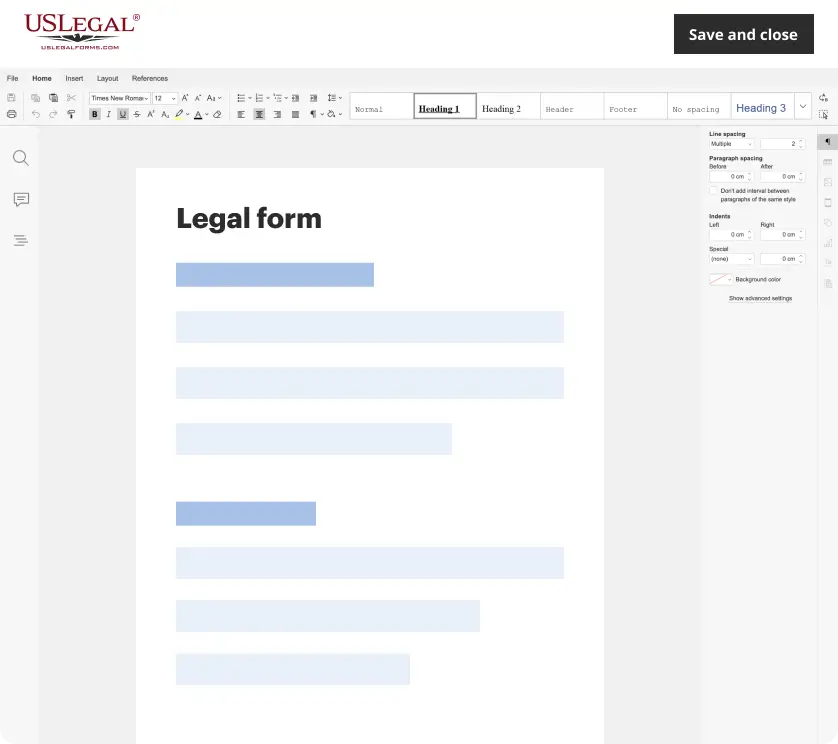
Make edits, fill in missing information, and update formatting in US Legal Forms—just like you would in MS Word.
Download a copy, print it, send it by email, or mail it via USPS—whatever works best for your next step.
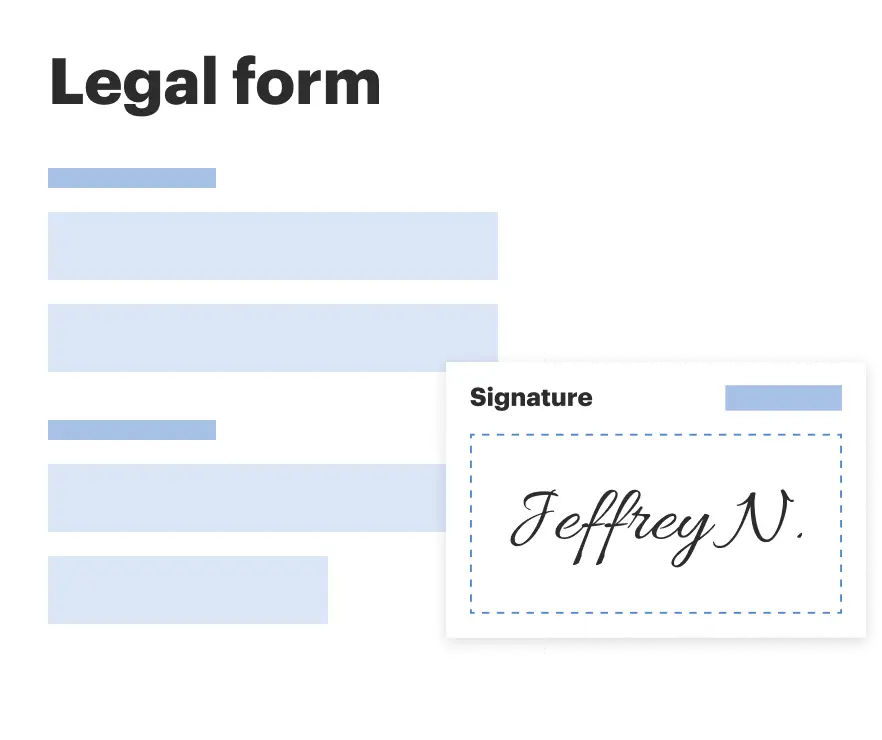
Sign and collect signatures with our SignNow integration. Send to multiple recipients, set reminders, and more. Go Premium to unlock E-Sign.
If this form requires notarization, complete it online through a secure video call—no need to meet a notary in person or wait for an appointment.
We protect your documents and personal data by following strict security and privacy standards.
Looking for another form?
Form popularity
FAQ
File a Complaint / Issue For an unresolved issue: First, contact your local Workforce Services Office and discuss your issue with a service provider and/or supervisor. File a complaint: To file a complaint, fill out the online form. Other state government contacts for unresolved issues: Child Support. Equal Opportunity.
If Your Employment Rights Are Violated If you believe your employment rights have been violated you can either call the Disability Law Center, file a complaint with the Utah AntiDiscrimination and Labor Division (UALD), or file a complaint with the Equal Employment Opportunity Committee (EEOC).
Keep a Written Record: The first step in documenting employment discrimination is to keep a written record of every incident that occurs. Your records should include dates, times, locations, who was involved, who witnessed it, and details of what exactly happened.
If you believe your employment rights have been violated you can either call the Disability Law Center, file a complaint with the Utah AntiDiscrimination and Labor Division (UALD), or file a complaint with the Equal Employment Opportunity Committee (EEOC).
You may need to consult an attorney to determine what remedies may be available to you and any statute of limitations that may apply to your complaint. If you have any questions prior to filling your complaint, you may call the division at (801)530‑6601 during normal business hours.
Follow these steps to write a complaint letter to your boss about someone else you work with: Try to resolve the conflict on your own. Make sure you have an issue to report. State the purpose of the letter. Include a lot of detail. Explain your involvement in the situation. Propose a resolution. Make a copy of your letter.
Workplace harassment and abusive conduct: Rule R477-15 of the Utah Administrative Code prohibits all types of harassment in the workplace, including conduct on the part of an employer, supervisor or another person at work that is unwelcome, demeaning, pervasive, ridiculing, coercive or derisive, and that results in an ...
Report discrimination to a local Fair Employment Practices Agency (FEPA). If the discrimination breaks both a state and federal law, the FEPA will also send your complaint to the EEOC. Use the EEOC's directory of field offices to find the FEPA near you.
To state a claim for a hostile work environment under FEHA, a plaintiff must allege facts demonstrating that (1) he or she is a member of a protected class, (2) he or she was subjected to unwelcome acts, comments, or physical conduct because of the protected characteristic, (3) such conduct was sufficiently severe or ...