Discrimination Title Vii Rights With Child Protective Services In Wake
Description




Get your form ready online
Our built-in tools help you complete, sign, share, and store your documents in one place.
Make edits, fill in missing information, and update formatting in US Legal Forms—just like you would in MS Word.
Download a copy, print it, send it by email, or mail it via USPS—whatever works best for your next step.
Sign and collect signatures with our SignNow integration. Send to multiple recipients, set reminders, and more. Go Premium to unlock E-Sign.
If this form requires notarization, complete it online through a secure video call—no need to meet a notary in person or wait for an appointment.
We protect your documents and personal data by following strict security and privacy standards.
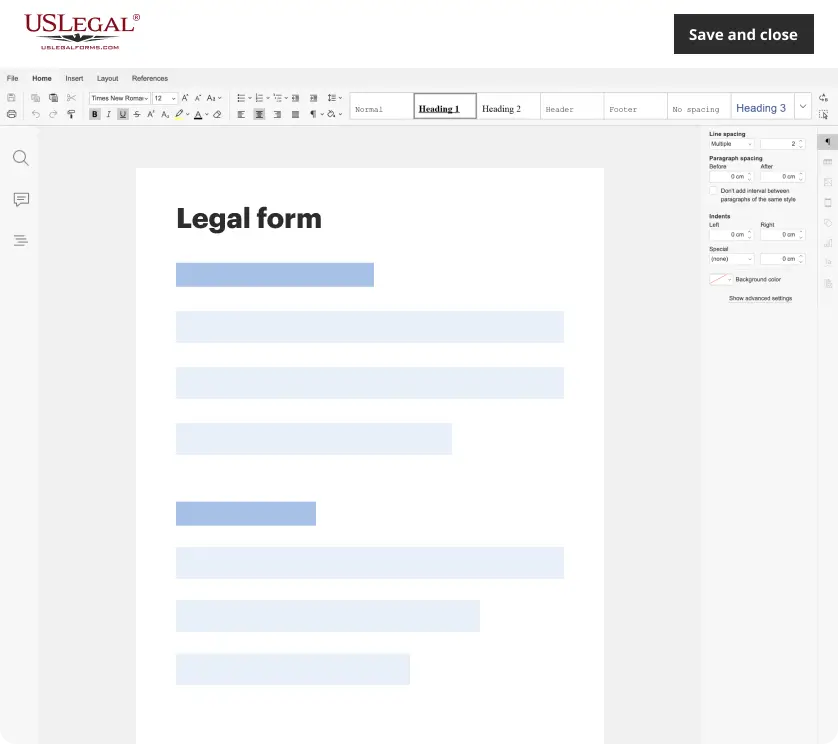
Make edits, fill in missing information, and update formatting in US Legal Forms—just like you would in MS Word.
Download a copy, print it, send it by email, or mail it via USPS—whatever works best for your next step.
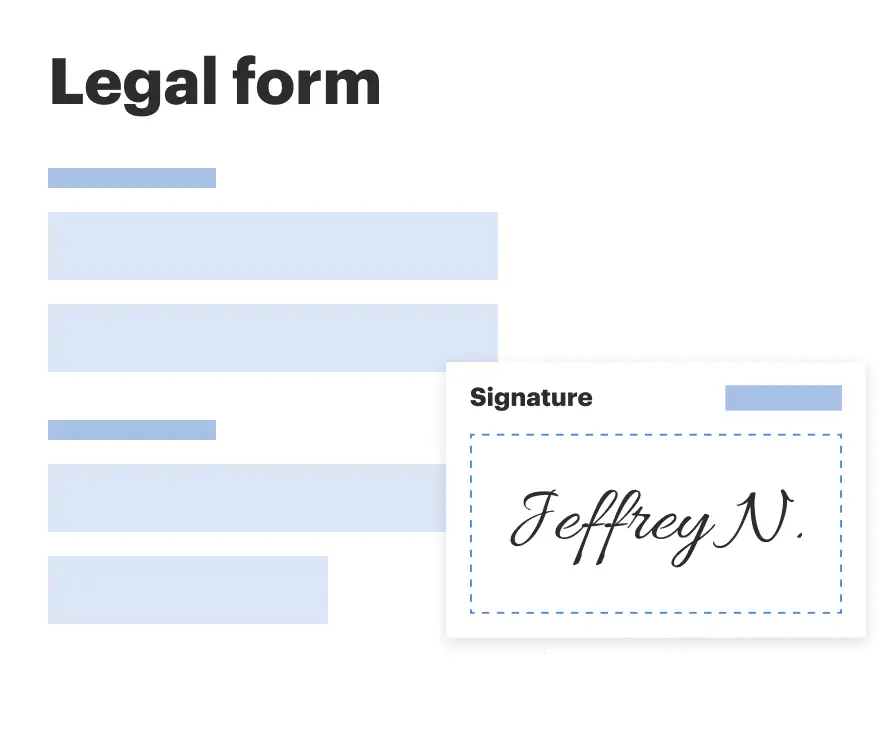
Sign and collect signatures with our SignNow integration. Send to multiple recipients, set reminders, and more. Go Premium to unlock E-Sign.
If this form requires notarization, complete it online through a secure video call—no need to meet a notary in person or wait for an appointment.
We protect your documents and personal data by following strict security and privacy standards.
Looking for another form?









Form popularity
FAQ
One of those characteristics is religion. The federal law requires that employers reasonably accommodate an applicant's or an employee's sincerely held religious belief unless the accommodation would pose an undue hardship.
Reasonable Accommodation is any modification or adjustment to a job, the work environment that enables a qualified individual with a disability to have equal employment opportunity.
The employee must first present evidence that he is a member of a protected class, he was qualified for the position he held, he suffered an adverse employment action such as being fired, and that he was replaced with another worker who is not a member of that protected class.
Religious Accommodation Title VII requires federal agencies, upon notice of a request, to reasonably accommodate employees whose sincerely held religious beliefs, practices or observances conflict with work requirements, unless the accommodation would create an undue hardship.
True. The most frequent accommodation issue under Title VII's religious discrimination provisions arises from the conflict between religious practices and work schedules.
In fact, the title defines an employee as simply "an individual employed by an employer." Therefore, assuming they work — or are applying to work — for a covered employer as outlined above, Title VII provides discrimination protection for all employees, former employees, and those applying to be employees.
Complaints of alleged violations of the Code of Ethics by a caseworker may be reported to the State licensing board. A directory of State social work licensing boards is available on the Association of Social Work Boards website.
Filing a Complaint Contact the Office of the Professions complaint hotline at 1-800-442-8106, one of our regional offices, or e-mail conduct@nysed . You will be asked to fill out our complaint form.
Complaints of alleged violations of the Code of Ethics by a caseworker may be reported to the State licensing board. A directory of State social work licensing boards is available on the Association of Social Work Boards website.