Employment Workplace Discrimination Within The United States In Washington
Description




Get your form ready online
Our built-in tools help you complete, sign, share, and store your documents in one place.
Make edits, fill in missing information, and update formatting in US Legal Forms—just like you would in MS Word.
Download a copy, print it, send it by email, or mail it via USPS—whatever works best for your next step.
Sign and collect signatures with our SignNow integration. Send to multiple recipients, set reminders, and more. Go Premium to unlock E-Sign.
If this form requires notarization, complete it online through a secure video call—no need to meet a notary in person or wait for an appointment.
We protect your documents and personal data by following strict security and privacy standards.
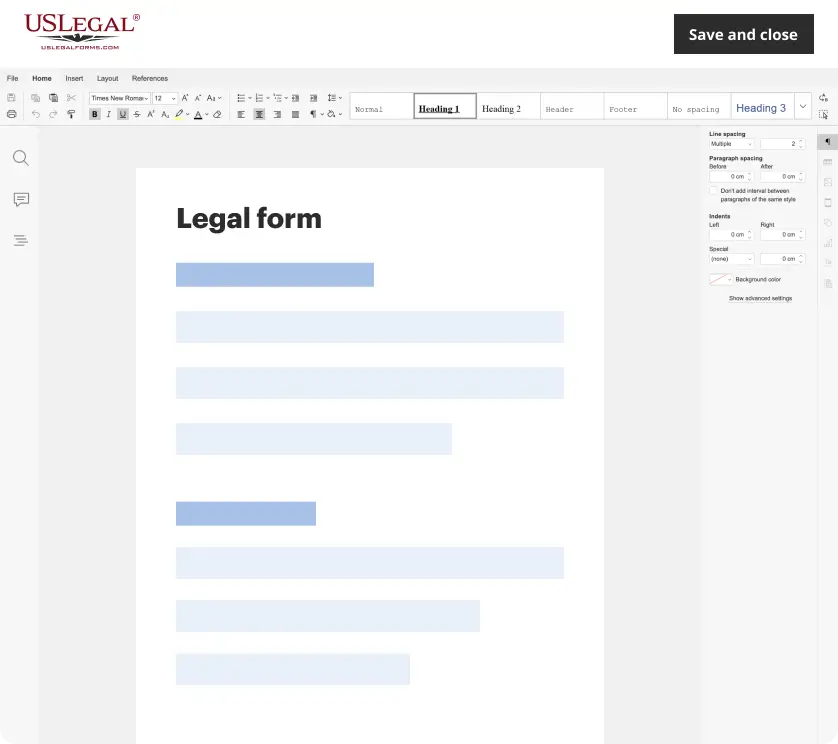
Make edits, fill in missing information, and update formatting in US Legal Forms—just like you would in MS Word.
Download a copy, print it, send it by email, or mail it via USPS—whatever works best for your next step.
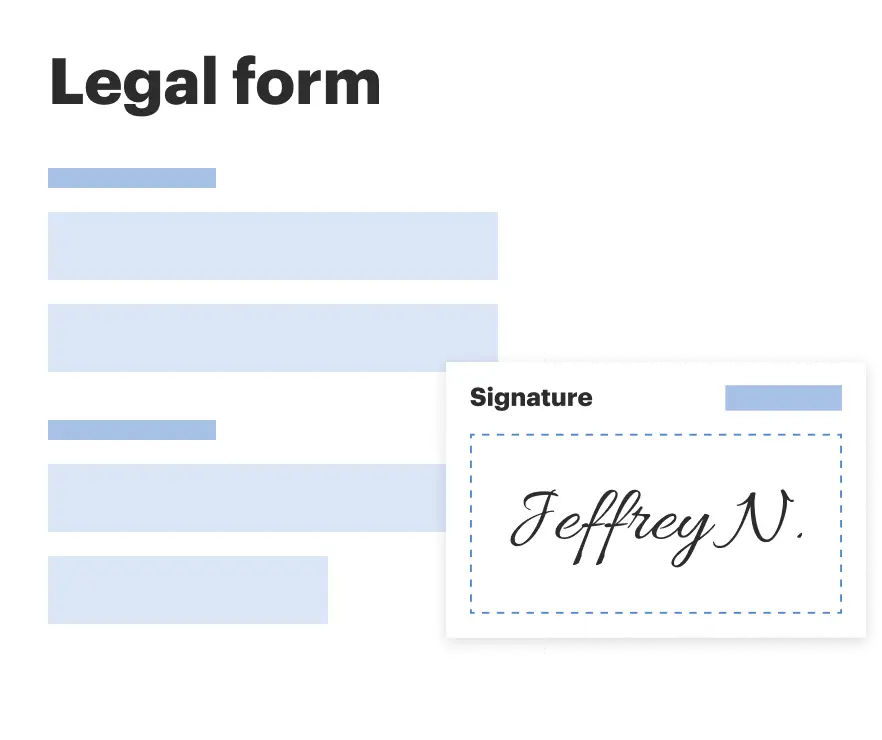
Sign and collect signatures with our SignNow integration. Send to multiple recipients, set reminders, and more. Go Premium to unlock E-Sign.
If this form requires notarization, complete it online through a secure video call—no need to meet a notary in person or wait for an appointment.
We protect your documents and personal data by following strict security and privacy standards.
Looking for another form?
Form popularity
FAQ
Washington is an at-will employment state, which means that the employer or employee may end the employment relationship for any reason or no reason as long as it is not in violation of another law (such as discrimination, retaliation, etc.).
The 7-minute rule lets employers round an employee's time to the nearest quarter-hour. It states that employers may round down the time if an employee works 7 minutes or less beyond a quarter-hour increment.
An EMPLOYER may not: (1) refuse to hire a person, (2) discharge or bar a person from a job, (3) discriminate in compensation or other terms or conditions of employment, (4) print, circulate, or use any discriminatory statement, advertisement, publication, job application form, or make any inquiry in connection with ...
Since the minimum wage is currently $16.66 (January 2025), the exempt salary minimum is $69,305.60 and will increase to $93,340.00 by 2028. Just 5 years ago the threshold was $35,100. For every salaried or hourly employee making less than the threshold and working over 40 hours a week, overtime payment is required.
The most prevalent forms of discrimination in the workplace seen today are race and national origin. Discrimination based on national origin occurs when a business is opened by persons of one nationality who then discriminate in their hiring practices by only hiring other persons of their own nationality.
Washington is an employment-at-will state, which means that without a written employee contract, employees can be terminated for any reason at any time, provided that the reason is not discriminatory and that the employer is not retaliating against the employee for a rightful action.
The law does not require employers to give a worker notice before terminating their job. Employers are not required to give warnings or follow any particular steps before terminating an employee.
RCW Chapter 49.60 is a State law that protects all people in Washington from unfair and discriminatory practices in employment, real estate transactions, public accommodations, credit, insurance, as well as health care whistleblower, and state employee whistleblower complaints.
Ten types of discrimination Age discrimination. Disability. Gender/sexual orientation. Gender identity/gender expression. Genetic information. Military status/military obligations. National origin. Religion.
The following would be considered illegal discrimination if there is evidence that the decision was made based on a protected characteristic: Sexual Harassment. Refusal to Provide Services. Unfair Lending Practices. Misrepresenting the Availability of Housing. Refusal to Allow “Reasonable Modifications” Refusing Rental.