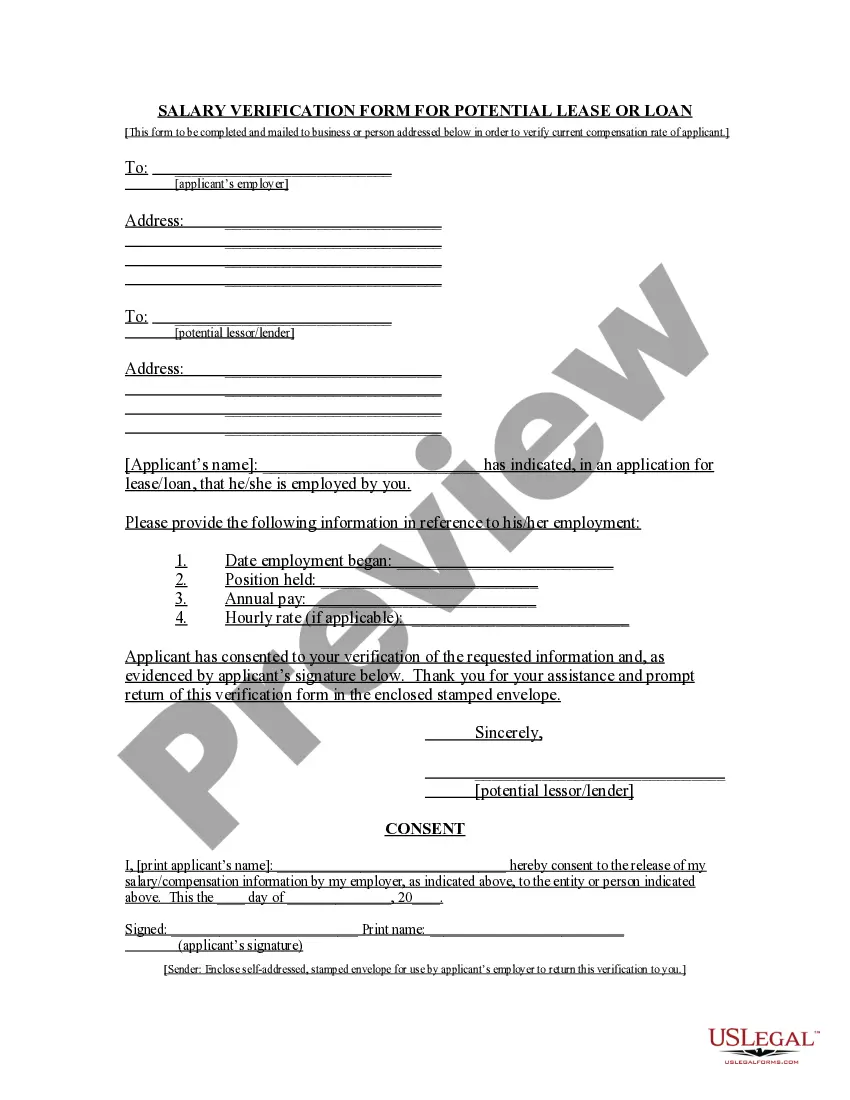
Title Vii In Education In Washington
Description




Get your form ready online
Our built-in tools help you complete, sign, share, and store your documents in one place.
Make edits, fill in missing information, and update formatting in US Legal Forms—just like you would in MS Word.
Download a copy, print it, send it by email, or mail it via USPS—whatever works best for your next step.
Sign and collect signatures with our SignNow integration. Send to multiple recipients, set reminders, and more. Go Premium to unlock E-Sign.
If this form requires notarization, complete it online through a secure video call—no need to meet a notary in person or wait for an appointment.
We protect your documents and personal data by following strict security and privacy standards.
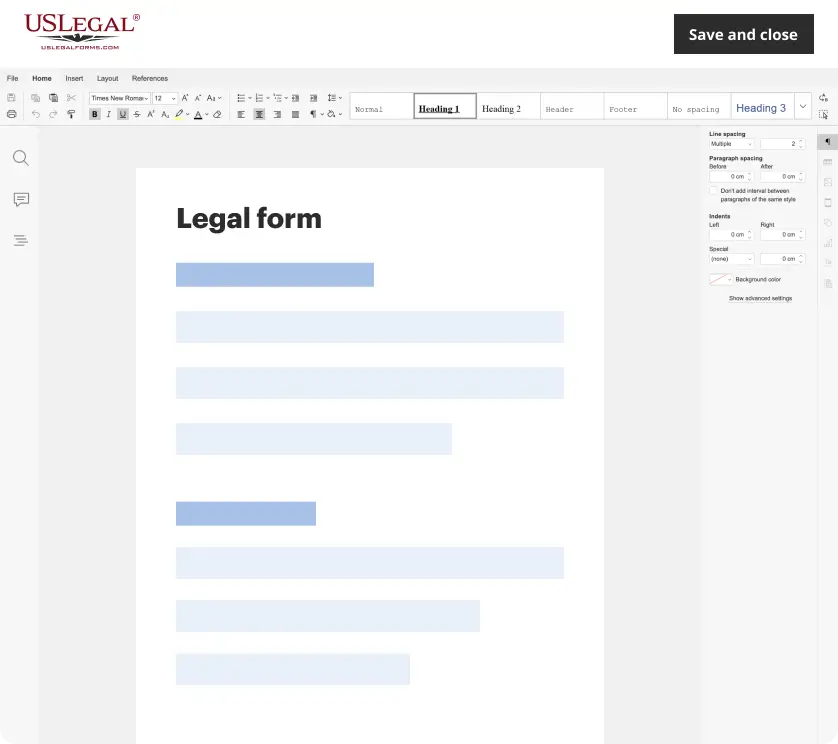
Make edits, fill in missing information, and update formatting in US Legal Forms—just like you would in MS Word.
Download a copy, print it, send it by email, or mail it via USPS—whatever works best for your next step.
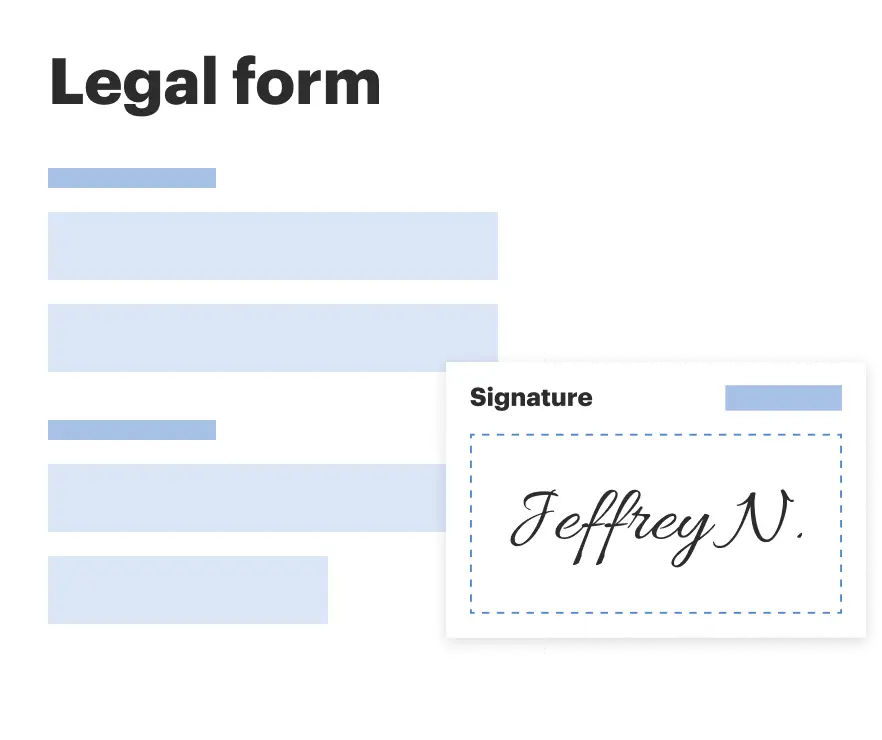
Sign and collect signatures with our SignNow integration. Send to multiple recipients, set reminders, and more. Go Premium to unlock E-Sign.
If this form requires notarization, complete it online through a secure video call—no need to meet a notary in person or wait for an appointment.
We protect your documents and personal data by following strict security and privacy standards.
Looking for another form?

Form popularity
FAQ
Title VII applies to all school districts, private schools and charter schools. You have the right to file charges against your employer, administrators or co-workers if discriminatory practices outlined in Title VII of the Civil Rights Act of 1964 are not followed.
Online: You may file a complaint with OCR using OCR's electronic complaint form at the following website: . Mail or Facsimile: You may mail or send by facsimile information to the address or phone number available at this link.
Does Title VII apply to all employers? Title VII applies to private-sector employers with 15 or more employees, to state and local government employers with 15 or more employees, and to the federal government as an employer. Title VII also applies to unions and employment agencies.
In fact, the title defines an employee as simply "an individual employed by an employer." Therefore, assuming they work — or are applying to work — for a covered employer as outlined above, Title VII provides discrimination protection for all employees, former employees, and those applying to be employees.
Age. Age discrimination involves treating someone (an applicant or employee) less favorably because of age. Disability. Genetic Information. Unlawful Workplace Harassment (Harassment) ... National Origin. Pregnancy. Race/Color. Religion.
If you've experienced unlawful discrimination, you can complain to the person or organisation who's discriminated against you. You can also make a discrimination claim in the civil courts. Read this page to find out what you should do before you take action about unlawful discrimination.
Title VII prohibits discrimination in the workplace on the basis of membership in a protected class. The protected classes are race, color, national origin, gender, pregnancy, and religion.