Conveyance Cemetery Without A Permit In Chicago
Description

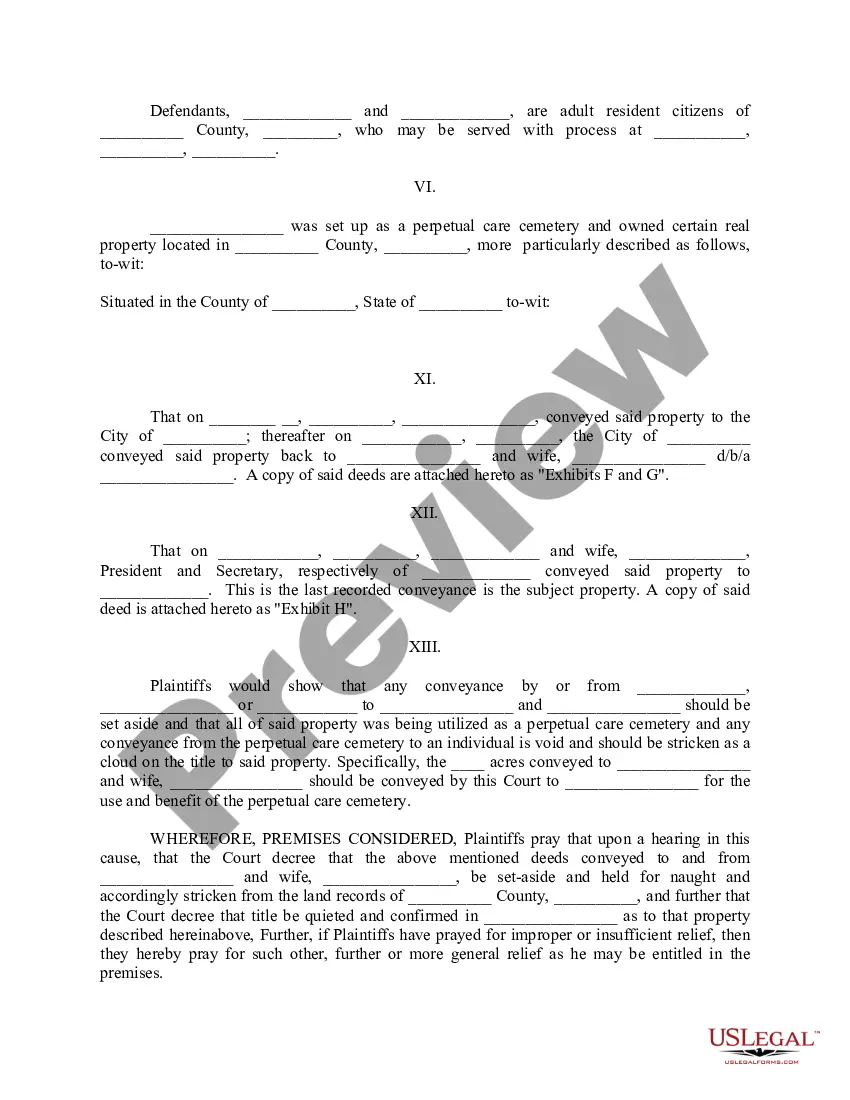

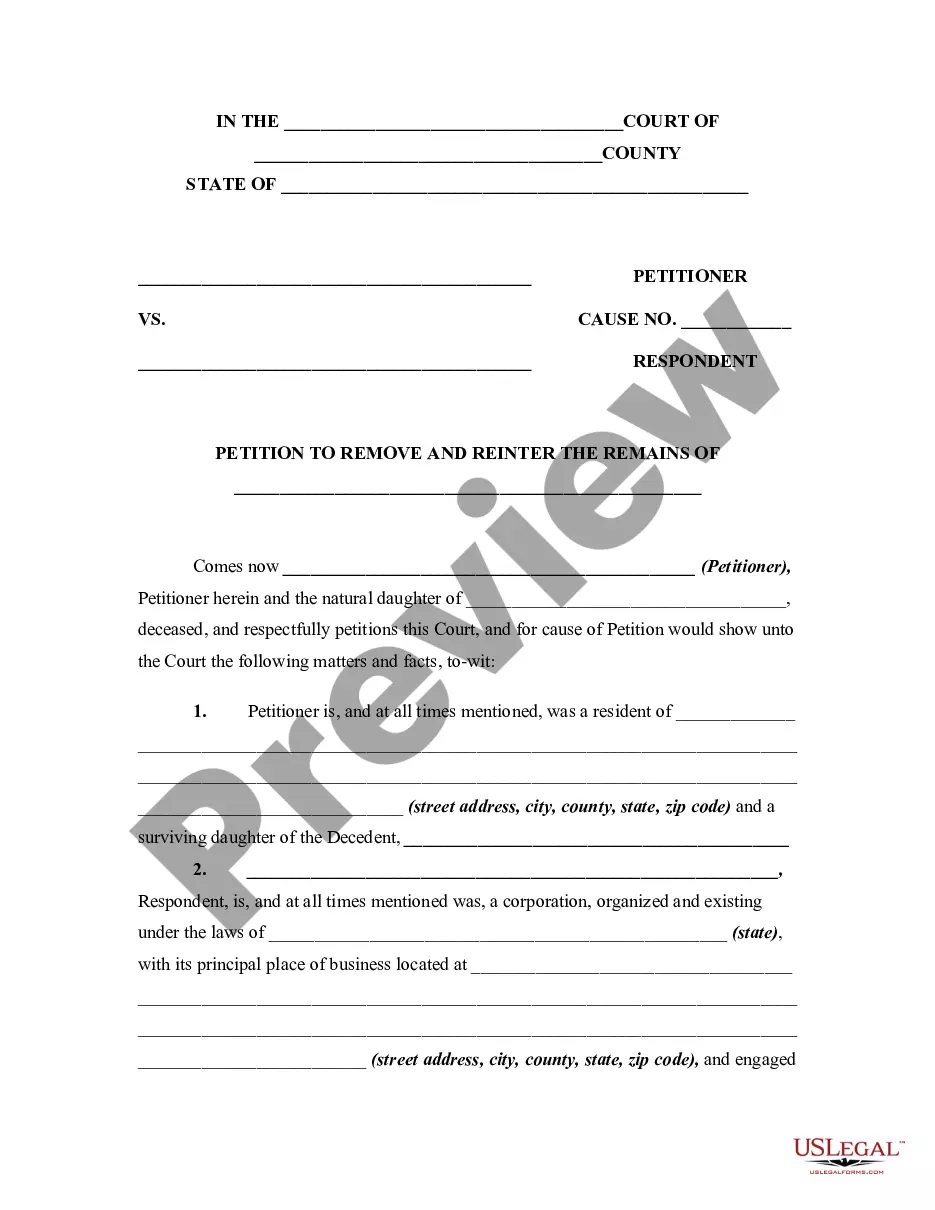
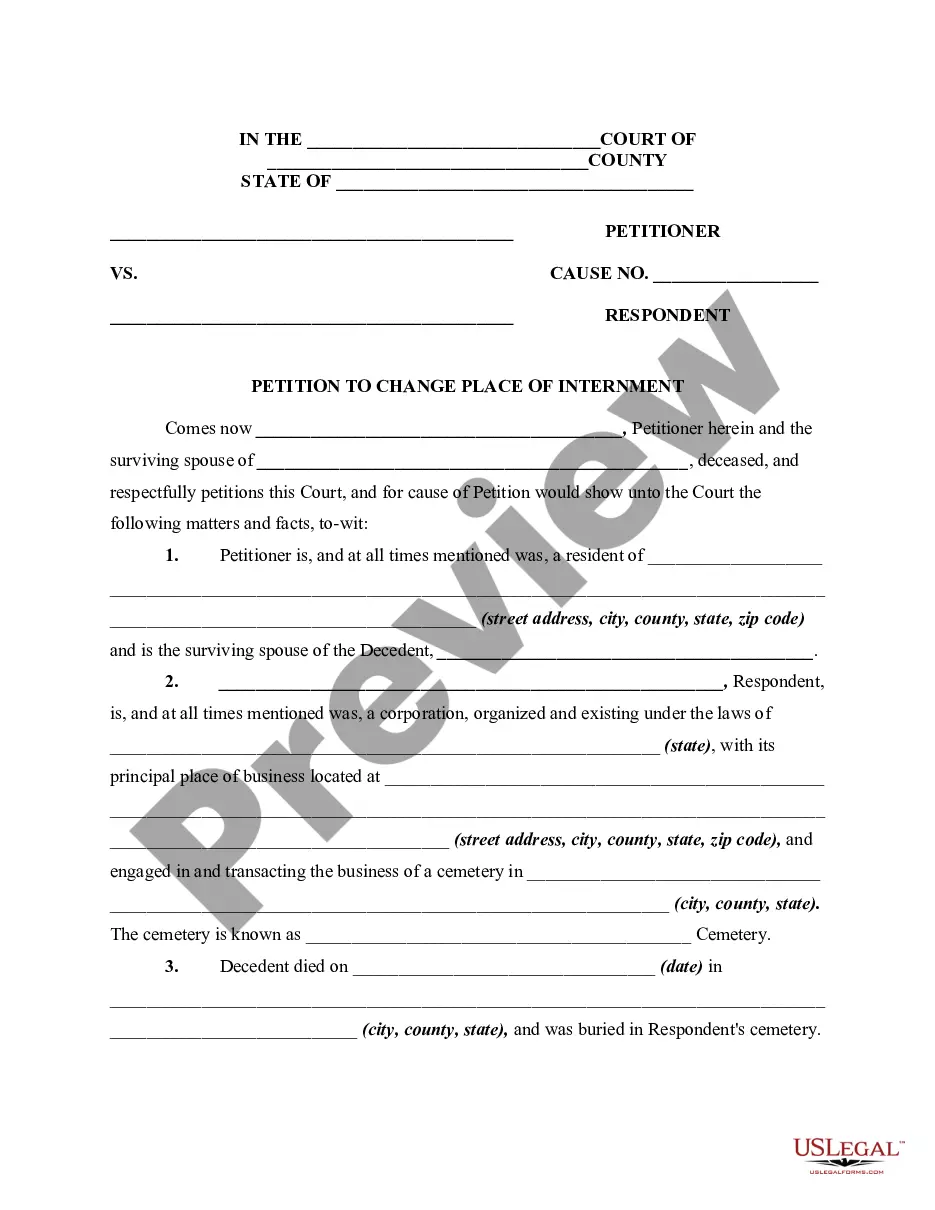
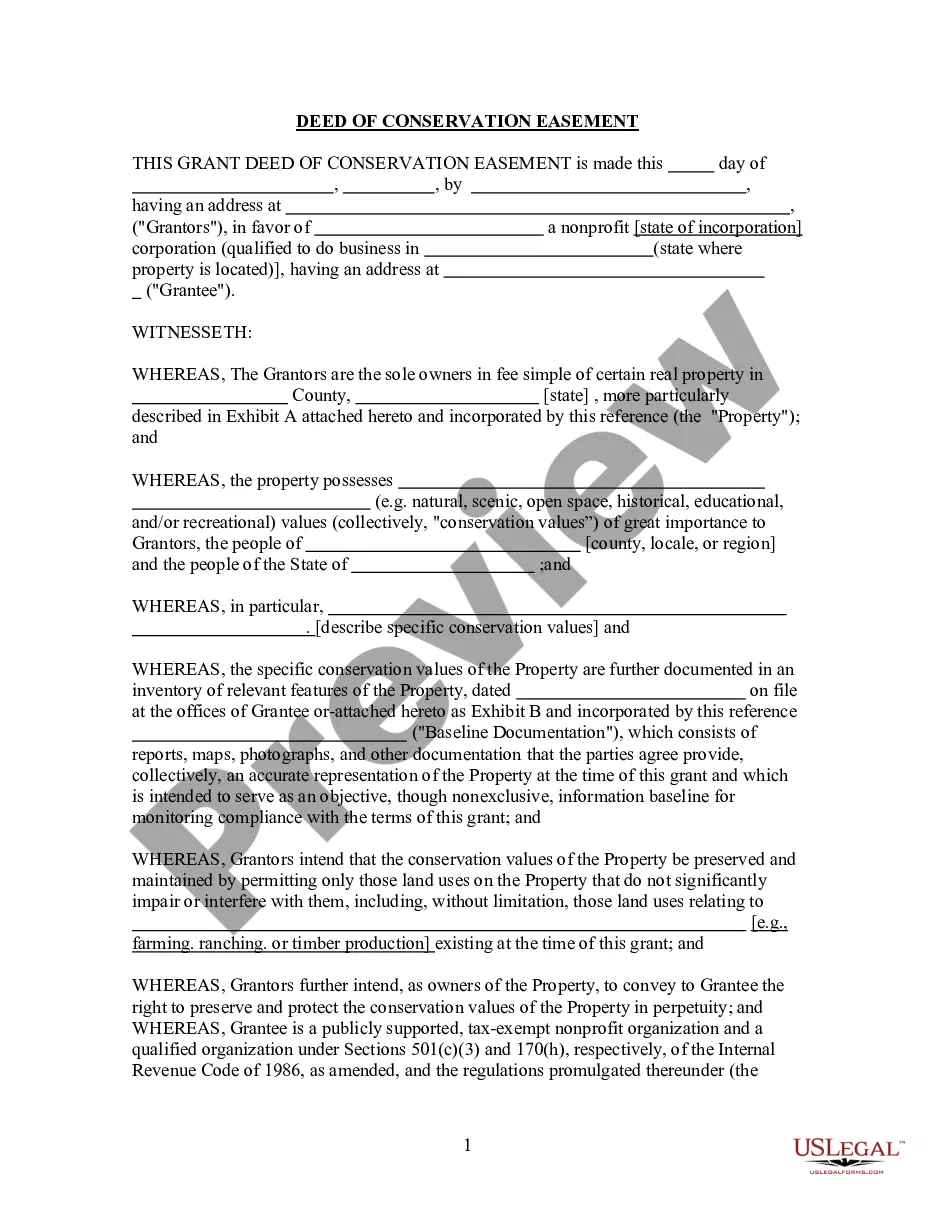
Get your form ready online
Our built-in tools help you complete, sign, share, and store your documents in one place.
Make edits, fill in missing information, and update formatting in US Legal Forms—just like you would in MS Word.
Download a copy, print it, send it by email, or mail it via USPS—whatever works best for your next step.
Sign and collect signatures with our SignNow integration. Send to multiple recipients, set reminders, and more. Go Premium to unlock E-Sign.
If this form requires notarization, complete it online through a secure video call—no need to meet a notary in person or wait for an appointment.
We protect your documents and personal data by following strict security and privacy standards.

Make edits, fill in missing information, and update formatting in US Legal Forms—just like you would in MS Word.

Download a copy, print it, send it by email, or mail it via USPS—whatever works best for your next step.

Sign and collect signatures with our SignNow integration. Send to multiple recipients, set reminders, and more. Go Premium to unlock E-Sign.

If this form requires notarization, complete it online through a secure video call—no need to meet a notary in person or wait for an appointment.

We protect your documents and personal data by following strict security and privacy standards.
Looking for another form?
Form popularity
FAQ
In the city of Chicago, permits are required for most tuckpointing work, and the work must be performed by a licensed masonry contractor.
It can take anywhere from five business days to several weeks to obtain a construction permit in Chicago. Ultimately, time to approval depends on the type of permit you applied for. When using Chicago's self-certification process, you could receive your permit within 10 business days.
Yes, you can drywall an unheated garage, but there are several important considerations to keep in mind: Material Choice: Use moisture-resistant drywall (often called green board) or cement board, especially if the garage is prone to dampness or if you live in a humid climate.
Permits Are Not Required When You Are: Painting and decorating. Wallpapering. Carpeting and floor finishing. Repairing plumbing faucet washers and cleaning traps.
Why a Permit is Often Needed to Tuckpoint a Historic Brick Home. Since historic brickwork is not a veneer, problems with the mortar could indicate structural problems, so permits are often necessary. However, differentiating between structural and cosmetic concerns can be challenging for homeowners.
A permit is required before beginning most construction, demolition, and repair work. In order to provide more responsive service, the Department of Buildings offers permitting processes tailored for a wide variety of projects, from home repairs to new skyscrapers.
A permit is mandatory for all tuckpointing projects in Chicago to comply with local building and safety codes. The Express Permit Program offers a streamlined process for obtaining tuckpointing permits quickly. Unpermitted tuckpointing work can result in fines and project delays.
What Types of Work Do Not Require a Building Permit? Board-Up and Clean-Up Work. A building permit is not required for the following types of work. Communication Equipment. Conveyance Device Repair. Electrical Work. Emergency Repair or Stabilization Work. Exploratory Demolition. Exterior Walls, Windows, and Doors. Fences.
Permits. The Chicago Department of Buildings (CDB) determines which permit your project will require. You'll need a permit for a bathroom remodeling project if you're making significant changes to the plumbing, electrical systems, or structural components of the bathroom.