Physical Abuse For Elderly In Pennsylvania
Description

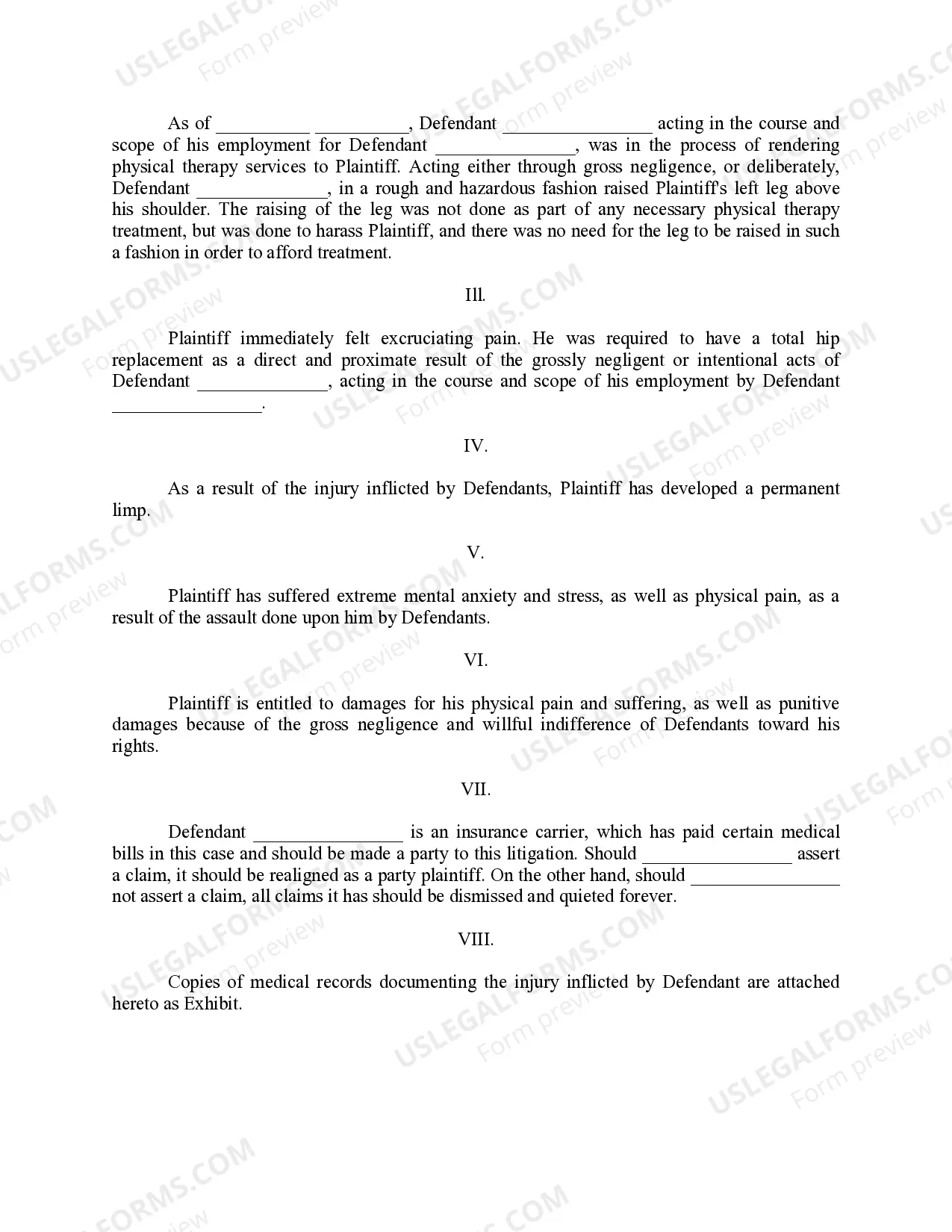
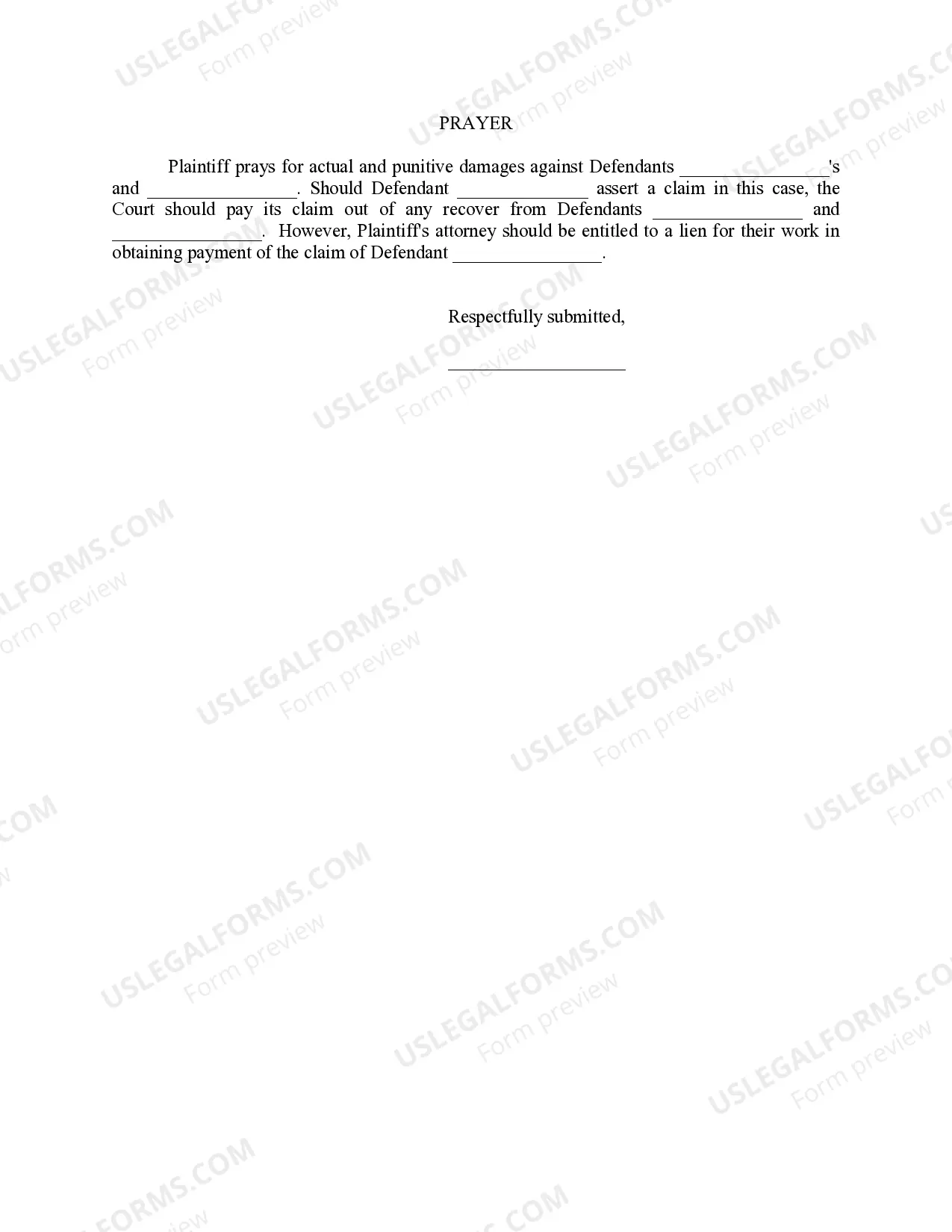

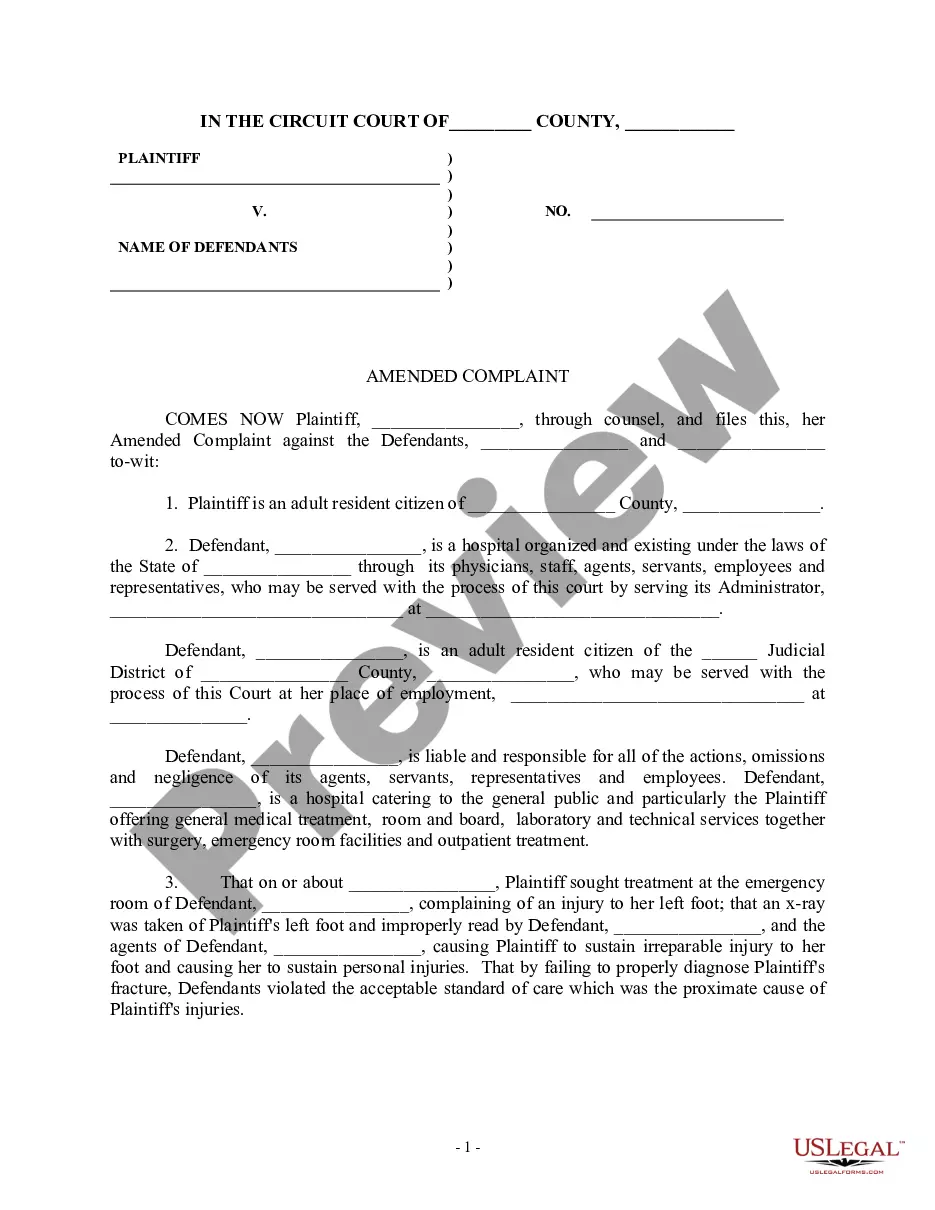
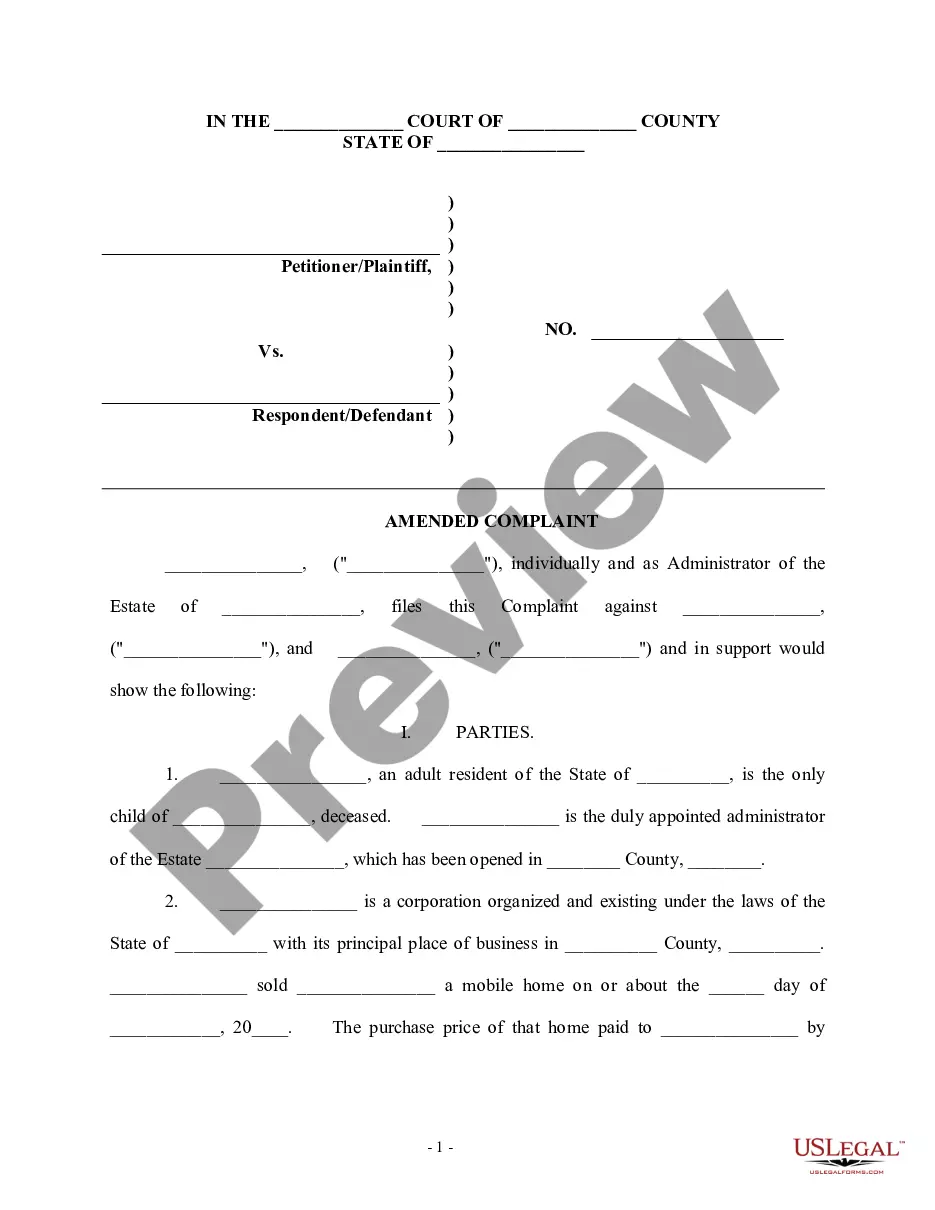
Get your form ready online
Our built-in tools help you complete, sign, share, and store your documents in one place.
Make edits, fill in missing information, and update formatting in US Legal Forms—just like you would in MS Word.
Download a copy, print it, send it by email, or mail it via USPS—whatever works best for your next step.
Sign and collect signatures with our SignNow integration. Send to multiple recipients, set reminders, and more. Go Premium to unlock E-Sign.
If this form requires notarization, complete it online through a secure video call—no need to meet a notary in person or wait for an appointment.
We protect your documents and personal data by following strict security and privacy standards.
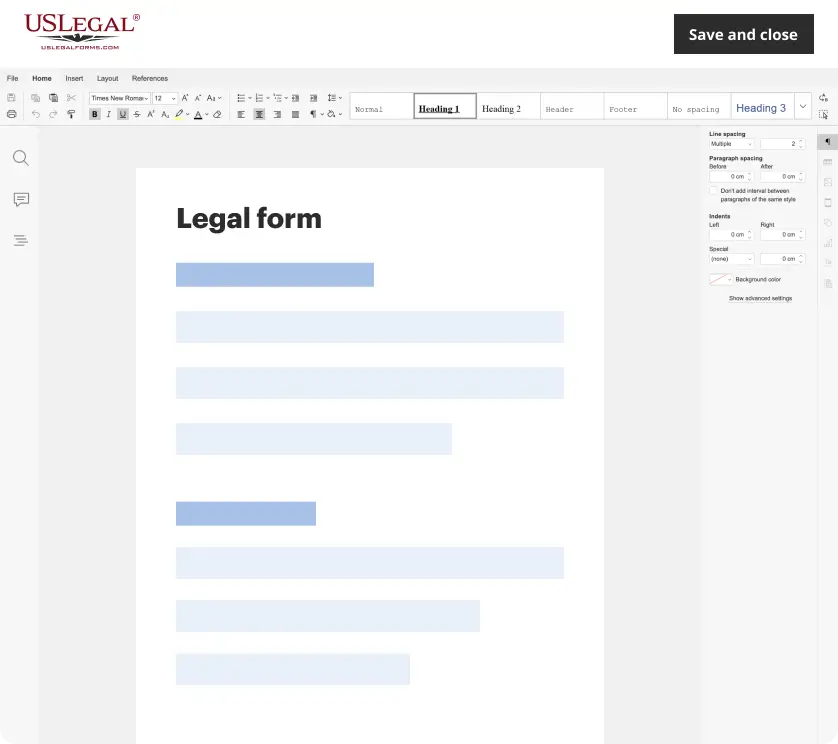
Make edits, fill in missing information, and update formatting in US Legal Forms—just like you would in MS Word.
Download a copy, print it, send it by email, or mail it via USPS—whatever works best for your next step.
Sign and collect signatures with our SignNow integration. Send to multiple recipients, set reminders, and more. Go Premium to unlock E-Sign.
If this form requires notarization, complete it online through a secure video call—no need to meet a notary in person or wait for an appointment.
We protect your documents and personal data by following strict security and privacy standards.
Looking for another form?

Form popularity
FAQ
California Adult Protective Service Agency: call (833) 401-0832 or visit the APS website for a list of county APS contacts. Attorney General's Elder and Dependent Adult Abuse Hotline: (888) 436-3600. Long-Term Care Ombudsman/CRISISline: (800) 231-4024.
If you become concerned, go over and knock on the door. Listen and offer your support. Get help from Adult Protective Services if you are concerned an adult may be self-neglecting. Call 911 if the person needs immediate medical attention or is in danger of immediate harm.
To help your parent, consider taking these 10 steps. Talk to your parents about your concerns. Find out your parents' wishes. Assess your parents' needs. Evaluate your caregiving capabilities. Decide if you need professional help. Explore elderly care options. Choose an elderly care provider.
If you become concerned, go over and knock on the door. Listen and offer your support. Get help from Adult Protective Services if you are concerned an adult may be self-neglecting. Call 911 if the person needs immediate medical attention or is in danger of immediate harm.
Learn 5 Ways to Help Prevent Elder Abuse Learn the signs. Be on the lookout for physical and emotional abuse, as well as signs of financial abuse, neglect, or abandonment. Prevent isolation. Call or visit your loved ones and check on them regularly. Provide information. Be a friend. Spread the message.
Signs of decline in overall health include weight loss, changes in appetite, problems swallowing, fatigue, burns, black and blue marks (possible signs of falling), hearing loss (look for signs of lip reading and talking loudly), withdrawn without reason, complaints of muscle weakness, insomnia, excessive sleeping or ...
Aging Parents Refusing Help: How to Respond Evaluate Your Parent's Situation. Before anything, take a look at your parent's living conditions, activities, and mental health. Focus On The Positives. Make It About You. Enlist Experts (If You Have To) ... Give Options. Start Small.
In 2010, the Adult Protective Services (APS) Law (Act 70 of 2010) was enacted to protect adults between the ages of 18 and 59 with a physical or mental disability that limits one or more major life activities.
ACT 73 – FEDERAL BUREAU OF INVESTIGATION (FBI) CRIMINAL HISTORY. RECORD CLEARANCE INFORMATION. In order to comply with Pennsylvania legislation (ACT 153), your position requires that you secure a new Act 73 Federal Bureau of Investigation (FBI) Criminal History Record Clearance every 60 months.
In California, elder abuse charges can lead to the following: A fine of $2,500 or to six-digit values. Imprisonment in county jail (for misdemeanors) Incarceration in state prison (for felonies)
