2nd Amendment Rights For Felons In Philadelphia
Description


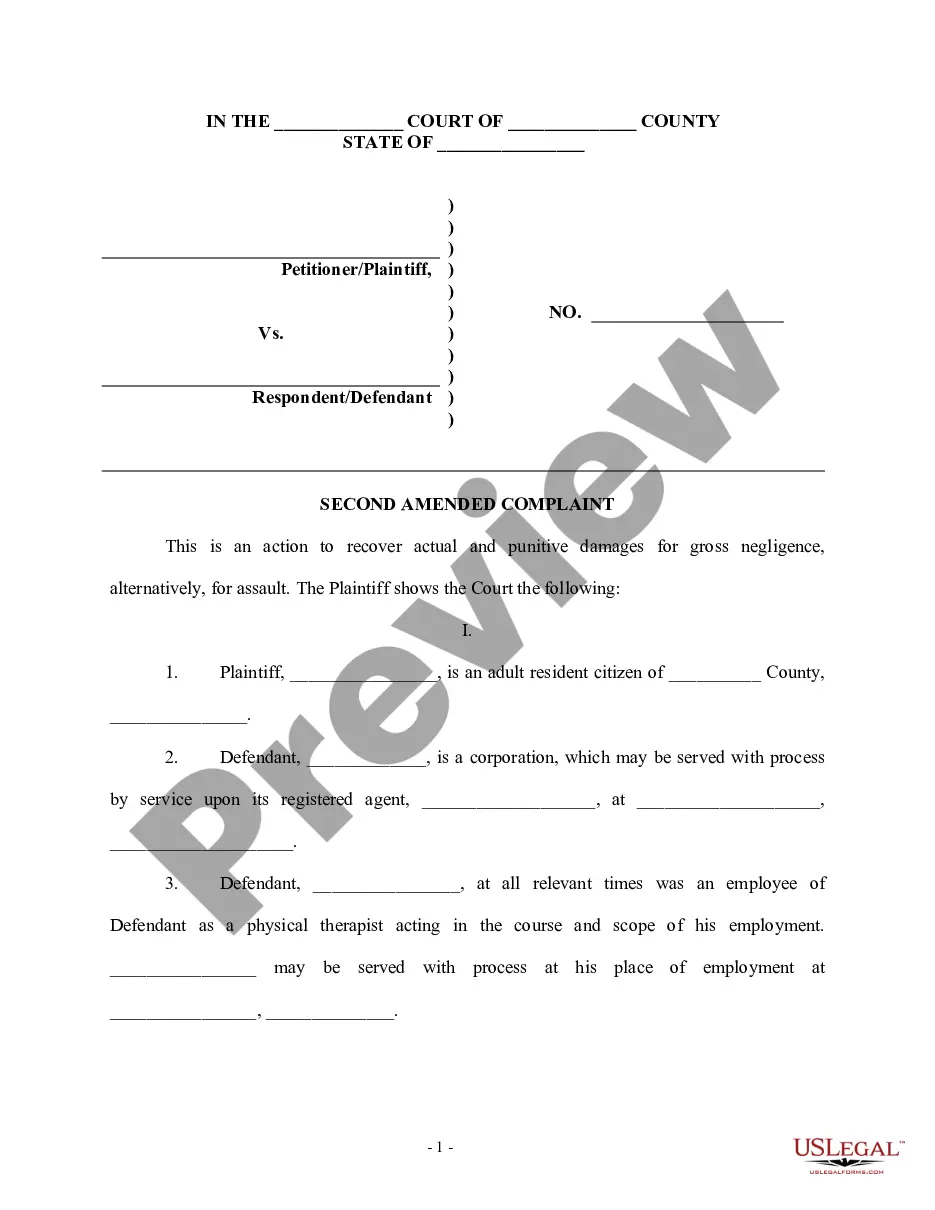
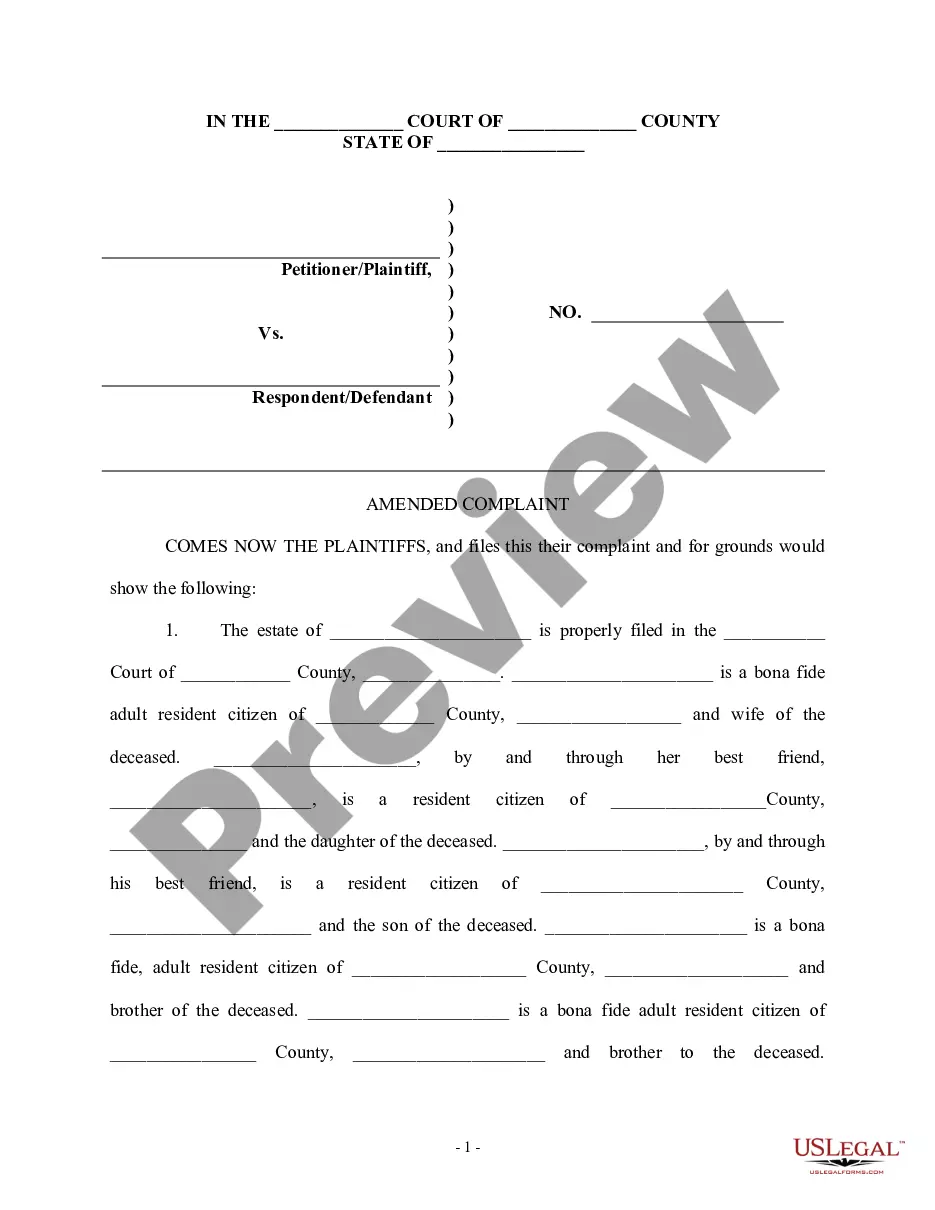
Get your form ready online
Our built-in tools help you complete, sign, share, and store your documents in one place.
Make edits, fill in missing information, and update formatting in US Legal Forms—just like you would in MS Word.
Download a copy, print it, send it by email, or mail it via USPS—whatever works best for your next step.
Sign and collect signatures with our SignNow integration. Send to multiple recipients, set reminders, and more. Go Premium to unlock E-Sign.
If this form requires notarization, complete it online through a secure video call—no need to meet a notary in person or wait for an appointment.
We protect your documents and personal data by following strict security and privacy standards.

Make edits, fill in missing information, and update formatting in US Legal Forms—just like you would in MS Word.

Download a copy, print it, send it by email, or mail it via USPS—whatever works best for your next step.

Sign and collect signatures with our SignNow integration. Send to multiple recipients, set reminders, and more. Go Premium to unlock E-Sign.

If this form requires notarization, complete it online through a secure video call—no need to meet a notary in person or wait for an appointment.

We protect your documents and personal data by following strict security and privacy standards.
Looking for another form?
Form popularity
FAQ
The Second Amendment Permits The Disarming of “Dangerous” Felons. Each year, more than 8,000 people are convicted for unlawful possession of a firearm under 18 U.S.C. § 922(g). About 90% of those cases arose from gun possession by a felon.
The 1968 Gun Control Act and subsequent amendments codified at 18 U.S.C. § 921 et seq. prohibit anyone convicted of a felony and anyone subject to a domestic violence protective order from possessing a firearm.
Under Pennsylvania law, an individual convicted of a disqualifying offense “may make application to the court of common pleas of the county where the principal residence of the applicant is situated for relief from the disability.” But the court is only empowered to restore gun rights when (1) the conviction has been ...
For those with more than one conviction, the court may restore firearms rights two years after completion of sentence for most felonies, or after 10 years for a serious felony (such as murder or sexual assault). For a person convicted of a “dangerous felony” firearms rights may only be restored by pardon.
A Certificate of Relief from Civil Disabilities is a Certificate issued by a Court or the New York State Department of Corrections and Community Supervision which restores a person's civil right following a conviction. It can also be used to restore a person's firearms rights.
The Second Amendment does not protect any right, it prohibits government from infringing on a right. The idea is that a felon has lost his rights, thus government is not infringing on any right by denying felons lawful ownership of guns.
You only have the right to bear arms until a misdemeanor or felony conviction disqualifies you. The governor will grant you a pardon after their board determines that your case is eligible for it. With a pardon, you can file for expungement.
Loss of Voting Rights During Incarceration or On Parole Individuals currently serving a state or federal prison sentence for a felony conviction and those on parole are ineligible to register and vote in California.