International Sales Contract Sample For Real Estate In Los Angeles
Description






Form popularity
FAQ
In an international business contract, it's essential to define the jurisdiction that will govern the contract and the laws that will apply in the event of a dispute. Your dispute resolution section should also detail the agreed-upon dispute resolution mechanism.
Top ten tips in drafting and negotiating an international contract Avoiding retaliation claims. The language of the contract. Clear contract prose. Common law versus civil law. Jurisdictional issues. Terms of art. Personnel. In negotiations, expect the unexpected.
Contents Identifying the Parties Involved. Identify all relevant governments, organizations, and businesses involved in the agreement. Determine the roles and responsibilities of all parties involved. Establishing Objectives. Establish the overall goal of the agreement. Identify the objectives of each party involved.
International agreements are formal understandings or commitments between two or more countries. An agreement between two countries is called “bilateral,” while an agreement between several countries is “multilateral.” The countries bound by an international agreement are generally referred to as “States Parties.”
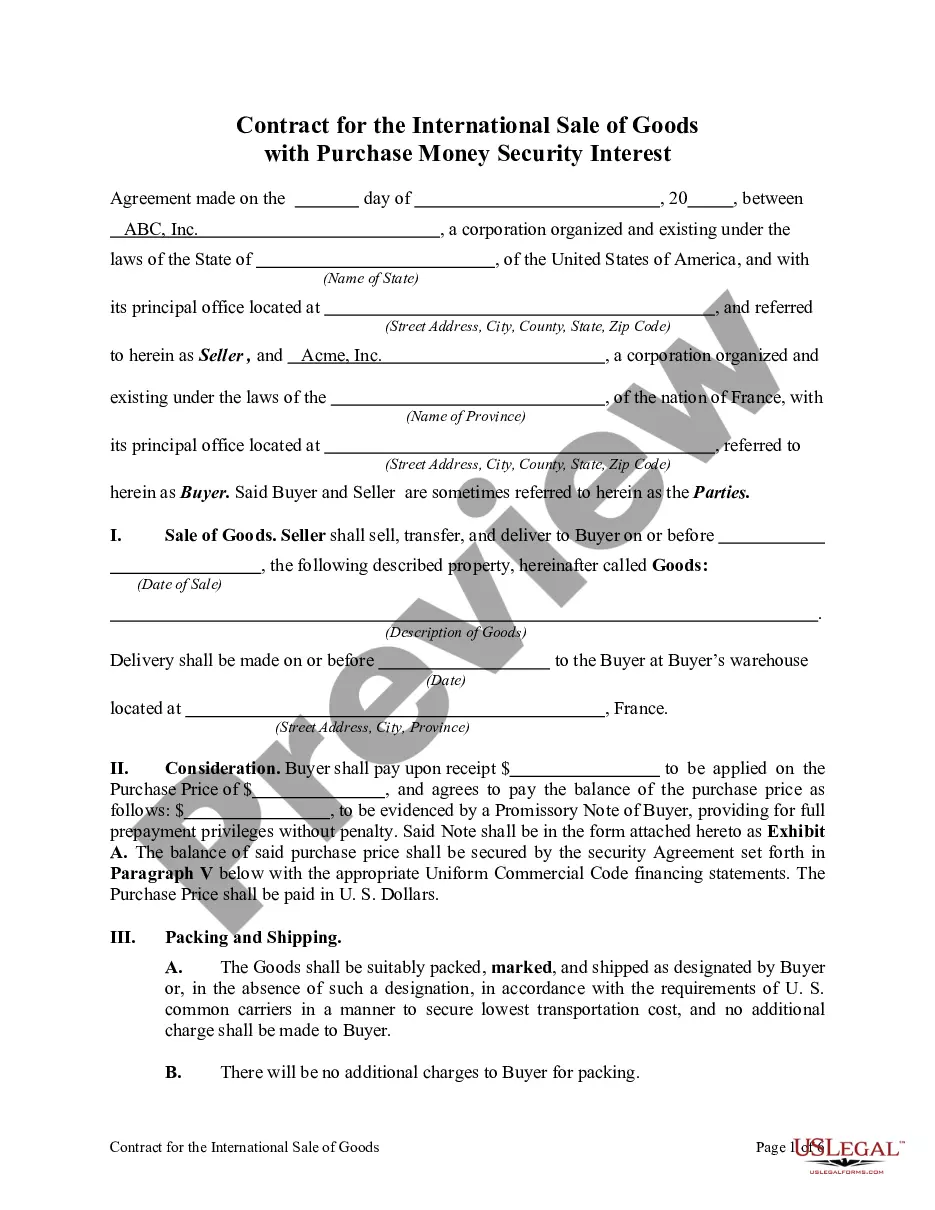
International sale contracts refer to contracts for the sale of goods involving sea transit and various forms of contractual documents common in the import and export trades.
REQUIREMENTS FOR A CONTRACT A valid contract is a legally binding agreement and is enforceable in court by and against the contracting parties. In order for a contract to be valid, there must be an offer, an acceptance of the offer, an exchange between the parties of something of value, and an agreement to the terms.
Writing your own contracts is perfectly possible, and legal. But it's also an incredibly bad idea. There's two reasons for this: Property law is complicated. Because it's such a fundamental part of legislation, it's often lots and lots of different laws layered on top of each other.
To be enforceable, a land sale contract must satisfy the Statute of Frauds, which generally requires that these contracts be in writing and signed by the parties. Note that this writing is apart from the instrument under which the actual transfer takes place, which is known as the “deed.”
If the buyer defaults on the rent or the land contract's terms, then the buyer forfeits that deposit to the seller and the land contract is void.
For a real estate contract to be valid in California, it must meet several key requirements: Offer and Acceptance: One party must make an offer, and the other must accept it. This mutual agreement is fundamental for the contract to be enforceable. Legality: The contract's purpose must be legal.
