Injunctive Relief Agreement With Attorney In Florida
Description





Form popularity
FAQ
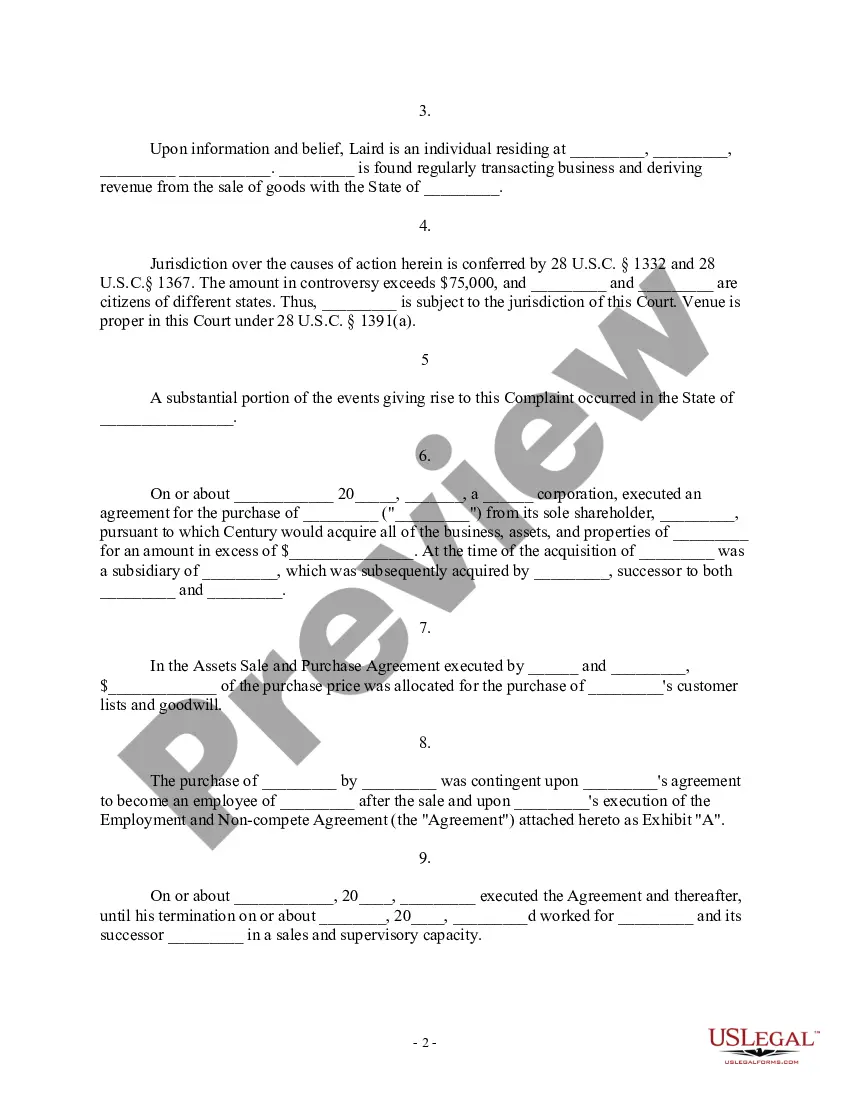
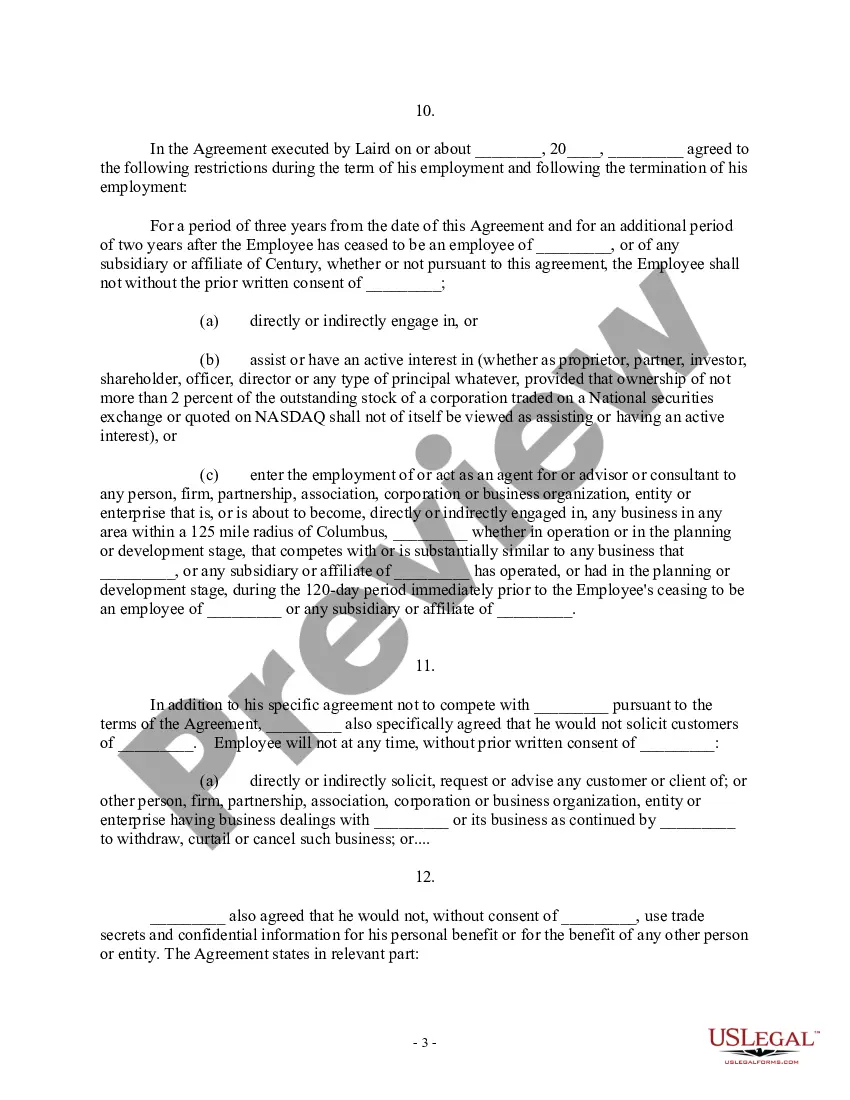
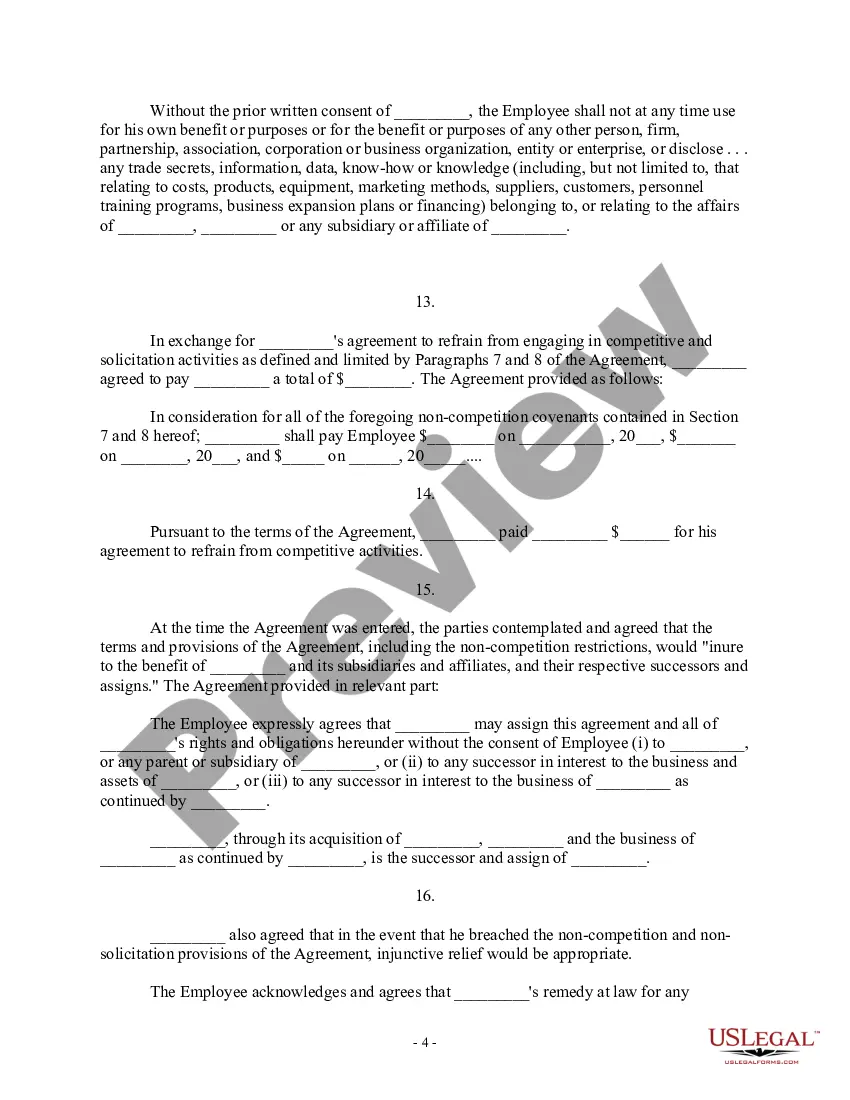
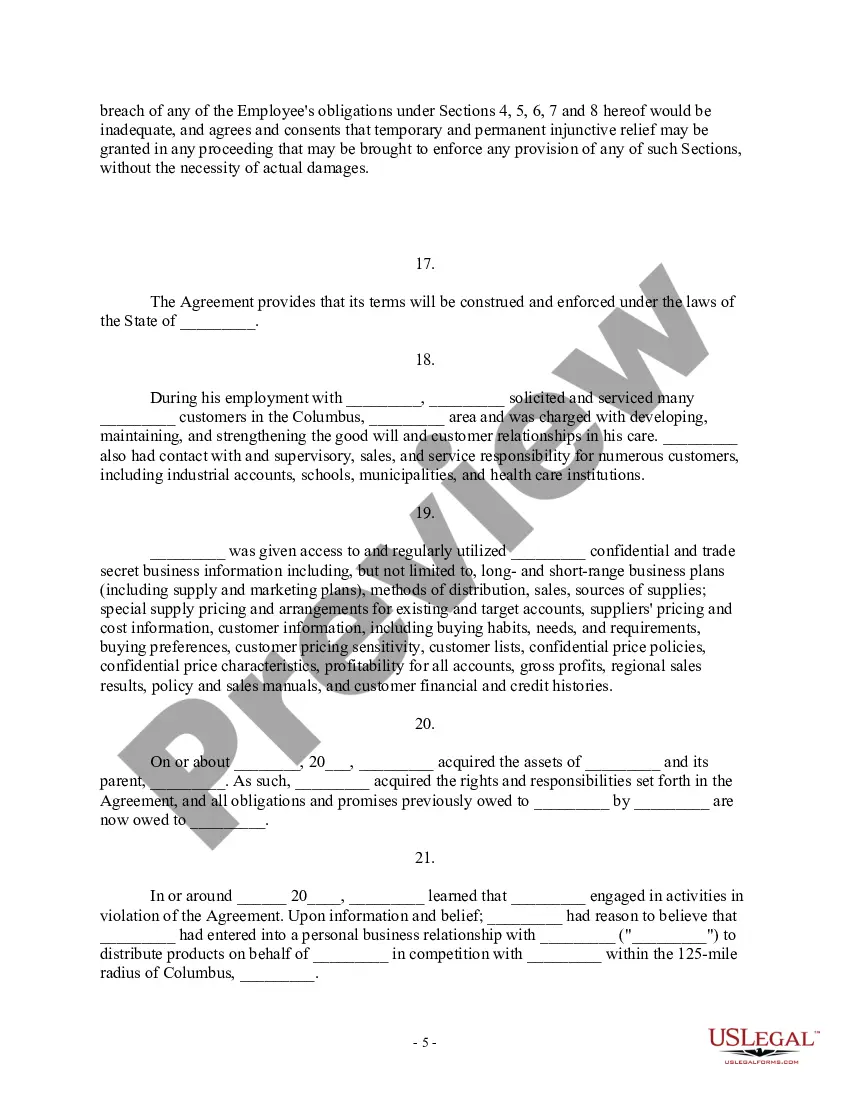
If ever there was a super legal-sounding term for a fairly common occurrence, it would be injunctive relief. It essentially means to get someone to stop doing something. In other words, you want to enjoin (stop) the other party from doing something.
State judges can apparently be sued for injunctive relief, albeit in limited circumstances. Plaintiffs should apparently first seek, and federal courts should first award, declaratory relief before reaching for the more drastic remedy of an injunctive decree.
In many cases, a contract will include an injunctive relief clause stating that one or both parties are entitled to relief to prevent them from suffering harm due to a breach of contract.
Contempt of Court and Enforcement If a party fails to comply with the order, the court can hold the party in contempt of court. Contempt of court can result in fines, imprisonment, or both. The injured party can also seek enforcement of the injunctive order through the legal system.
Standard of Proof In Florida, a petitioner for an injunction must establish by “preponderance of the evidence” (i.e. greater weight of the evidence) that he or she is either a victim of domestic violence or is in imminent danger of being a victim of domestic violence.
To warrant preliminary injunctive relief, the moving party must show (1) a substantial likelihood of success on the merits, (2) that it would suffer irrepa- rable injury if the injunction were not granted, (3) that an injunction would not substantially injure other interested parties, and (4) that the public interest ...
A party seeking an injunction under general Florida case law must demonstrate: 1) irreparable harm; 2) a clear legal right; 3) an inadequate remedy at law; 4) consideration of the public interest.
Injunctive relief, also known as an injunction, is a remedy which restrains a party from doing certain acts or requires a party to act in a certain way. It is generally only available when there is no other remedy at law and irreparable harm will result if the relief is not granted.
Natural Resources Defense Council, Inc., 555 U.S. 7 (2008), is applicable to all other litigants seeking preliminary injunctions, and requires that a party seeking a preliminary injunction must establish: (1) it is likely to succeed on the merits, (2) it is likely to suffer irreparable harm in the absence of ...
