Injunctive Relief Agreement With Mexico In Houston
Description





Form popularity
FAQ
The first step to seek injunctive relief is to file your lawsuit in the appropriate county. It must be the county in which the majority of the issues have taken place or otherwise in the county where the defendant resided or worked. Select your court with due care.
“Injunctive relief is a remedy, not a cause of action. Citations. A cause of action must exist before a court may grant a request for injunctive relief.” (Allen v.
004 - Injunctive Relief (a) A court in which a suit is brought under this chapter, on the motion of a party, may issue a temporary restraining order or a temporary or permanent injunction to restrain and prevent the disclosure or promotion of intimate visual material with respect to the person depicted in the material.
The party asking for an injunctive relief must prove three things: 1) that there is a cause of action against the defendant; 2) that the party seeking the injunction has a right to the property in question; and 3) that the objects in question are in danger of “probable, imminent, and irreparable injury.” In the Strube ...
To win a TRO or a Temporary Injunction, the plaintiff must show the following: That the plaintiff is entitled to some form of permanent relief. That the plaintiff is likely to win the lawsuit. That the harm the plaintiff is complaining about is imminent. That if the harm comes about the plaintiff would be irreparable.
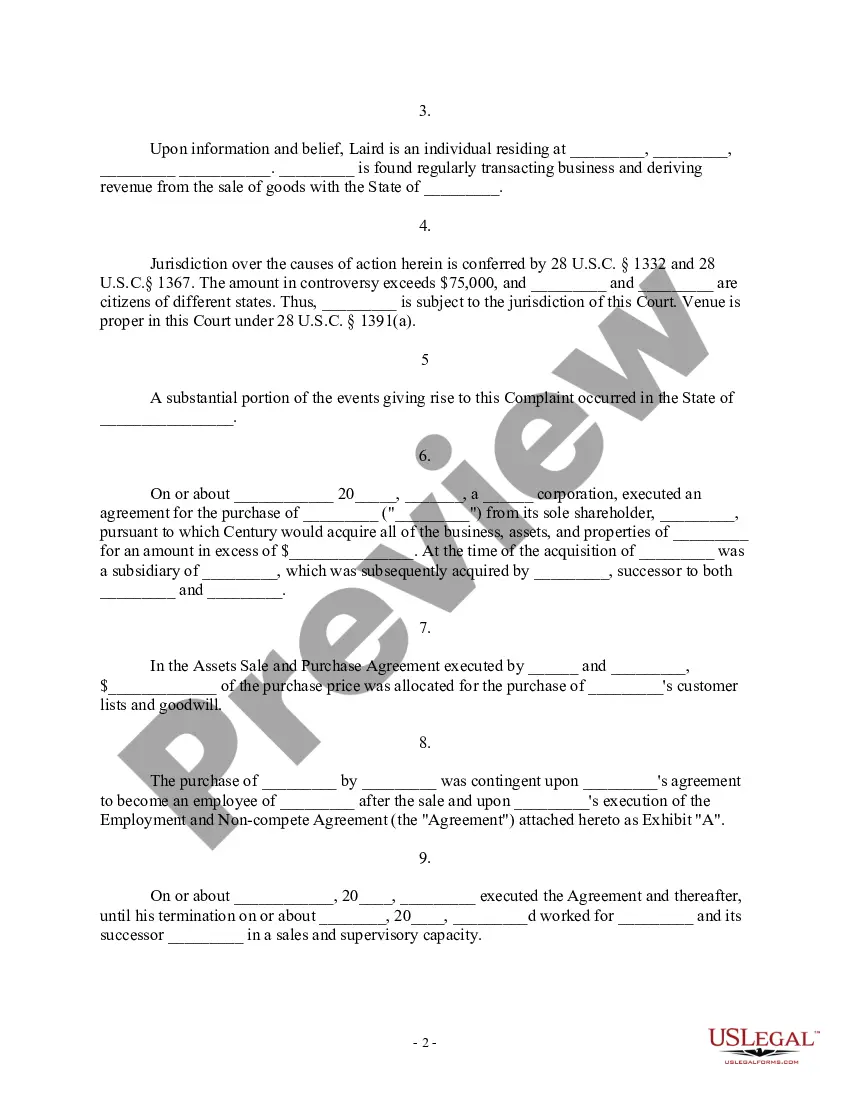
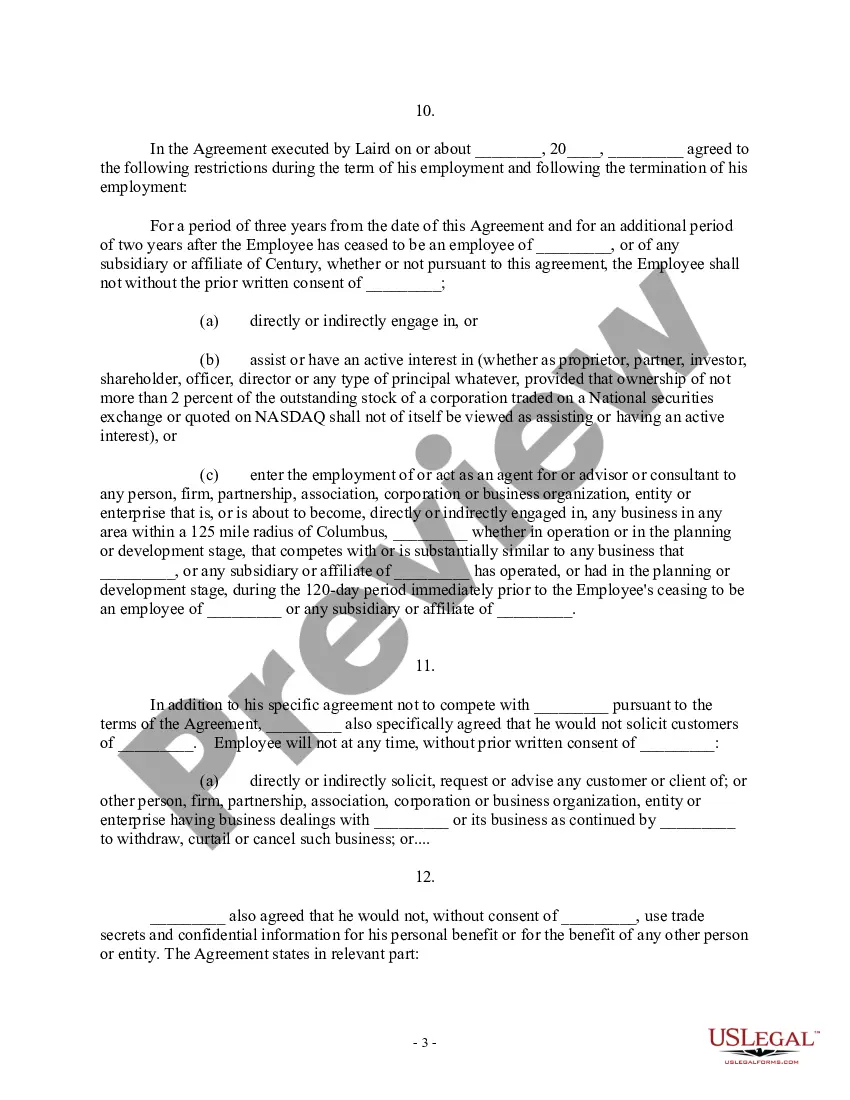
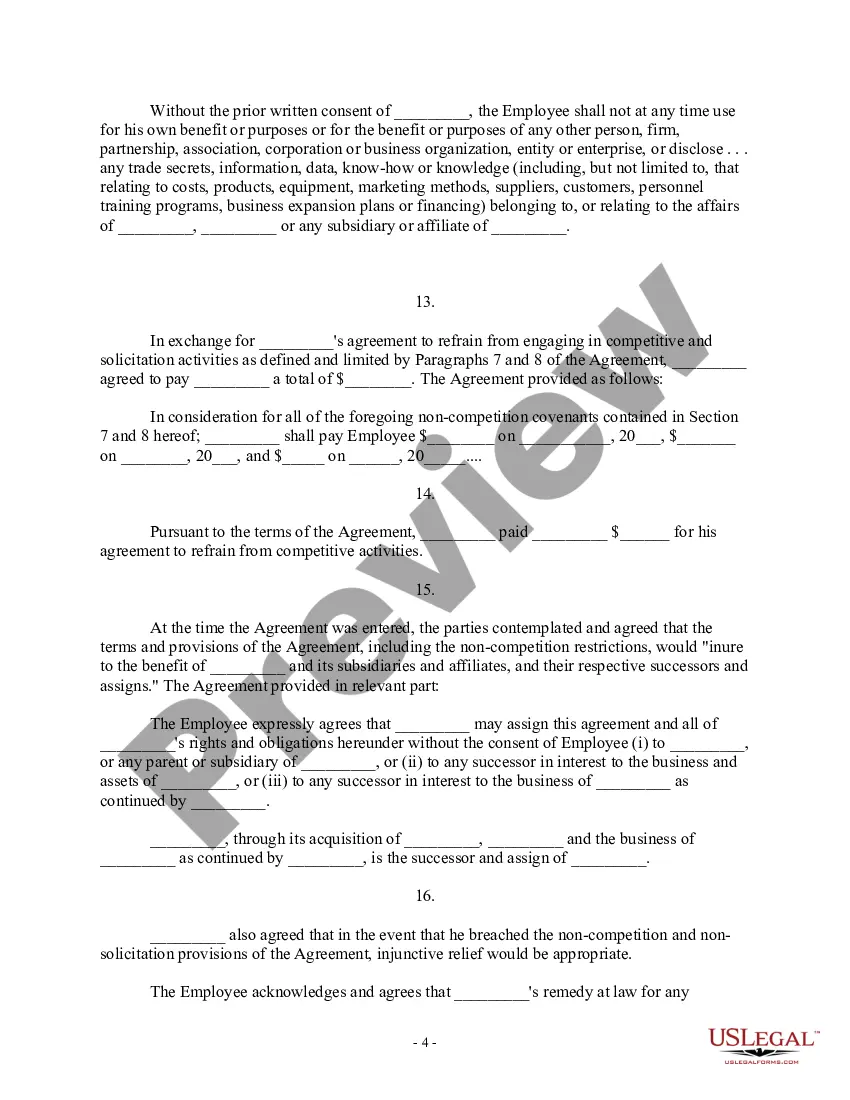
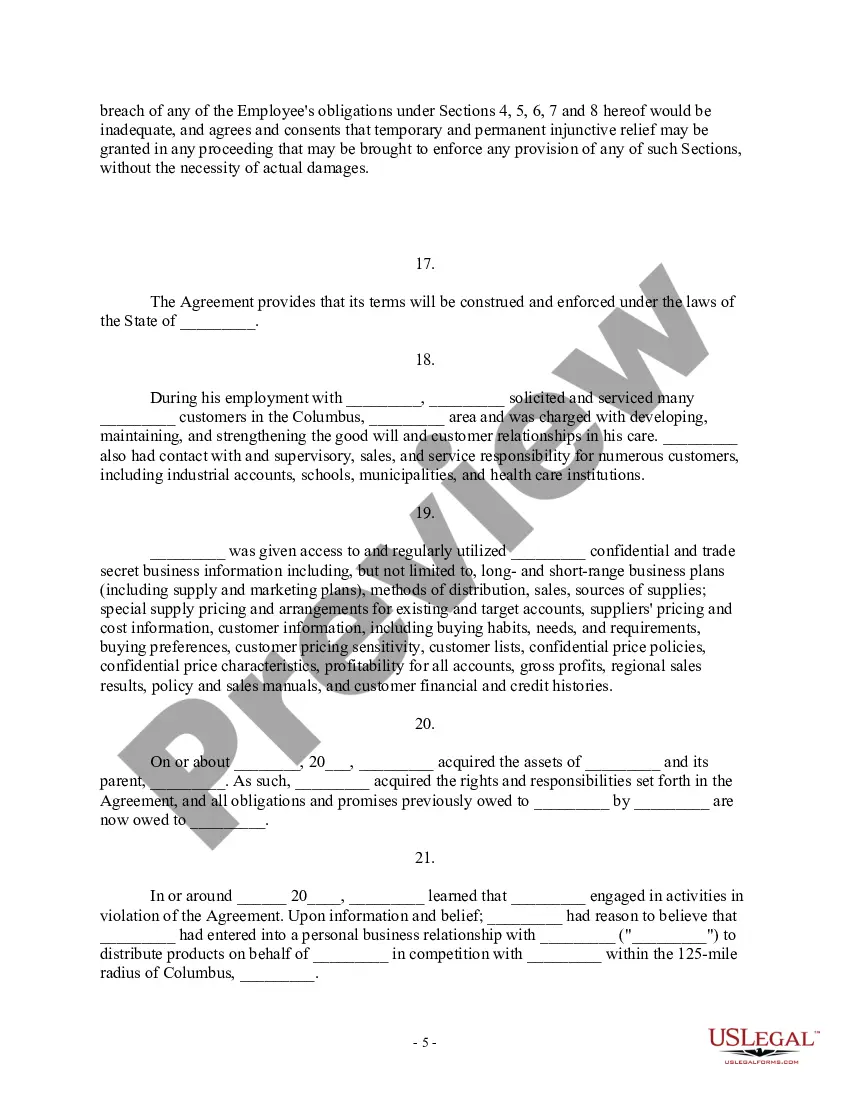
In many cases, a contract will include an injunctive relief clause stating that one or both parties are entitled to relief to prevent them from suffering harm due to a breach of contract.
Injunctive relief, also known as an “injunction,” is a legal remedy that may be sought from the courts to require a defendant to stop doing something (or requiring them to do something).
Under U.S. law, an individual seeking to enforce a foreign judgment, decree or order in this country must file suit before a competent court. The court will determine whether to recognize and enforce the foreign judgment.
The quickest and easiest is to follow the Uniform Enforcement of Judgments Act (“UEFJA”). 1 Under the UEFJA, all a creditor must do is file an authenticated copy of the judgment in a Texas court. The filing of the judgment both initiates the enforcement proceeding and creates a Texas judgment.
