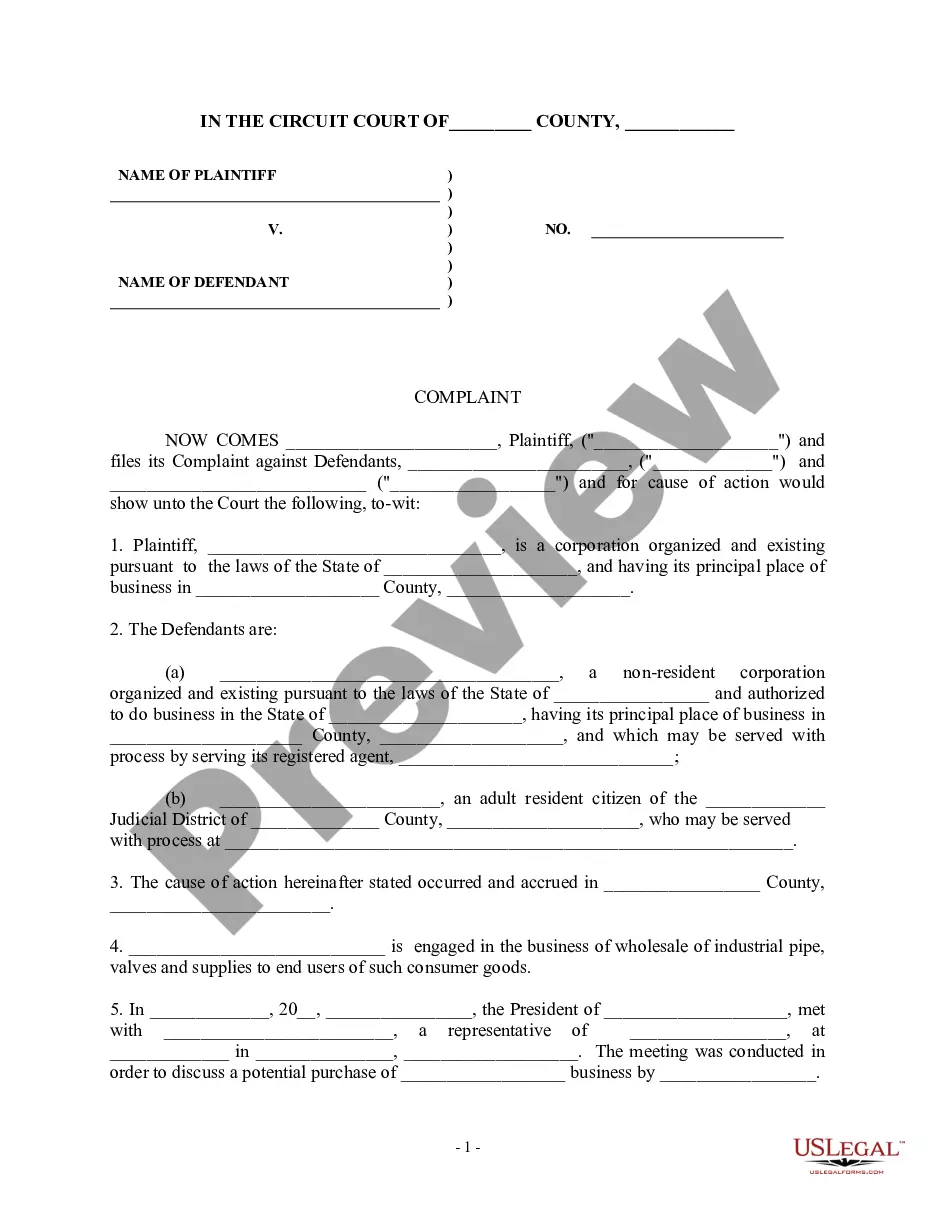
Complaint Relief Without Surgery In Michigan
Description












Get your form ready online
Our built-in tools help you complete, sign, share, and store your documents in one place.
Make edits, fill in missing information, and update formatting in US Legal Forms—just like you would in MS Word.
Download a copy, print it, send it by email, or mail it via USPS—whatever works best for your next step.
Sign and collect signatures with our SignNow integration. Send to multiple recipients, set reminders, and more. Go Premium to unlock E-Sign.
If this form requires notarization, complete it online through a secure video call—no need to meet a notary in person or wait for an appointment.
We protect your documents and personal data by following strict security and privacy standards.
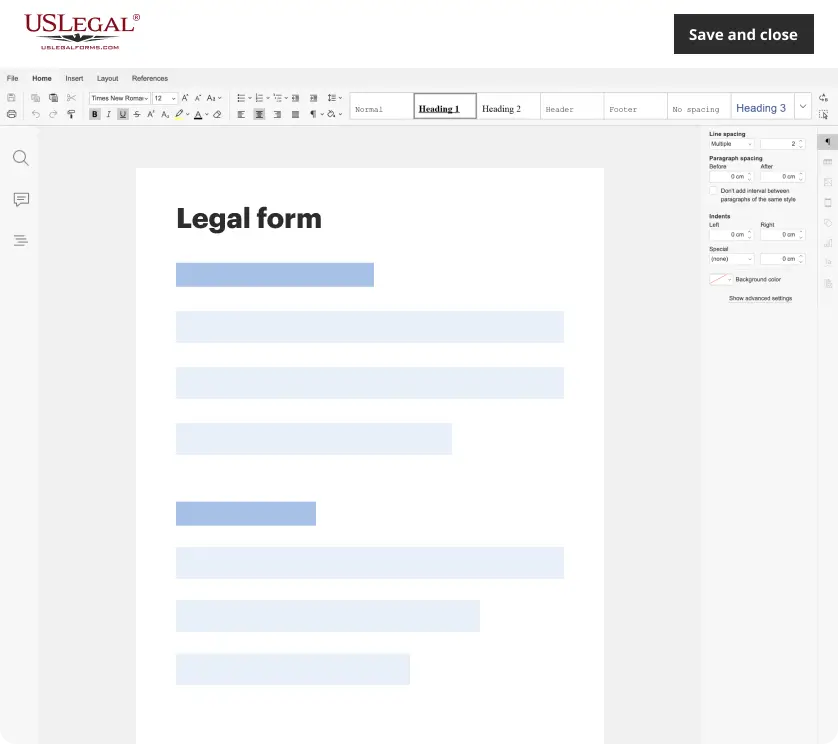
Make edits, fill in missing information, and update formatting in US Legal Forms—just like you would in MS Word.
Download a copy, print it, send it by email, or mail it via USPS—whatever works best for your next step.
Sign and collect signatures with our SignNow integration. Send to multiple recipients, set reminders, and more. Go Premium to unlock E-Sign.
If this form requires notarization, complete it online through a secure video call—no need to meet a notary in person or wait for an appointment.
We protect your documents and personal data by following strict security and privacy standards.
Looking for another form?

Form popularity
FAQ
Back pain, particularly pain in lower back, is arguably one of the most significant health problems in America. It is one of the most common complaints doctors hear, as well as a leading cause of inactivity in adults.
Here are the six most common patient complaints in healthcare: Long Wait Times. Insufficient Communication. Lack of Personal Attention. Billing Issues. Poor Follow-Ups. Unprofessional or Unfriendly Staff. Optimize Scheduling. Create a Communication Framework.
The Michigan Department of Licensing and Regulatory Affairs (LARA), originally the Department of Commerce among other names, is a principal department in the Michigan executive branch that oversees employment, professional licensing, construction, and commerce.
While Michigan law allows you to sue your doctor for medical malpractice, you and your medical malpractice lawyer must prove certain conditions and meet certain requirements. If you believe you were a victim of a doctor's negligence or recklessness, here's what you need to know.
To file a complaint against your doctor (for unprofessional conduct or incompetent practice), find your state medical board and follow the steps explained on the state medical board's website. State medical boards allow patients to file complaints either online, by email, phone or standard mail.
Request a hearing with the Michigan Office of Administrative Hearings & rules (MOAHR) for an Administrative Law Judge (ALJ) to determine the facts of the case and prepare a Proposal for Decision (PFD). The case would then go to the DSC for approval Page 3 or rejection of the ALJ's decision and for sanctions.
Grievance procedure steps The employee makes a formal, written complaint. Once the employee files the grievance, a formal investigation begins. The investigator writes a conclusion. A mediator can be called in. There are consequences. The employee can appeal. Follow-up after the final decision.
The person who will read it probably didn't cause the problem, but may be very helpful in resolving it. Give the basics. Tell your story. Explain how you want to resolve the problem. Describe your next steps. Send your complaint letter. Your Mailing Address Your City, State, Zip Code Your email address
In summary, the grievance process is mandated by a combination of state, federal, and local regulations to ensure that individuals' rights are protected and that complaints or grievances are addressed appropriately.
Step 1 – raise the issue informally with the employer. Step 2 – raise the issue formally with a grievance letter. Step 3 – grievance investigation should take place. Step 4 – a grievance hearing may be required to review the evidence and for a decision to be made.
