Injunctive Relief For Trademark In Ohio
Description

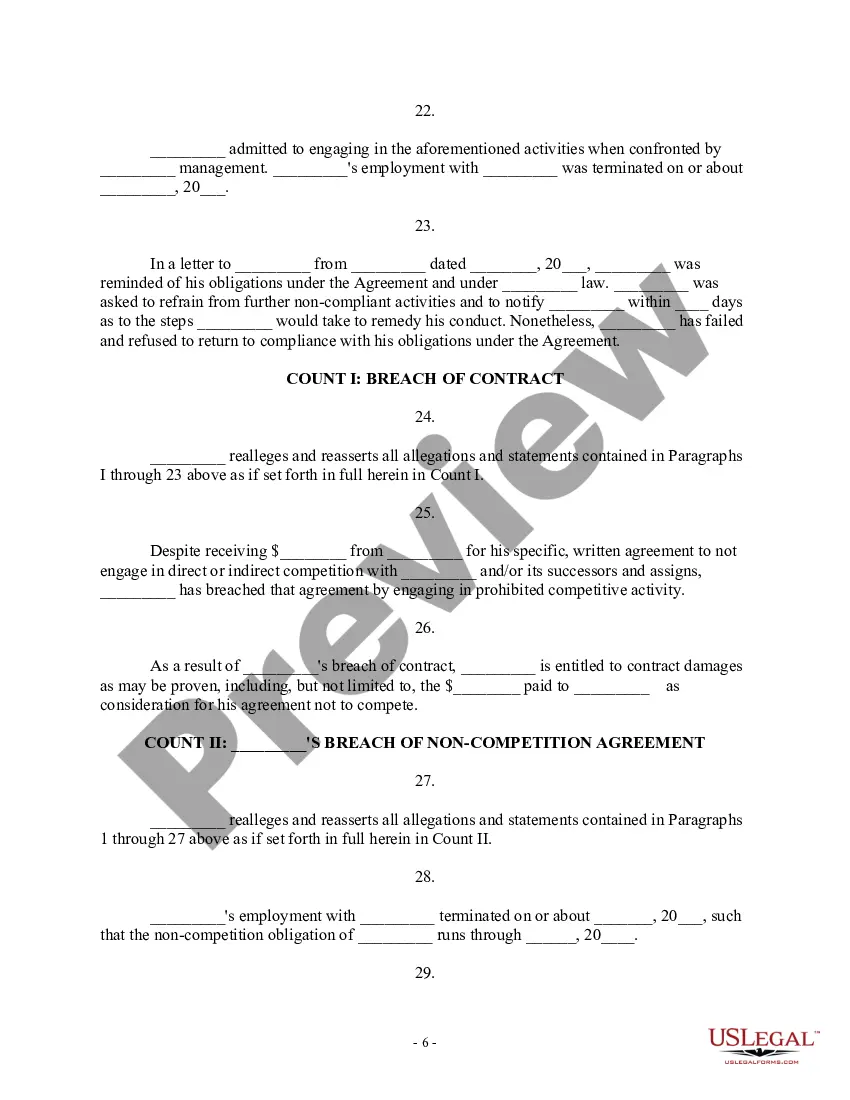
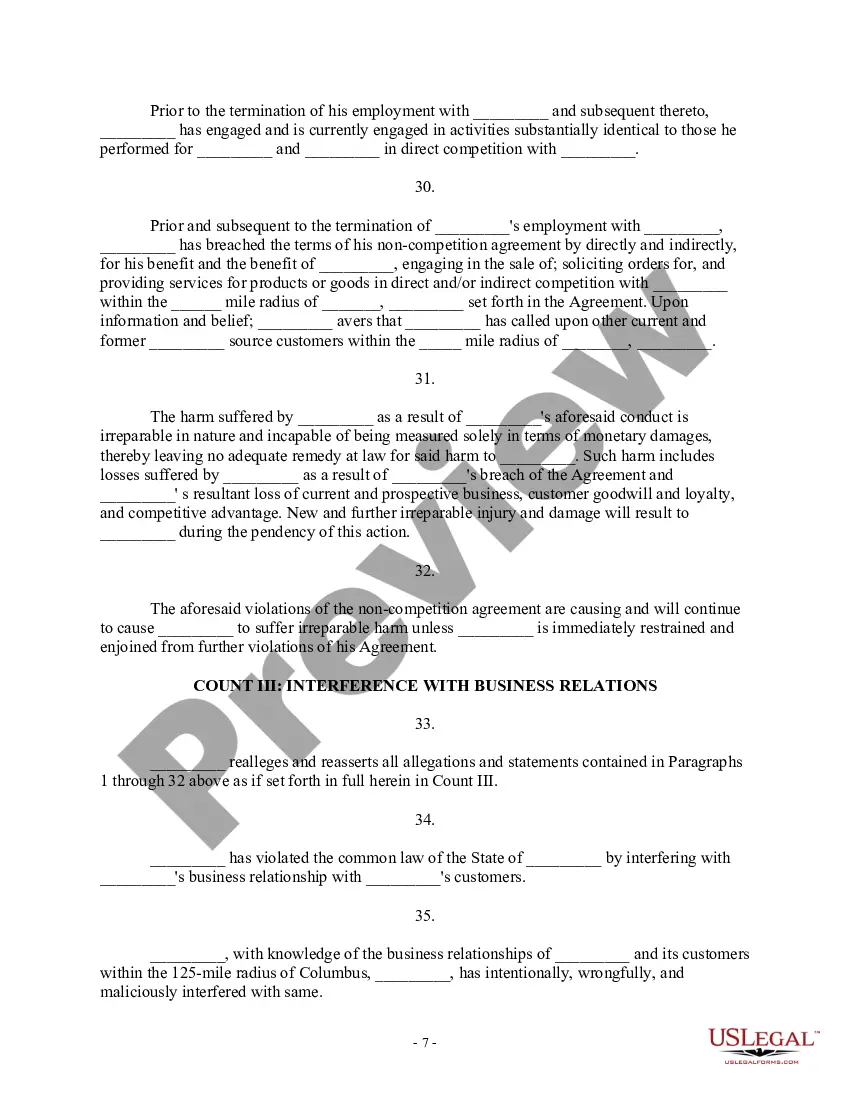
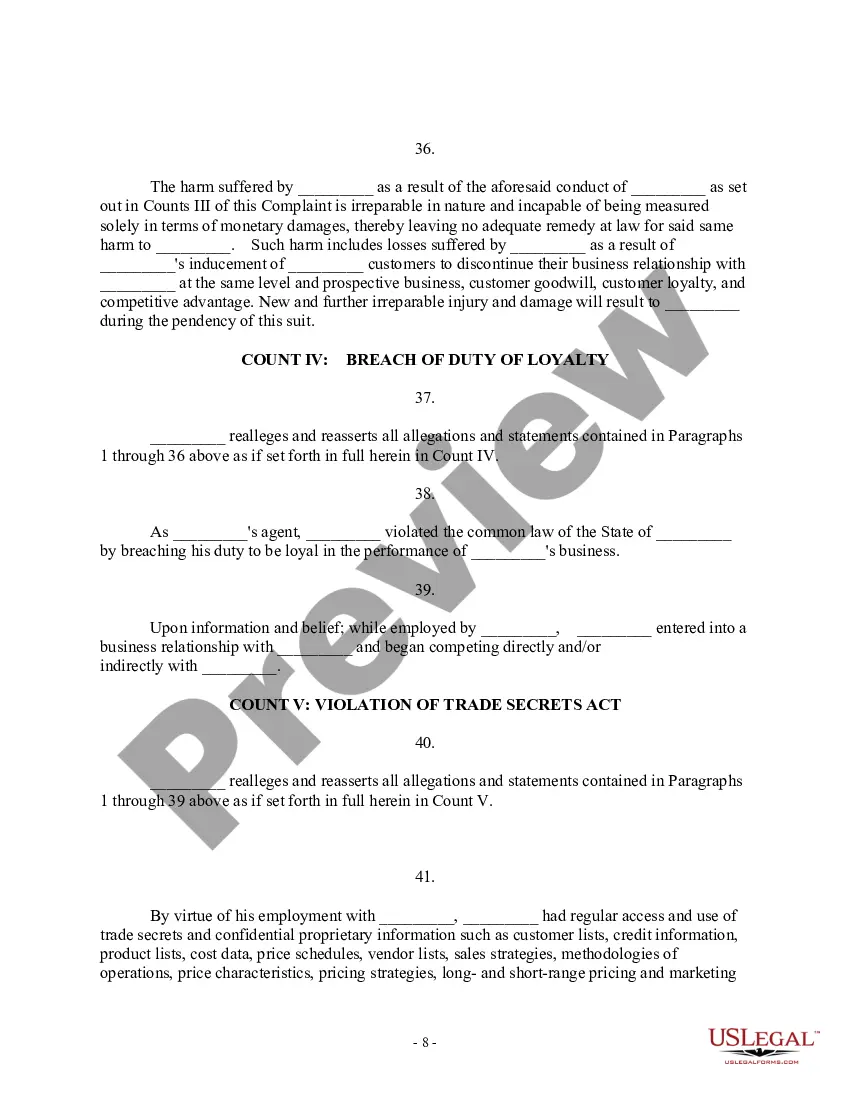
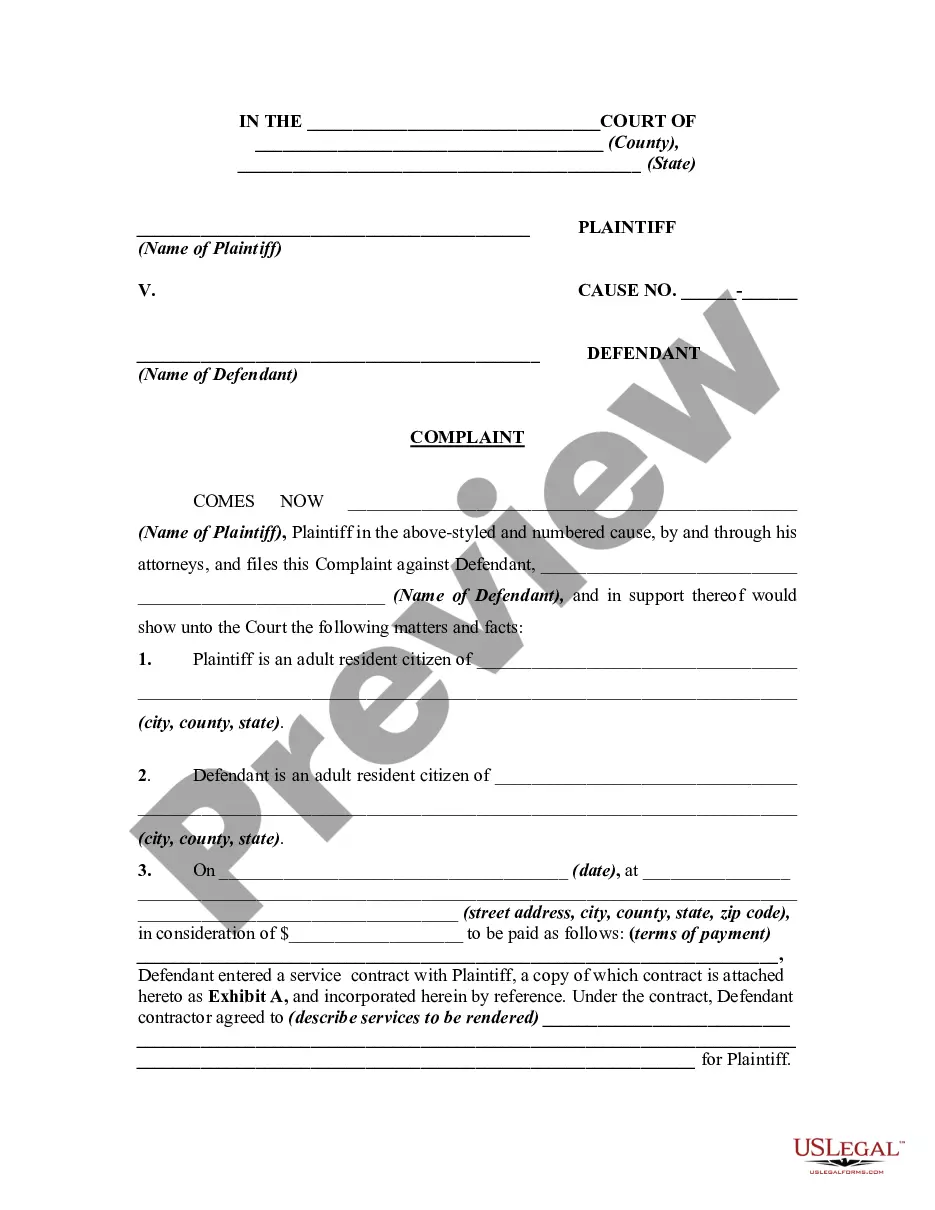
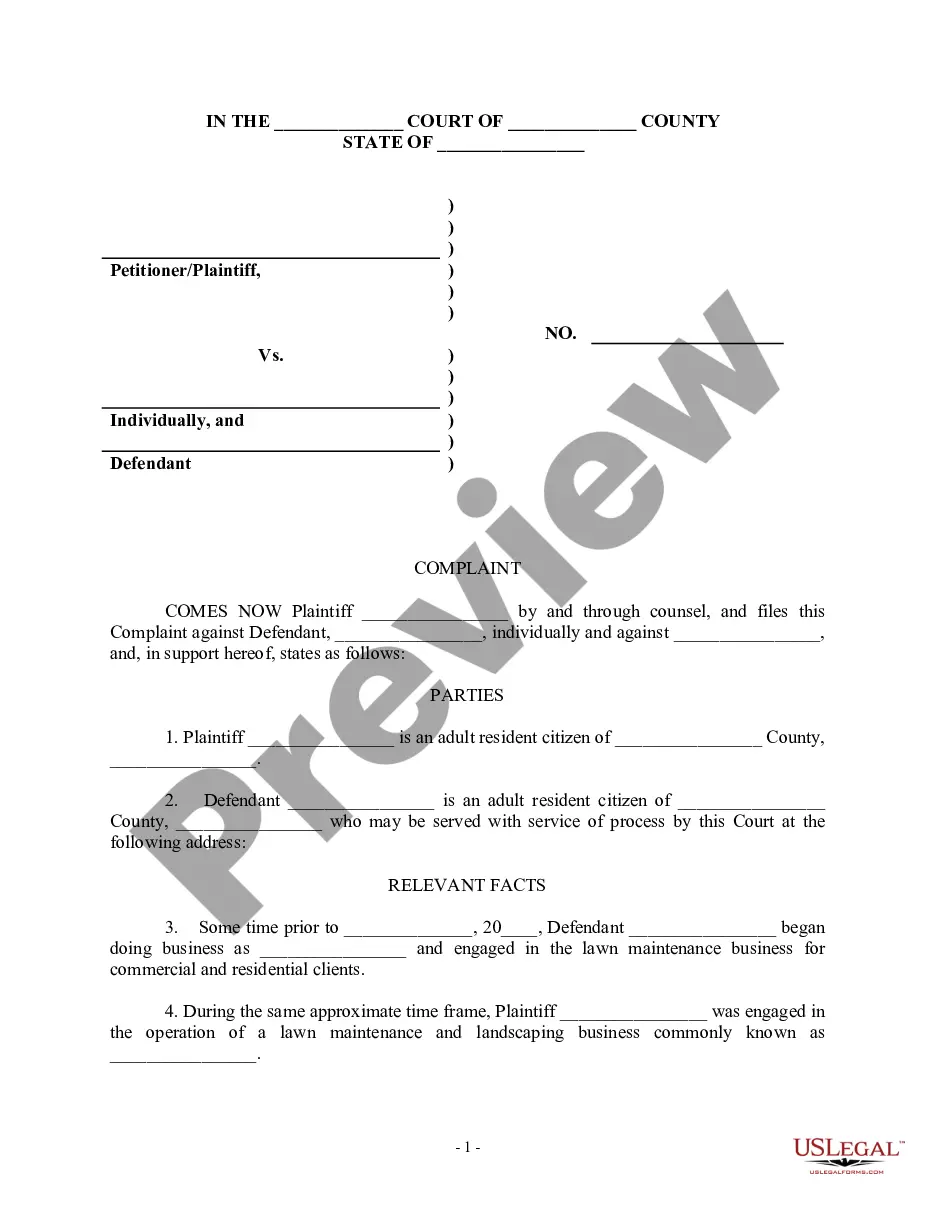
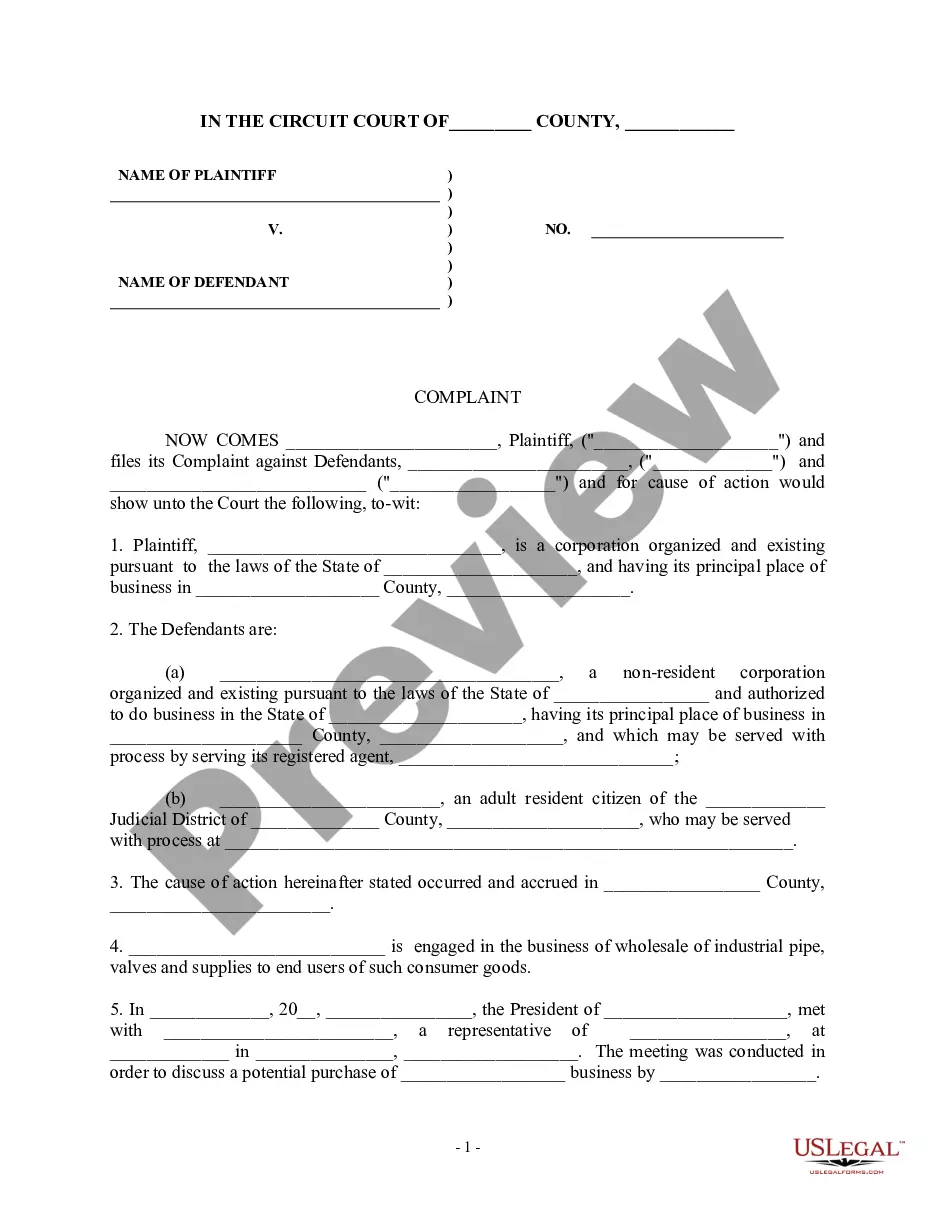

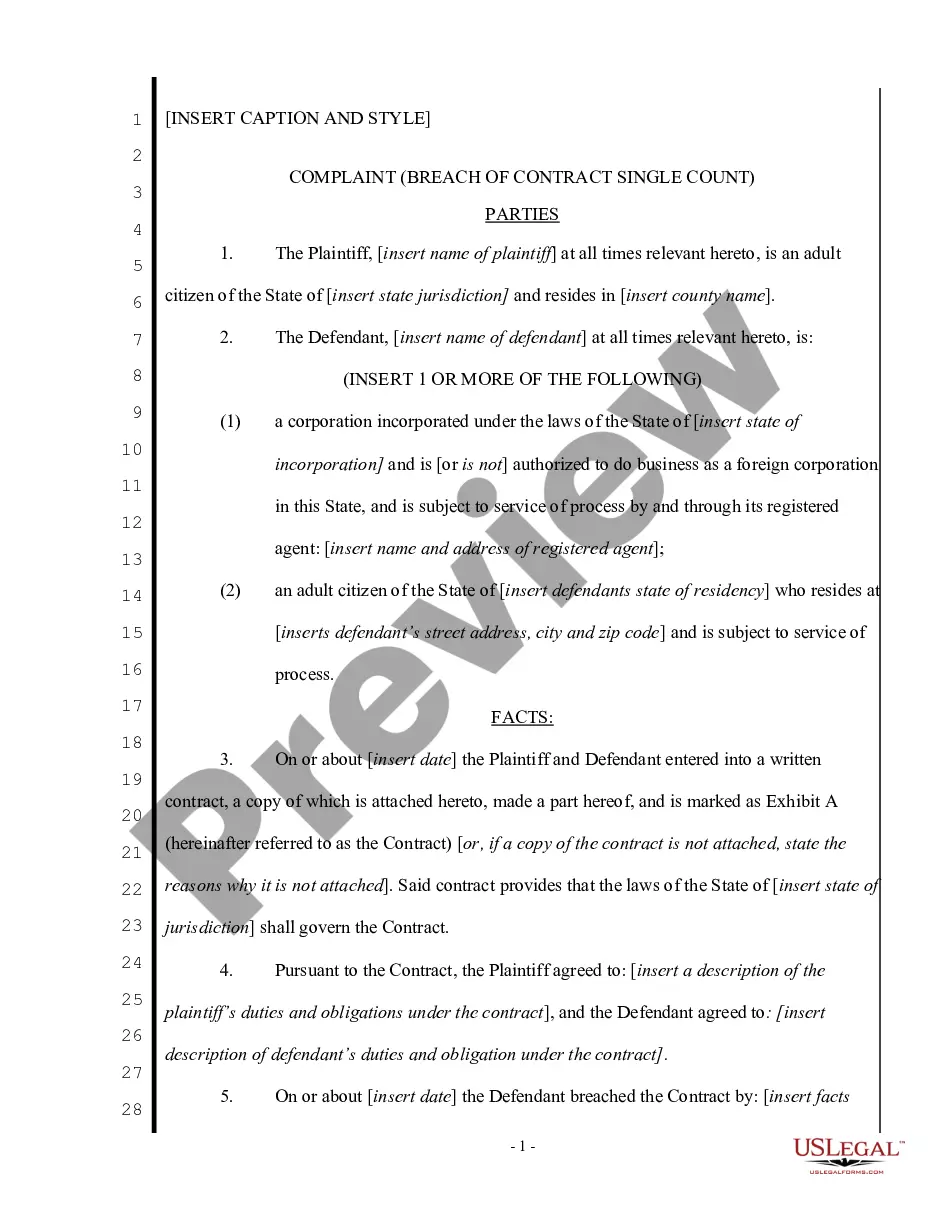
Get your form ready online
Our built-in tools help you complete, sign, share, and store your documents in one place.
Make edits, fill in missing information, and update formatting in US Legal Forms—just like you would in MS Word.
Download a copy, print it, send it by email, or mail it via USPS—whatever works best for your next step.
Sign and collect signatures with our SignNow integration. Send to multiple recipients, set reminders, and more. Go Premium to unlock E-Sign.
If this form requires notarization, complete it online through a secure video call—no need to meet a notary in person or wait for an appointment.
We protect your documents and personal data by following strict security and privacy standards.

Make edits, fill in missing information, and update formatting in US Legal Forms—just like you would in MS Word.

Download a copy, print it, send it by email, or mail it via USPS—whatever works best for your next step.

Sign and collect signatures with our SignNow integration. Send to multiple recipients, set reminders, and more. Go Premium to unlock E-Sign.

If this form requires notarization, complete it online through a secure video call—no need to meet a notary in person or wait for an appointment.

We protect your documents and personal data by following strict security and privacy standards.
Looking for another form?
Form popularity
FAQ
State trademark registration is relatively quick and inexpensive, while federal trademark registration is more complex and costs more. However, federal registration offers far more protection. Before you decide which is best for you, it's important to understand the differences.
In June, the United States Patent and Trademark Office granted Ohio State an unusual trademark: the word “The.” For those unfamiliar with Ohio State, the attempt to claim ownership of a definite article may seem absurd, but the word “The” holds a special place in the heart of Buckeyes everywhere.
A trademark is defined by Ohio Revised Code Section 1329.54(A) as “any word, name, symbol, device, or combination of any word, name, symbol, or device, that is adopted and used by a person to identify and distinguish the goods of that person, including a unique product, from the goods of other persons, and to indicate ...
The most common remedy for trademark infringement is injunctive relief. Injunctions are court orders commanding that the infringer immediately cease its unlawful activities. Injunctions address future conduct rather than past actions.
“Common law” trademark rights are acquired automatically when a business uses a name or logo in commerce, and are enforceable in state courts.
At the beginning of an action, or any time before judgment, an injunction may be granted by the supreme court or a judge thereof, the court of appeals or a judge thereof in his district, the court of common pleas or a judge thereof in his county, or the probate court, in causes pending therein, when it appears to the ...
Section 2727.11 | Enforcing an injunction or restraining order. An injunction or restraining order granted by a judge may be enforced as the act of the court, and disobedience thereof may be punished by the court, or by a judge who granted it in vacation, as a contempt.
Defences to a trademark infringement claim Use of own name or address; Use to indicate characteristics of goods or services; Use to indicate the intended purpose of goods or services; Honest concurrent use; and.
The most common defenses in trademark infringement, unfair competition and trademark dilution suits include descriptive fair use, nominative fair use, laches, unclean hands and trademark misuse, fraud in obtaining the registration, and application of the First Amendment.
